

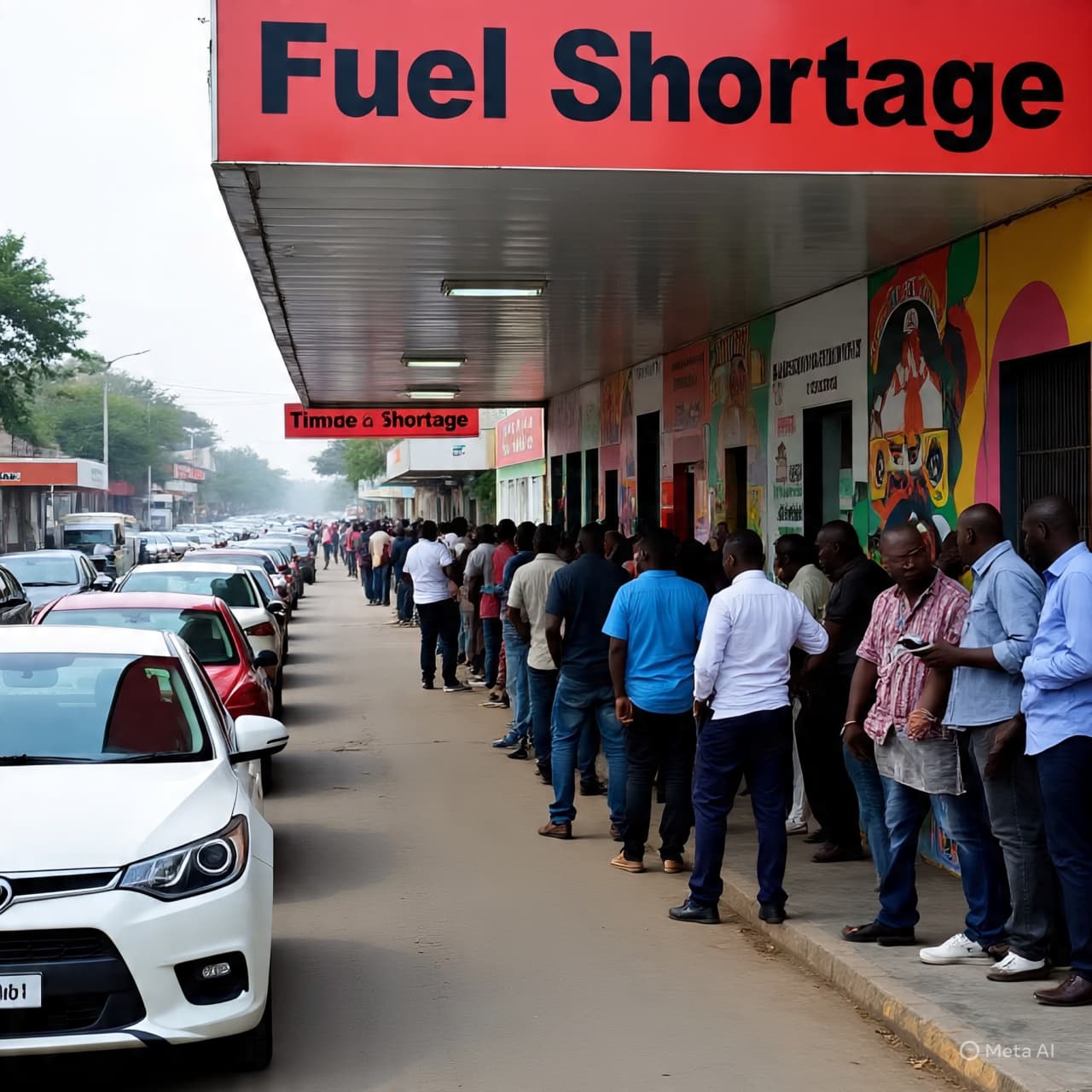
Key Highlights
- Ethiopia is facing a significant energy crisis due to fuel shortages.
- The country relies heavily on imported fuel, making it vulnerable to global market fluctuations.
- Government reforms are underway to address inefficiencies in fuel distribution and pricing.
Ethiopia is currently grappling with a multifaceted energy crisis that has emerged from a combination of global geopolitical tensions and internal governance challenges. The situation has escalated to what many are calling a 'perfect storm' of factors that are impacting the availability and pricing of fuel across the nation. As a landlocked country, Ethiopia's energy lifeline is heavily dependent on imports, particularly through strategic maritime routes that have recently been fraught with instability.
The geopolitical landscape plays a crucial role in this crisis. Key waterways, which are vital for global oil supply, have seen increased tensions that ripple outward, affecting fuel prices and availability in Ethiopia. The country’s reliance on these external sources means that any disruption in these routes can have immediate and profound effects on its economy and daily life. As fuel shortages become more pronounced, the implications are felt across various sectors, from transportation to industry, and even in the households of ordinary citizens.
However, the challenges Ethiopia faces are not solely the result of external pressures. Internal inefficiencies and governance issues have long plagued the nation’s fuel distribution systems. Allegations of corruption and mismanagement have complicated the implementation of policies intended to stabilize the market. Furthermore, government subsidies, while aimed at protecting consumers, have inadvertently led to increased demand and further strained public finances. This complex interplay of internal and external factors has created a precarious situation for the Ethiopian populace.
In light of these challenges, the Ethiopian government has initiated a series of reforms aimed at addressing the structural weaknesses within its energy sector. These reforms include adjustments to pricing mechanisms and efforts to enhance transparency in the supply chain. The government recognizes that building resilience against future crises requires a comprehensive approach that not only addresses immediate concerns but also lays the groundwork for long-term stability. However, the implementation of such reforms is often slow and fraught with challenges, particularly in a crisis context.
As Ethiopia navigates this turbulent period, the focus is shifting toward adaptation and diversification of energy sources. Strengthening infrastructure and refining regulatory frameworks are critical components of a broader strategy to reduce vulnerability to external shocks. While these measures may take time to yield results, they are essential for fostering a more sustainable energy landscape in the future.
The intersection of global events and local realities remains central to understanding Ethiopia's current energy crisis. As tensions in distant regions continue to affect resource flows, the government’s internal reforms aim to ensure that the resources that do arrive are managed effectively. This dual approach is crucial for addressing both the immediate impacts of the crisis and the underlying vulnerabilities that have contributed to it.
In the coming weeks and months, Ethiopia's strategy will likely continue to balance the urgency of stabilizing fuel supplies with the need for thoughtful reform. As the situation evolves, the outcomes of these efforts will be closely monitored, with the hope that they will lead to a more stable and resilient energy future for the country.
Published by Banx Network. This article is part of the Banx decentralized media programme, powered by the BXE token on the XRP Ledger.




