
Key Highlights
- Incident:A powerful explosion in central Beirut following an Israeli strike.
- Casualties:Reports indicate multiple Iranian nationals were killed in the blast.
- Context:The strike reflects escalating tensions between Israel and Iran, with implications for regional security.
On a typical evening, Beirut exudes a quiet elegance, with the Mediterranean breeze weaving through its vibrant streets. Cafés buzz with life, and the shimmering lights from waterfront hotels cast a serene glow over the city. However, the tranquility was shattered recently when a powerful explosion rocked the heart of Beirut, marking a significant escalation in the ongoing conflict between Israel and Iran.
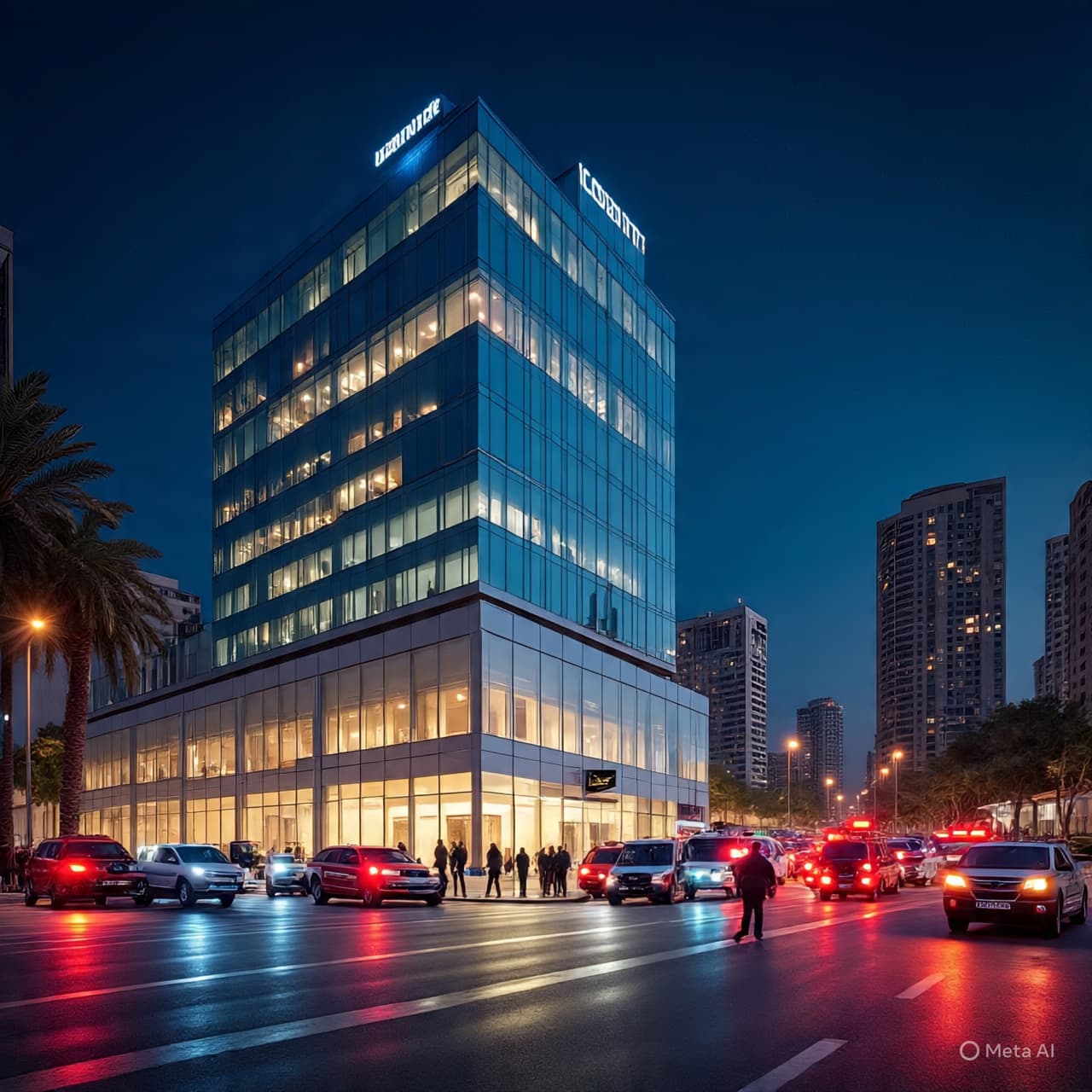
The explosion occurred after an Israeli strike targeted a luxury hotel in central Beirut, reportedly housing several Iranian nationals. Initial reports indicate that multiple casualties resulted from the blast, underscoring the gravity of the situation as the conflict that has long been fought at a distance now reaches into the very core of Lebanon’s capital.
This strike is believed to have been executed by forces linked to Israel, amidst a broader regional confrontation that has seen tensions rise significantly in recent months. While military engagements between Israel and Iran have typically unfolded through proxy forces or across borders, the targeting of individuals in Beirut suggests a dangerous expansion of the conflict's geographic scope.
In the immediate aftermath of the explosion, emergency services rushed to the scene, and security forces cordoned off the area to assess the damage and investigate the incident. The hotel, once a hub for travelers and business meetings, became a focal point for investigators trying to piece together the events that led to this tragic moment.
Beirut has a long history of conflict, having endured civil wars and regional confrontations that have occasionally spilled into its streets. Each violent incident adds another chapter to a complex narrative of resilience and adaptation. Despite the chaos, the city has shown an incredible ability to absorb shocks and return to a semblance of normalcy. Restaurants reopen, traffic resumes, and life continues beneath the same skyline that has witnessed both beauty and violence.
Analysts suggest that the presence of Iranian nationals at the hotel may indicate the intricate web of diplomatic and military ties that Iran maintains with its allies in the region. Beirut has increasingly become a strategic hub for political coordination among various actors, making it a focal point for intelligence and military operations.
As tensions between Israel and Iran escalate, the implications of such incidents become more pronounced. The strike in Beirut may signal a willingness to target individuals and interests beyond traditional battlefronts, raising concerns about the potential for further violence in the region.
Currently, information regarding the incident remains limited, with Lebanese authorities yet to provide a comprehensive casualty count. Officials have urged caution as investigations continue, emphasizing the need for accurate information before drawing conclusions.
As the night settled back into its usual rhythm, the sea continued its gentle caress against the shore, and the lights along Beirut’s waterfront remained steady. However, the recent explosion serves as a stark reminder of the shifting dynamics of conflict in the region, bringing the distant war closer to home for the residents of Beirut.
For now, the city stands vigilant, caught between the demands of ordinary life and the unpredictable forces that can arrive at its doorstep without warning.
Published by Banx Network. This article is part of the Banx decentralized media programme, powered by the BXE token on the XRP Ledger.



