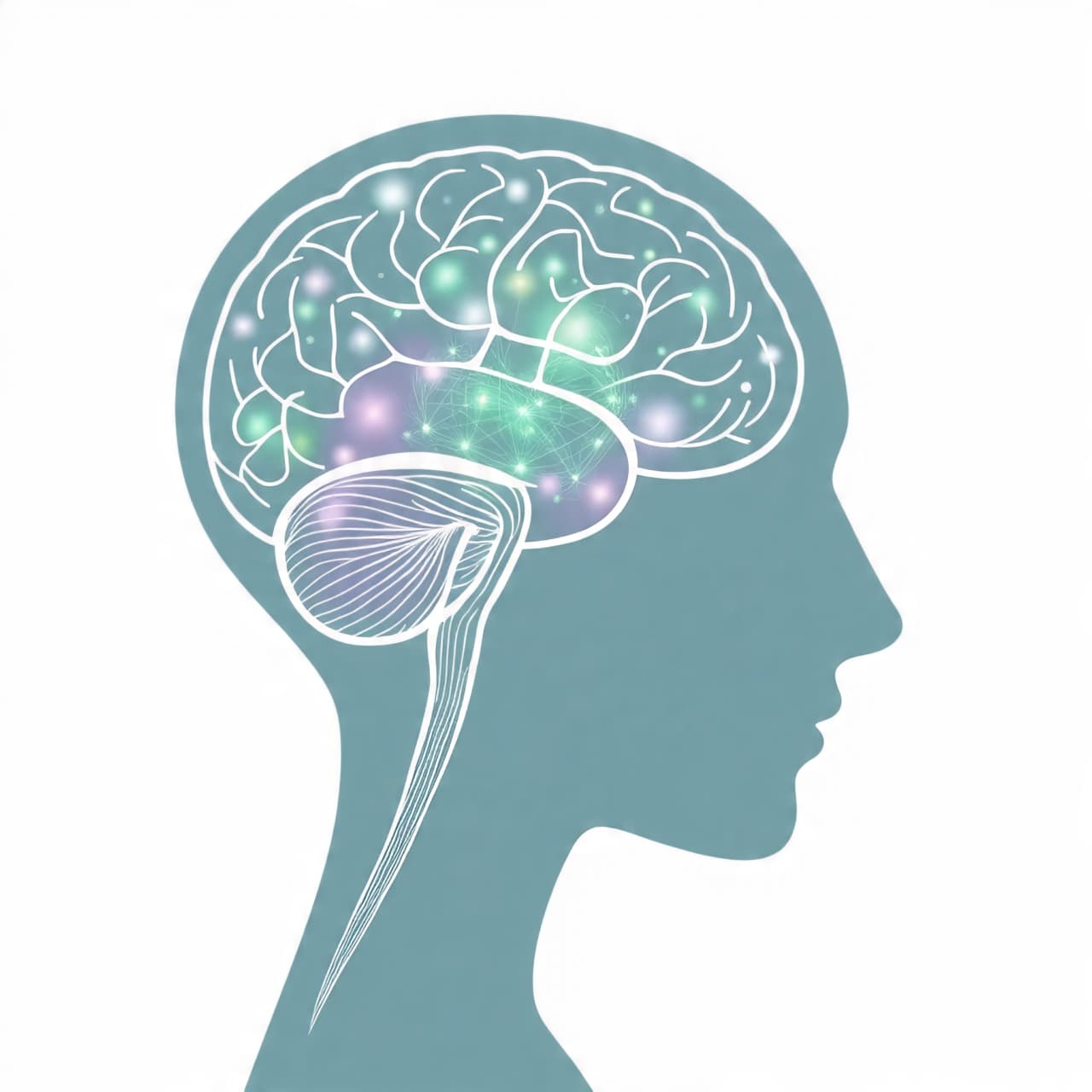
In the soft gray dawn of modern medicine, hope often walks on tentative feet — hesitant, careful, yet persistent. Now and then, science ventures a quiet bet on the unknown: a pill, a treatment, a possibility. Recently, that quiet bet was placed on a class of medicines known for treating diabetes and weight challenges — a class called GLP-1. The hope: maybe these medicines could do more — perhaps even stave off the fog of dementia years before it descends.
And yet, the first human trials aiming to test that hope fell short. Novo Nordisk announced that its late-stage studies of an oral version of a GLP-1 drug failed to slow cognitive decline in people with early Alzheimer’s disease. The result was a blow — a reminder of how elusive effective Alzheimer’s treatments remain.
Still, for many researchers the idea remains alive. Because behind the “failure” lies a subtle whisper of possibility: the trials did show some improvement in Alzheimer’s-related biomarkers. And because in observational studies of people with diabetes, those using GLP-1 medications — over long stretches — appeared to have a significantly lower risk of developing dementia.
Some scientists now argue that perhaps the timing was wrong. Instead of intervening after early symptoms, maybe GLP-1 drugs must be given much earlier — to those at risk but still cognitively unimpaired. And perhaps the unsung value of GLP-1 lies not in reversing damage already done to the brain, but in protecting healthy brain tissue from metabolic stress, inflammation, or vascular strain — underlying forces long suspected in Alzheimer’s pathology.
For people living with diabetes or obesity, GLP-1 drugs remain a trusted tool for managing metabolic distress — a benefit well established over decades. Now, scientists envision another frontier: a world where early preventive intervention might change the course of neurodegeneration before it ever begins.
The road ahead will demand humility and patience. More trials — starting earlier, lasting longer, carefully tracking biological markers and brain health — will be needed. Researchers advise against rushing to conclusions. But the line of inquiry persists, propelled by a mix of cautious optimism, scientific curiosity, and the unmet urgency of Alzheimer’s prevention.
No dramatic breakthroughs today. Just a quiet resolve to keep searching — and a reminder that in medicine, failure can sometimes reveal the direction forward.
AI Image Disclaimer Visuals are created with AI tools and are not real photographs, intended solely for conceptual illustration.
Sources: Reuters Scientific American NeurologyLive BioPharma Dive CNN
Published by Banx Network. This article is part of the Banx decentralized media programme, powered by the BXE token on the XRP Ledger.