In the vast stretch of water between Iran and the Arabian Peninsula, ships usually move in quiet procession. Tankers glide through the Strait of Hormuz, carrying the fuel that powers cities, airplanes, factories, and the ordinary rhythms of life across continents. For decades, the narrow channel has served as one of the world’s most vital arteries of energy.
But in moments of geopolitical tension, even a narrow passage can reshape the wider world.
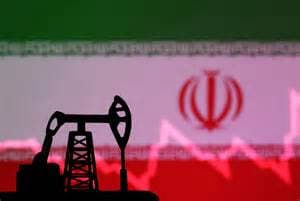
Over the past days, global markets have reacted sharply as the conflict involving Iran, the United States, and regional actors has intensified. Energy traders, watching the strategic waterway and the surrounding oil infrastructure, have driven crude prices sharply higher. Oil has surged past $110 per barrel, reaching levels not seen since the early months of the Ukraine war in 2022.
The rise has been swift. Brent and U.S. crude futures jumped sharply in recent trading sessions, fueled by fears that escalating attacks and shipping disruptions could severely constrain the flow of Middle Eastern oil. The Strait of Hormuz—through which roughly one-fifth of the world’s oil supply normally travels—has become a focal point of concern as tanker traffic slows and some producers reduce output.
Financial markets responded almost immediately.
U.S. stock futures tumbled as investors weighed the possibility that the conflict could widen and send energy costs sharply higher. Contracts tied to the Dow Jones Industrial Average fell by roughly 1,000 points, while futures for the S&P 500 and Nasdaq also declined, reflecting growing anxiety about inflation and economic disruption.
For investors, oil prices are rarely just about energy. When crude rises quickly, transportation costs increase, manufacturing becomes more expensive, and inflation expectations begin to climb. Economists warn that sustained energy shocks can ripple through supply chains, pushing up everything from airline tickets to groceries.
This time, the surge is tied closely to the evolving military situation.
Over the past week, U.S. and Israeli strikes have targeted Iranian facilities, including energy infrastructure, while Iran has responded with missile and drone attacks across parts of the Gulf. Damage to oil depots and industrial sites has raised fears of broader disruptions to the region’s energy network.
Amid the uncertainty, reports have also suggested that U.S. officials are considering additional military options. According to several accounts, planners have discussed the possibility of deploying special forces into Iran to secure near-weapons-grade uranium believed to be at risk of falling into hostile hands.
Such discussions have amplified market anxiety, because they hint at the possibility of a deeper and more prolonged conflict.
Energy markets have already begun to price in that risk. Some Middle Eastern producers have reduced output as storage facilities fill and exports slow, while insurance costs for tankers operating near the Gulf have risen sharply. With one of the world’s most important shipping corridors under strain, traders fear a scenario where global oil supply tightens suddenly.
The consequences could extend far beyond the energy sector.
Higher oil prices often translate into higher gasoline costs for consumers and greater expenses for businesses reliant on transportation and manufacturing. Analysts warn that if crude prices remain elevated, the global economy could face renewed inflationary pressure just as many countries were beginning to stabilize after earlier shocks.
For now, markets remain in a state of watchful tension.
Oil continues to trade above $110 per barrel, and stock futures suggest a volatile start for Wall Street. Governments in major economies are monitoring energy supplies and discussing possible responses, including the release of strategic reserves.
The coming days will likely determine whether the conflict remains contained or grows further.
Until then, the narrow waters of the Strait of Hormuz—and the fragile flow of oil passing through them—remain one of the world’s most closely watched passages.
AI Image Disclaimer: Visuals are AI-generated and serve as conceptual representations.
Sources
Reuters MarketWatch Fortune Associated Press CNN
Published by Banx Network. This article is part of the Banx decentralized media programme, powered by the BXE token on the XRP Ledger.