In the quiet fields where agriculture sustains communities, there is often a hidden drama unfolding beneath the leaves and stems of crops. Scientists, acting as detectives of the natural world, frequently venture into these green landscapes to track down pests that threaten food security. But sometimes, in their search for one known enemy, they stumble upon another, more unsettling presence that challenges our understanding of local ecosystems.
The discovery of an invasive species can feel like finding a stranger in a familiar room, disrupting the balance that farmers and ecologists have worked hard to maintain. This recent finding serves as a reminder that in an interconnected world, boundaries are porous, and nature’s surprises can arrive in packages both beautiful and destructive.
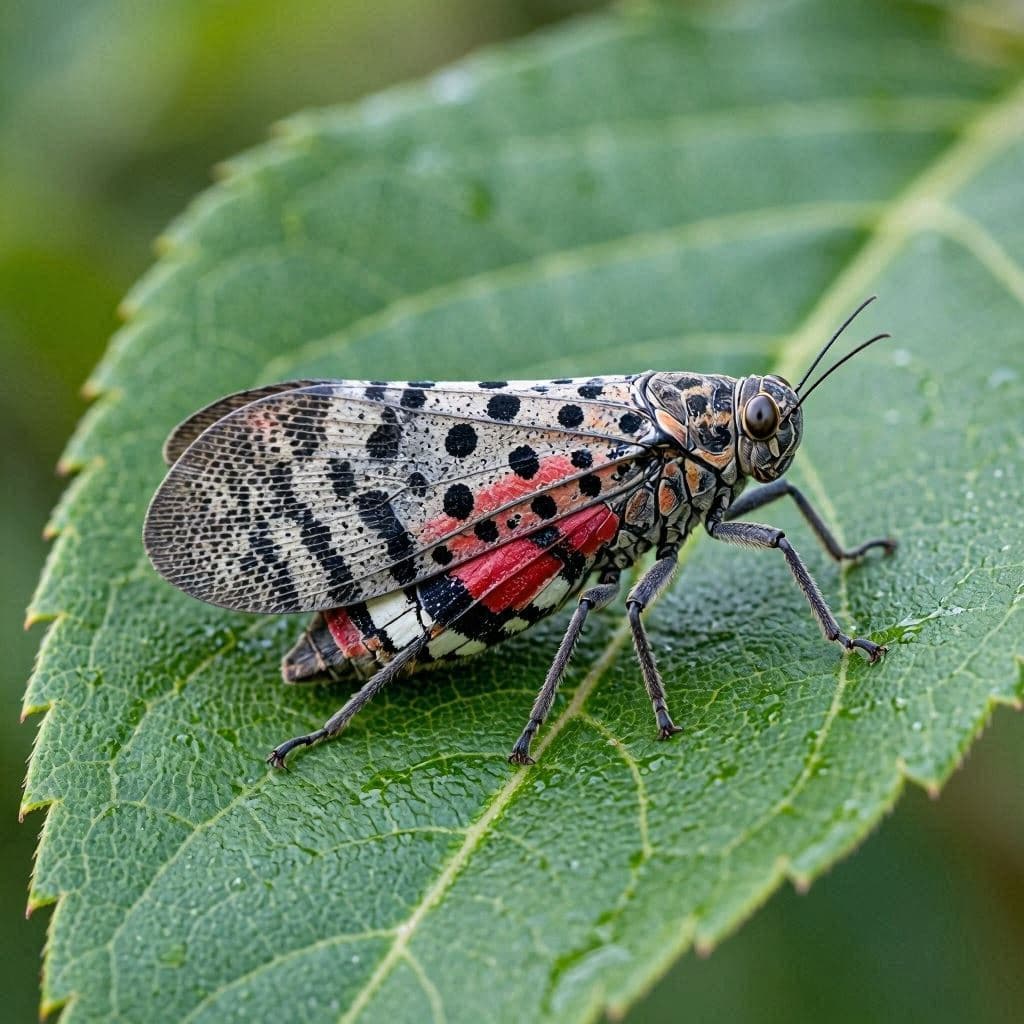
Body: Researchers investigating the spread of agricultural pests recently turned their attention to a new threat that has been quietly establishing itself in various regions. While initially looking for common crop-damaging insects, they identified the spotted lanternfly, an invasive species native to Asia that has been described by some as an "alien" nightmare due to its striking appearance and voracious appetite. The insect, with its spotted wings and colorful underwings, is visually captivating but ecologically disruptive.
The spotted lanternfly feeds on a wide variety of plants, including grapevines, fruit trees, and hardwoods, weakening them by sucking out sap and excreting a sticky substance called honeydew. This honeydew promotes the growth of mold, which can further damage plants and reduce crop yields. For farmers, particularly those in the viticulture and fruit industries, the presence of this pest represents a significant economic and environmental challenge.
First detected in the United States in Pennsylvania in 2014, the spotted lanternfly has since spread to multiple states, raising concerns among agricultural experts. Its ability to hitchhike on vehicles and cargo allows it to travel long distances, making containment difficult. The "alien" descriptor often used in media reports reflects the shock and unease felt by communities encountering this non-native species for the first time.
Scientists are now working to understand the full extent of the damage caused by the lanternfly and to develop effective management strategies. These efforts include studying the insect’s life cycle, identifying natural predators, and exploring biological control methods. The goal is to find sustainable solutions that protect crops without harming other beneficial insects or the broader environment.
Public awareness plays a crucial role in managing the spread of invasive species. Residents are encouraged to inspect their vehicles and outdoor equipment for egg masses, which look like smears of mud, and to report sightings to local authorities. Community involvement helps create a network of vigilance that can slow the advance of the pest and support scientific efforts.
The discovery also highlights the importance of biosecurity measures in global trade and travel. As goods move across borders, so too do potential invaders, making it essential to have robust inspection and quarantine protocols. The spotted lanternfly’s journey is a case study in the complexities of modern ecology and the need for international cooperation in protecting agricultural health.
Closing: As researchers continue their work, the focus remains on balancing ecological integrity with agricultural productivity. The spotted lanternfly may be an unwelcome guest, but its presence offers an opportunity to strengthen our defenses and deepen our understanding of invasive species. Through careful study and community action, we can mitigate its impact and preserve the health of our lands.
AI Image Disclaimer: The images associated with this story are AI-generated visualizations intended to illustrate the narrative context and do not represent actual photographs of the specific scientific discovery or field sites.
Sources: USDA Animal and Plant Health Inspection Service Penn State Extension Entomology Today New York State Department of Environmental Conservation
Published by Banx Network. This article is part of the Banx decentralized media programme, powered by the BXE token on the XRP Ledger.