
Key Highlights
- Incident:A water leak at the Louvre damaged 300-400 scholarly works.
- Cause:The leak originated from an obsolete heating and ventilation system.
- Impact:The incident highlights ongoing infrastructure neglect at the museum.
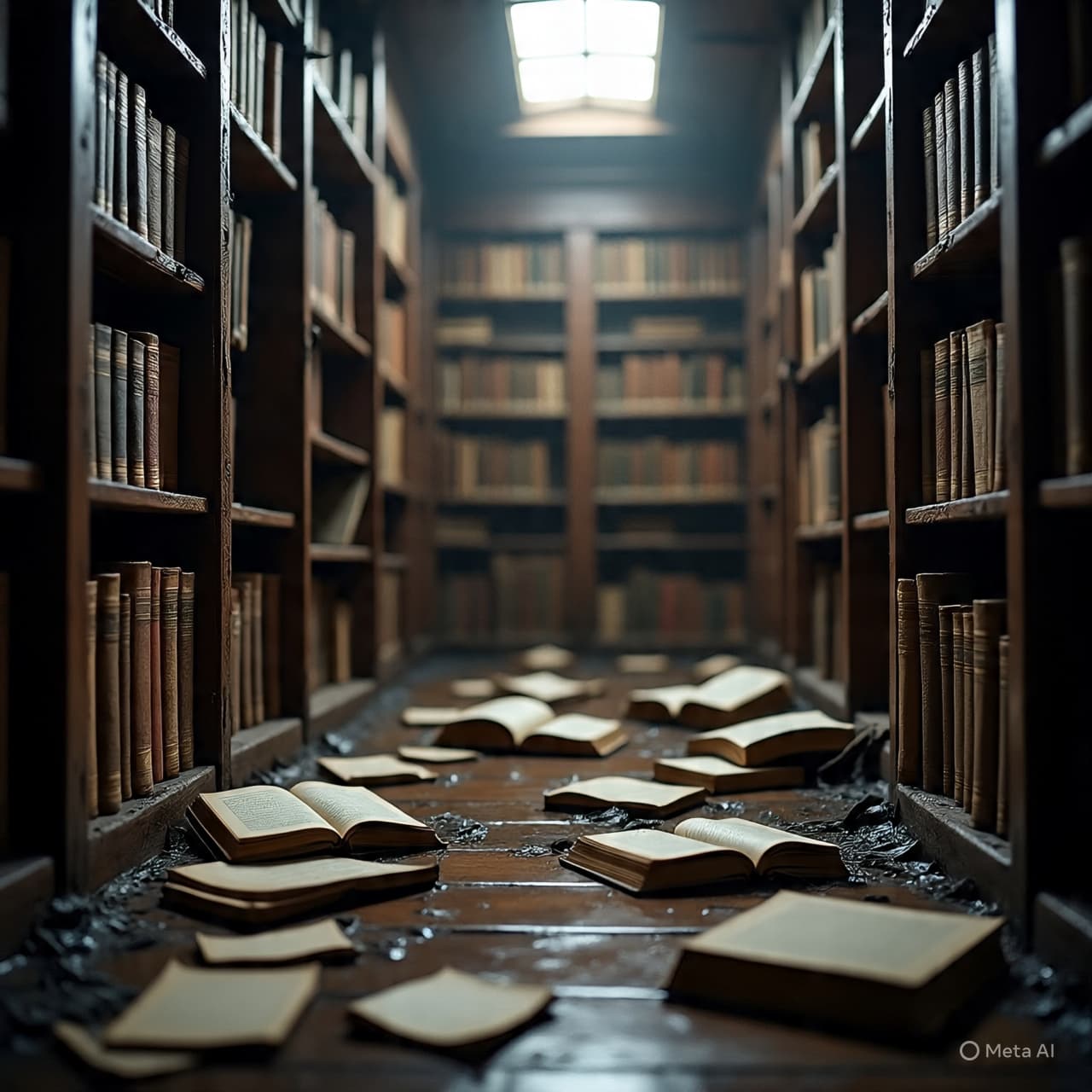
The Louvre, a beacon of art and culture, recently faced an unexpected challenge that has raised alarms about its infrastructure. Last month, a significant water leak in the library of the Egyptian antiquities department resulted in damage to between 300 and 400 scholarly works, primarily Egyptology journals and scientific documents. This incident has sparked concerns not only about the preservation of these materials but also about the overall state of the museum's facilities.
According to museum officials, the leak was traced back to a faulty valve within the heating and ventilation system, which has been described as outdated and in dire need of repair. Staff members had reportedly voiced concerns about the deteriorating condition of the pipes for months, but efforts to secure funding for necessary repairs had not materialized. This situation underscores a troubling trend of neglect that has been creeping into the museum's operations.
The Louvre is not unfamiliar with crises. Just weeks prior to the leak, the museum was the site of a dramatic jewel heist that captured international headlines. This robbery not only highlighted security vulnerabilities but also served as a stark reminder of the museum's need to address its infrastructural weaknesses. The recent leak compounds these issues, revealing that the museum's physical integrity is as crucial as the security of its priceless artifacts.
In response to the water damage, museum leaders have committed to restoring the affected materials. The soaked books will undergo a drying process, followed by rebinding and restoration efforts. However, this incident raises broader questions about the balance between public presentation and the necessary upkeep of the museum's facilities. As the most-visited museum in Paris, the Louvre must ensure that its infrastructure can support the treasures it houses.
The implications of this leak extend beyond the immediate damage to research materials. It serves as a sobering reminder that the preservation of culture requires more than just curators and security personnel; it necessitates a commitment to maintaining the very buildings that house these cultural treasures. Without adequate attention to infrastructure, the risk of future incidents looms large.
While the Louvre's iconic masterworks remain unharmed, the damage to scholarly resources and the acknowledgment of long-standing neglect send a clear message: safeguarding cultural heritage is a multifaceted endeavor. As the museum moves forward, it must prioritize not only the display of its treasures but also the integrity of the environment in which they are kept.
Visitors may eventually forget the specifics of the recent heist or the volumes lost to water damage, but if the museum's foundations remain fragile, the threat of recurrence will persist. The Louvre stands at a crossroads, needing to address these vulnerabilities to ensure its legacy endures for future generations.
Published by Banx Network. This article is part of the Banx decentralized media programme, powered by the BXE token on the XRP Ledger.



