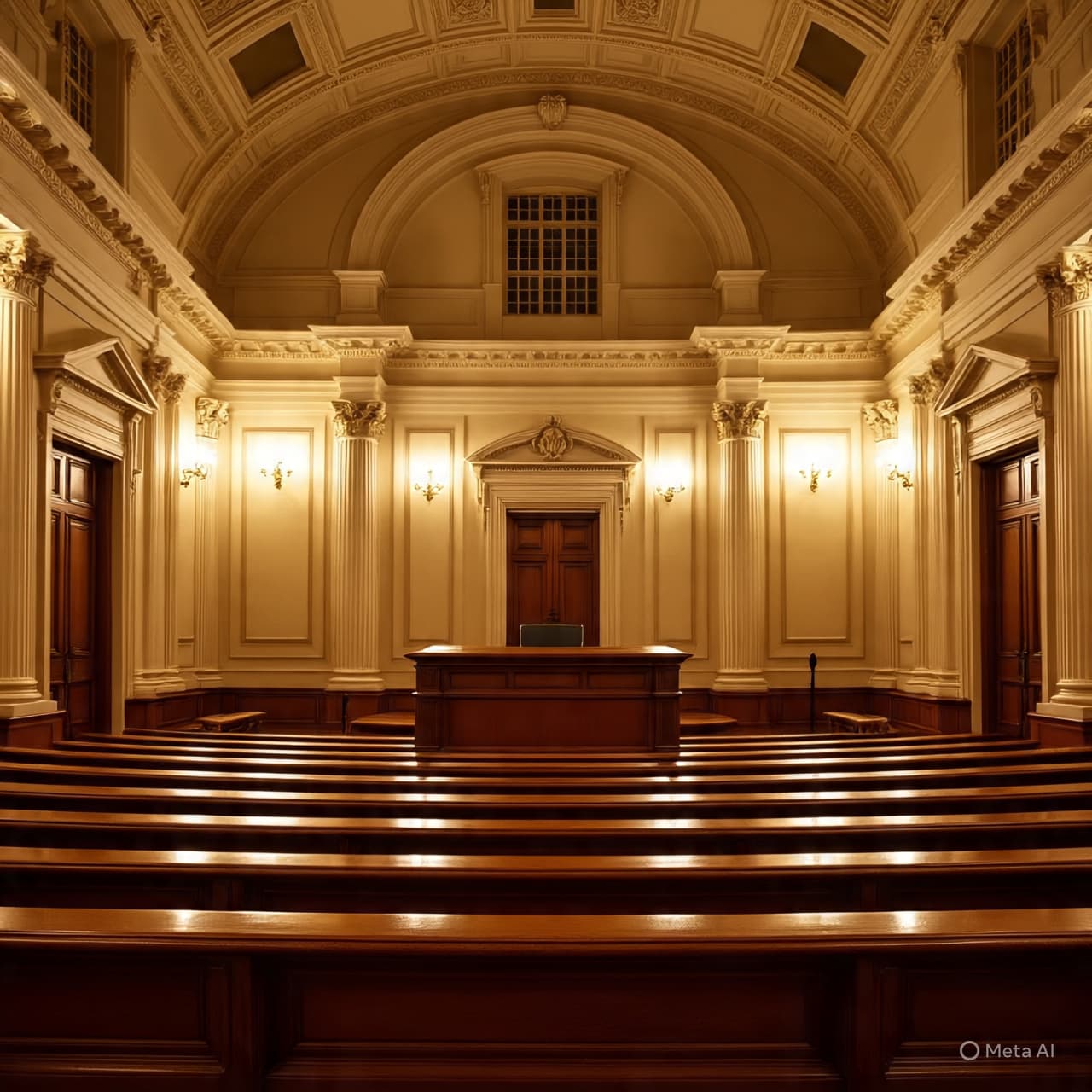
In the softened light of Westminster’s winter afternoon, the House of Commons carried a tone unlike those of decades past. Its benches, worn by time and debate, have long echoed with language tempered by convention — yet in recent days, that decorum gave way to candor. For the first time in memory, members of Parliament spoke not around a royal’s name, but directly to it. Their words were not of ceremony, nor of praise, but of reckoning.
When Andrew Mountbatten-Windsor’s conduct was raised during discussion of his tenure as a trade envoy, it did not pass in the careful euphemisms once expected in such chambers. Ministers described arrogance, entitlement, and rudeness — terms that, in earlier years, would have been unthinkable within the green walls of the Commons. The statements were measured yet unmistakable, reflecting not rebellion but the slow erosion of a centuries-old restraint: the unspoken rule that the royal family remained above ordinary reproach.
It is difficult to mark the precise moment when tradition gives way to change. Perhaps it began when public trust demanded transparency over deference, when scrutiny became the new form of respect. Or perhaps it came more quietly — through generations of lawmakers who learned that service to the Crown no longer meant silence about those who share its name.
The language that once shielded the royal institution now bends toward openness. What was once taboo — to question, to criticize, to hold accountable — has become, in small degrees, permissible. This is not defiance, but evolution: a recognition that modern democracy cannot sustain unexamined privilege.
In many ways, Parliament’s words about Andrew were less about the man himself than about the shifting culture of governance. His story — of privilege, fall, and scrutiny — provided the context through which MPs articulated something broader: that public office, whether royal or common, must answer to public trust. The applause was absent; instead, there was the steady murmur of acknowledgment that a new tone had entered the record.
The debate did not dismantle the monarchy nor displace its ceremonial dignity. It simply marked a departure from the quiet reflex of deference — a moment when lawmakers chose truth over tradition, speech over silence. In the corridors of Westminster, where portraits of kings and queens look down upon centuries of debate, the air felt subtly changed.
For the monarchy, this may signify neither crisis nor collapse, but adaptation. For Parliament, it is a reaffirmation of its oldest purpose — to speak plainly when the times require it, even when the subject wears a crown.
AI Image Disclaimer
Visuals are AI-generated and serve as conceptual representations.
Sources (Media Names Only)
The Guardian BBC News The Independent Associated Press Reuters
Published by Banx Network. This article is part of the Banx decentralized media programme, powered by the BXE token on the XRP Ledger.