
Key Highlights
- Cosmic Fireball:A brilliant fireball was observed streaking across the night sky, providing valuable data for scientists.
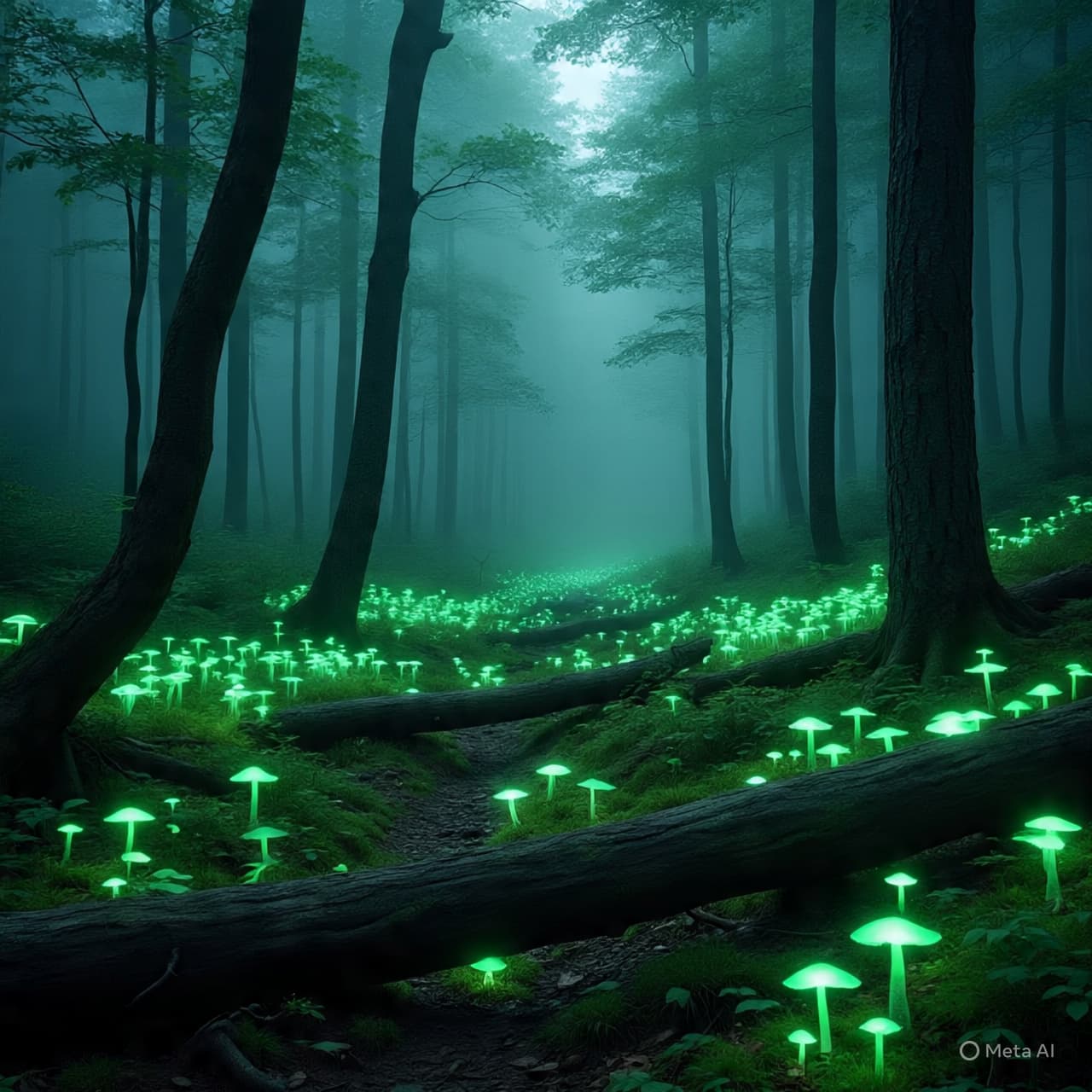
- Bioluminescent Fungi:Researchers document the glow of fungi in forests, revealing their ecological role.
- Climate Research:Advances in climate modeling improve forecasts for future weather patterns.
Recent weeks have brought a series of captivating scientific discoveries that highlight the ongoing exploration of our universe and the natural world. Among these, a stunning cosmic fireball captured the attention of skywatchers across various regions. This celestial event, caused by meteoroids entering Earth’s atmosphere, creates a brief but brilliant display as the objects burn up due to friction with the air. Such occurrences not only dazzle observers but also provide scientists with crucial data regarding the composition and trajectory of these space rocks.
The fireball phenomenon serves as a reminder of the dynamic nature of our solar system. Researchers utilize a network of cameras and instruments to track these meteoroids, gathering information that can lead to a better understanding of their origins and potential impacts on Earth. The fleeting spectacle of a fireball is more than just a visual treat; it is a gateway to deeper knowledge about the materials that traverse our cosmic neighborhood.
While the skies were alive with activity, the forest floors revealed their own hidden wonders. Scientists have been studying bioluminescent fungi, which emit a soft green glow in dark woodland areas. This natural phenomenon occurs when certain fungi produce light through a chemical reaction involving luciferin, a molecule that plays a crucial role in bioluminescence. The glow not only enchants those fortunate enough to witness it but also serves an ecological purpose, potentially attracting insects that help disperse the fungi's spores.
The subtle beauty of bioluminescent fungi contrasts sharply with the dramatic display of a cosmic fireball, yet both phenomena underscore the diversity of scientific inquiry. As researchers delve into the mysteries of life on Earth, they uncover intricate relationships within ecosystems that often go unnoticed. The glow of these fungi, while faint, contributes to the larger narrative of biodiversity and the interconnectedness of life.
In addition to these captivating discoveries, significant advancements are being made in climate science. Researchers are refining models that analyze atmospheric changes and ocean temperatures, which are critical for predicting future weather patterns. As climate change continues to pose challenges globally, these models will play an essential role in informing policy decisions and public awareness.
Moreover, the field of space exploration is witnessing steady progress as engineers test new technologies for missions beyond Earth. Innovations in spacecraft systems, navigation tools, and life-support mechanisms are paving the way for future journeys to the Moon and Mars. Each experiment and test represents a step forward in humanity's quest to explore the cosmos, showcasing the relentless pursuit of knowledge.
Together, these stories illustrate the multifaceted nature of scientific discovery. Whether it is the fleeting brilliance of a fireball or the quiet glow of fungi, each finding contributes to our understanding of the universe. Science is not a solitary endeavor; it is a collaborative effort that spans disciplines, revealing the wonders of the natural world and the cosmos.
As we continue to explore and learn, the mysteries of nature unfold in unexpected ways, reminding us of the beauty and complexity of the world around us. With each new discovery, science adds another piece to the intricate puzzle of existence, illuminating both the vastness of space and the delicate ecosystems that thrive on our planet.
Published by Banx Network. This article is part of the Banx decentralized media programme, powered by the BXE token on the XRP Ledger.



