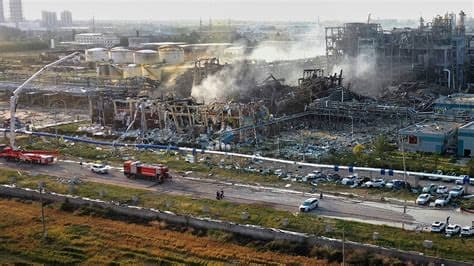
The dawn light over Madagascar’s eastern shores returns gently now, casting a thin glow across waters that still bear the color of silt and sorrow. Where once the rhythm of the ocean matched the pulse of daily life, it now carries the faint echo of devastation. Cyclone Gezani, a storm of immense force, swept through the island earlier this month, leaving behind landscapes both altered and still — homes undone by wind, roads drowned beneath mud, and families seeking new ground on which to begin again.
When Gezani made landfall near Toamasina, the winds tore through tin and timber alike, stripping rooftops from homes and uprooting trees from the red earth. Torrential rain followed, turning streams into sudden rivers that consumed fields and villages. In the days since, the toll has grown heavy: at least fifty-nine lives lost, fifteen more unaccounted for, and over sixteen thousand people forced to leave behind what little they possessed. Each figure represents a story now scattered across shelters, school halls, and the quiet corners of communities rebuilding from loss.
Across the eastern coast, the aftermath carries the scent of salt and damp wood. In the neighborhoods of Toamasina, where fishing boats now rest among debris, families pick through remnants — pieces of furniture, cooking pots, clothing soaked and drying in weak sunlight. Children play where the water has receded, their laughter a fragile defiance against the wreckage. Aid convoys arrive slowly, bearing food, medicine, and the promise of reconstruction, but the pace of help often feels slower than memory itself.
This storm arrived on the heels of another, Cyclone Fytia, which had already tested the country’s endurance. In quick succession, the two have reminded Madagascar of its precarious balance between beauty and exposure. Its geography — vast coasts, fertile plains, and river deltas — makes it both a sanctuary of life and a corridor for storms. Each year, the winds return; each year, the people brace, rebuild, and remain.
In the quieter western regions, where Gezani’s rains reached as distant echoes, prayers have been said for those along the coast. Communities that survived untouched still feel the weight of empathy and memory — for they know, as all islanders do, that no shore is forever spared. The rhythm of recovery now begins: clearing the roads, restoring electricity, returning children to classrooms once again. And in these small acts of order, hope begins to take its first steps.
As the sun lowers over the highlands, the light catches on the flooded fields, turning water into a mirror of the sky. The winds have passed, but their traces remain in the silence that follows. In Madagascar, as in many places shaped by the weather’s will, resilience is not a declaration but a rhythm — quiet, continuous, and enduring, even when the storm’s name fades into memory.
AI Image Disclaimer
Illustrations were created using AI tools and serve as conceptual representations.
Sources (Media Names Only)
Reuters Africanews Associated Press BBC Euronews
Published by Banx Network. This article is part of the Banx decentralized media programme, powered by the BXE token on the XRP Ledger.