On the far reaches of the North Atlantic, where the daylight in winter lingers like a slow breath across fjords and ice-rimmed coasts, Greenland sits in a space both remote and resonant. Its vast landscapes of ice and water have long drawn the contemplations of explorers and scholars, yet only recently have they drawn the focused gaze of European policymakers wrestling with the subtle reshaping of alliances and strategic interests.
The current moment has unsettled some of those old equilibriums. In capitals from Copenhagen to Brussels, diplomatic conversations have threaded through rooms, over screens, and across tables, carried by officials mindful of history and the currents of geopolitical influence. At the heart of those conversations lies a question that hovers not in dramatic pronouncements but in careful deliberation: how to respond to evolving proposals from Washington regarding Greenland, and what stance Europe should adopt as transatlantic relations adjust to new overtures and tensions.
The United States, under its current leadership, has articulated a framework that includes outreach to a range of global partners in matters related to peace, security, and reconstruction efforts in distant arenas. Within that broader initiative, Greenland has emerged as a focal point—its geography a strategic lever, its ties to Denmark a reminder of historical bonds that stretch back across decades of alliance. Some European voices, particularly in Denmark, have expressed unease at the notion that friendship among nations might be conditioned by pressure or leverage tied to matters of trade or strategic positioning.
Such sentiments were confirmed in recent statements from Nordic capitals, where leaders have affirmed a principled stance: longstanding alliances should not be tested by coercive economic measures, and the sovereignty of decision-making remains paramount. The phrase “Europe will not be blackmailed,” delivered by Denmark’s prime minister in firm but calm tones, captured something that resonated beyond the immediate moment—an insistence that Europe’s choices must spring from its own deliberation, rather than the calculus of external compulsion.
Brussels, for its part, has responded with its own blend of caution and resolve. Officials representing the European Union convened to discuss potential responses to the unfolding situation, mindful that any course of action carries implications for a wide array of relations, both within the alliance and in the wider world. Among the options considered were the possibility of coordinated economic measures, in line with the bloc’s legal mechanisms for addressing coercive trade actions, as well as reaffirmations of dialogue and consultation that emphasize common goals over transactional demands.
The questions before European leaders are not easily framed in singular answers. They unfold against a backdrop of shared security concerns, economic interdependence, and a desire to uphold norms of diplomacy that can withstand the pressure of contemporary challenges. They also underscore a reality familiar to policymakers in an interconnected era: that geography, history, and strategic interest often intersect in places far removed from the immediate corridors of power.
In the streets of European capitals, in parks where winter light plays across bare trees, the debates of diplomats are far removed from everyday life. Yet those debates ripple outward, shaping perceptions of alliance, influence, and the contours of a shared future. In straight news terms, European Union nations are currently evaluating possible retaliatory tariffs and diplomatic strategies in response to recent U.S. tariff threats tied to Greenland and wider strategic negotiations. Denmark’s leadership has stated that Europe “will not be blackmailed,” underscoring a collective stance against coercive economic measures. Discussions in Brussels continue as leaders weigh coordination and consultation with U.S. counterparts.
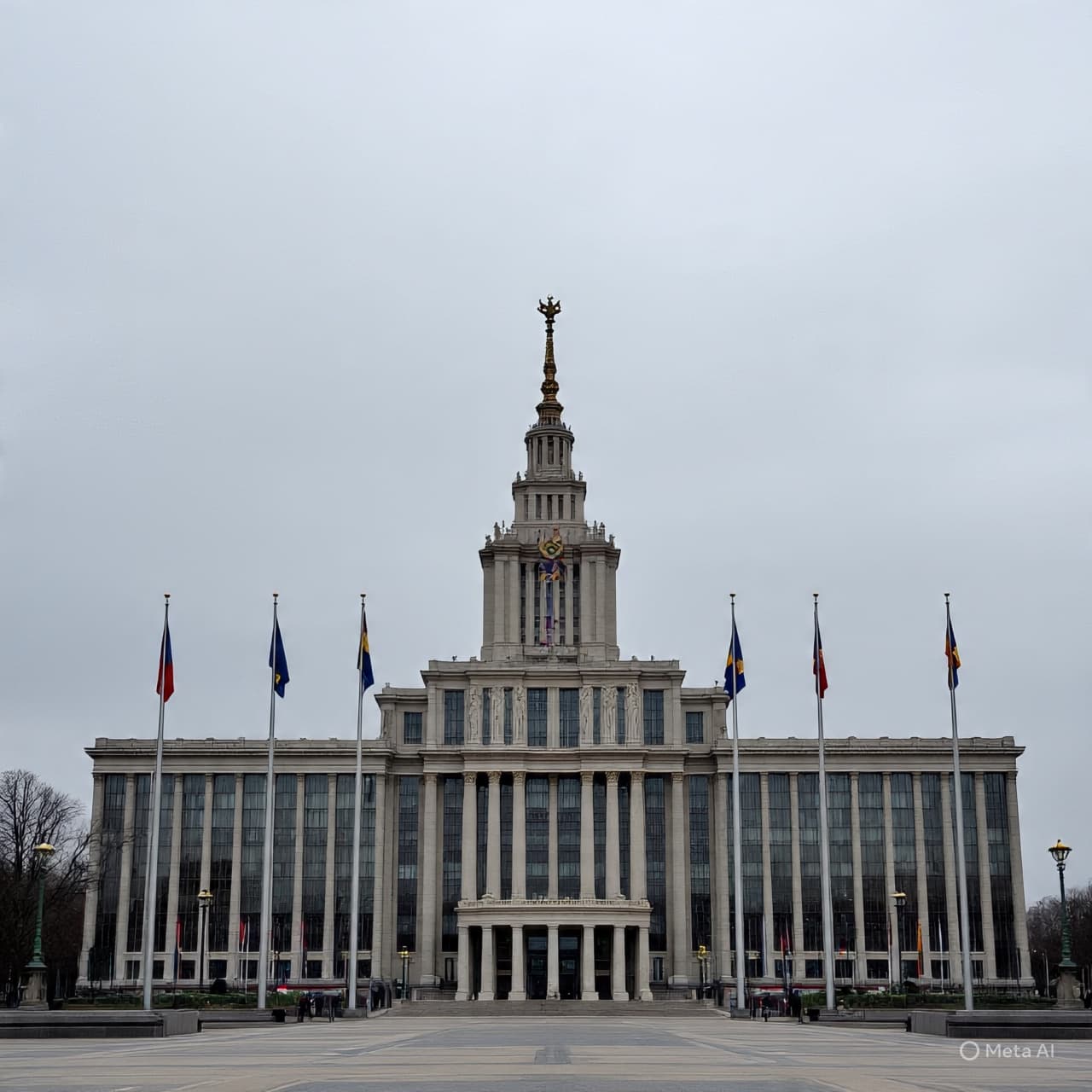
AI Image Disclaimer Illustrations are AI-generated and serve as conceptual representations.
Sources Reuters The Guardian Bloomberg Associated Press South China Morning Post
Published by Banx Network. This article is part of the Banx decentralized media programme, powered by the BXE token on the XRP Ledger.