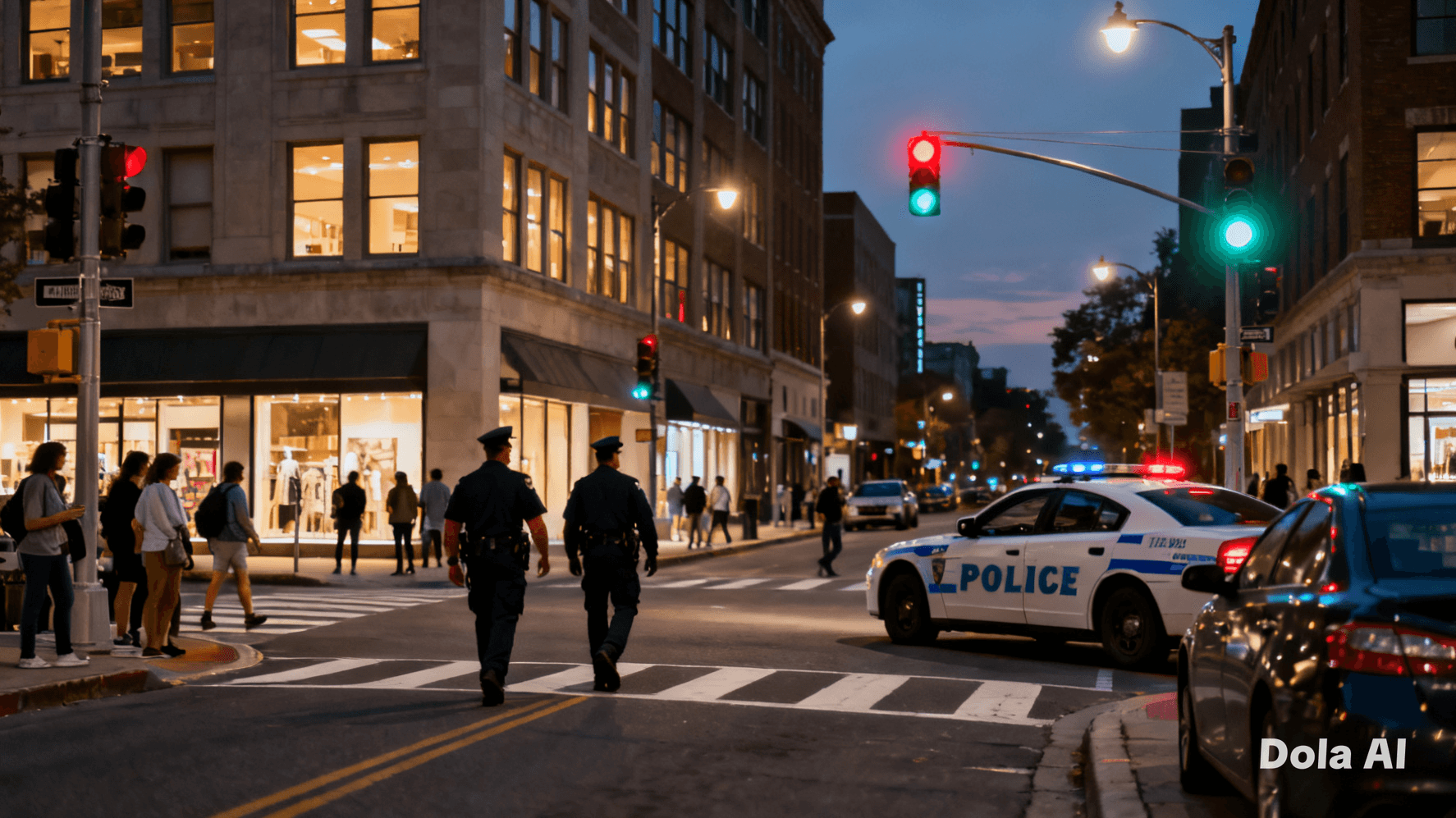
City centres are often the beating heart of urban life — spaces of movement, commerce, and social gathering. Yet alongside vitality, these areas can also experience concentrated pockets of criminal activity, where tensions flare and safety becomes a shared concern. In response, local authorities have announced the introduction of a dispersal zone aimed at reducing incidents in identified hotspots.
Dispersal zones, a tool provided for under UK law, allow police officers to direct individuals to leave certain areas for a specified period if their presence is deemed likely to contribute to crime or anti-social behaviour. The measure is intended to act preventively, creating a safer environment for the wider public while targeting locations repeatedly affected by offences.
Officials emphasise that the approach is not punitive in isolation. Its primary goal is to restore calm and protect residents, workers, and visitors. Officers may engage with individuals proactively, providing guidance and support alongside enforcement, with the intention of preventing escalation rather than seeking arrest.
City planners and community groups note that dispersal zones have been used successfully in other urban areas to reduce street-level crime and improve perceptions of safety. Their effectiveness often depends on clear communication, visible police presence, and engagement with local services such as housing, youth outreach, and mental health support.
The announcement comes amid concern over crime patterns in high-traffic areas, particularly evenings and weekends. Police reports suggest that certain intersections and pedestrian precincts experience repeated anti-social behaviour, including street disturbances, petty theft, and public order incidents. The dispersal zone aims to provide officers with the flexibility to respond swiftly and proportionately.
Public reaction has been mixed. Many local residents welcome increased attention to safety, noting that enhanced patrols and preventative measures may improve their experience of urban spaces. Others express caution, highlighting the need for transparency, safeguards, and proportionality to ensure that the powers are applied fairly and do not disproportionately affect particular groups.
Experts in criminal justice stress the importance of monitoring outcomes. Data on crime rates, arrests, and community feedback will help authorities evaluate whether the dispersal zone achieves its intended impact. Adjustments may follow based on practical experience and evolving community needs.
Policing strategies such as this also intersect with broader questions about urban design, social services, and community engagement. Addressing crime comprehensively involves not only enforcement but also creating spaces that encourage positive interaction, support for vulnerable populations, and timely intervention where risks are identified.
The dispersal zone is expected to come into effect in the coming weeks, with officers prepared to communicate clearly with the public and local businesses about its scope and purpose. Signage, outreach, and social media updates are planned to ensure that residents understand the objectives and boundaries of the measure.
As the initiative begins, the hope is that city streets will feel safer while remaining open, vibrant, and welcoming. The measure underscores the delicate balance authorities must maintain — protecting communities without unnecessarily restricting access, and fostering order without diminishing the pulse of urban life.
AI Image Disclaimer Visuals are created with AI tools and are not real photographs.
Sources : BBC News The Guardian Sky News The Independent The Telegraph
Published by Banx Network. This article is part of the Banx decentralized media programme, powered by the BXE token on the XRP Ledger.