In a statement that resonated across political and public spheres, Anthony Albanese expressed unflinching condemnation for Australian women who joined the Islamic State and now seek repatriation. Speaking to reporters, he said he held “nothing but contempt” for so-called ISIS brides attempting to return to Australia, emphasizing the moral and legal consequences of their past actions.
The comments follow ongoing debate about the repatriation of citizens who left Australia to join extremist groups in conflict zones such as Syria and Iraq. While some advocates argue for the safe return of women and children on humanitarian grounds, Albanese and government officials have framed the issue in terms of national security, accountability, and justice for those who participated in or supported acts of terror.
Authorities have previously noted that repatriation carries complex legal and security challenges, including potential prosecution under Australian law, monitoring of individuals with terrorist affiliations, and the risk of radicalization. Albanese’s remarks underscore a broader political stance prioritizing public safety over immediate repatriation, while acknowledging the difficulties faced by dependent children who may be caught in these circumstances.
The prime minister’s declaration also reflects a wider societal debate. Questions of citizenship revocation, due process, and the responsibilities of the state toward citizens abroad remain contested, with tensions between legal obligations and moral considerations. Critics of strict non-repatriation policies argue that leaving citizens in conflict zones may expose children to trauma and violate international obligations.
Experts in counterterrorism and international law note that Australia has taken a cautious approach, often repatriating minors and in some cases women under strict conditions, while prosecuting adults for terrorist offenses where evidence is sufficient. Albanese’s comments appear intended to clarify government policy and signal a firm stance against returning individuals perceived as having willingly joined extremist organizations.
In communities watching from afar, the statement is a reminder of the enduring consequences of foreign travel to conflict zones and the complex intersection of law, ethics, and security. For policymakers, balancing protection of citizens with adherence to human rights and international obligations continues to be a delicate endeavor.
Whether Albanese’s uncompromising tone will shape legal outcomes or influence future repatriation efforts remains to be seen. For now, his words mark a clear message: allegiance to extremist causes carries consequences, and the path back to Australia is neither simple nor assured.
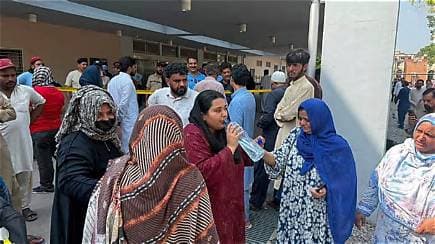
AI Image Disclaimer
Visuals are AI-generated and serve as conceptual representations.
Sources
ABC News The Guardian SBS News Reuters
Published by Banx Network. This article is part of the Banx decentralized media programme, powered by the BXE token on the XRP Ledger.