The universe is filled with invisible weight. For decades, astronomers have known that what we can see—stars, gas, and dust—accounts for only a fraction of the gravity holding galaxies together. The rest is dark matter, a mysterious substance that does not emit light but exerts a profound influence on cosmic structure. Now, advanced computer simulations are helping scientists refine their search, narrowing down the possible properties of this elusive component of reality.
These new simulations, developed by international teams of astrophysicists, model the formation of galaxies with unprecedented detail. By incorporating different theoretical models of dark matter particles, researchers can compare the simulated outcomes with actual observations of the Milky Way and other nearby galaxies. The goal is to identify which models produce structures that match the real universe, thereby ruling out those that do not.
One key focus is the distribution of dark matter within dwarf galaxies. These small, faint systems are thought to be dominated by dark matter, making them ideal laboratories for testing theories. The simulations suggest that if dark matter particles are "warm" rather than "cold," they would smooth out the central densities of these galaxies in a way that contradicts current observations. This points toward colder, slower-moving particles as the more likely candidates.
The computational power required for these models is immense. Supercomputers process billions of virtual particles, tracking their interactions over billions of years of simulated time. This allows scientists to observe how small-scale fluctuations in the early universe grow into the large-scale structures we see today. The precision of these models has improved significantly, allowing for more rigorous tests of particle physics theories.
The findings help bridge the gap between cosmology and particle physics. While astronomers observe the gravitational effects of dark matter, particle physicists attempt to detect it directly in underground laboratories. By narrowing the range of possible masses and interaction strengths, the simulations guide experimentalists on where to look, making the search more efficient and targeted.
However, uncertainties remain. The simulations rely on assumptions about baryonic physics—the behavior of normal matter—which can also affect galaxy formation. Feedback from supernovae and black holes, for example, can reshape galaxies in complex ways. Researchers are working to incorporate these factors more accurately to ensure that the constraints on dark matter are robust.
Despite the challenges, the progress is encouraging. Each simulation that fails to match observations brings scientists closer to the truth. The process of elimination is a powerful tool in science, and in the case of dark matter, it is slowly stripping away the possibilities until only the most viable theories remain.
The results have been published in leading astrophysical journals, prompting further refinement of both simulations and observational strategies. As computational capabilities grow, the hope is that the nature of dark matter will soon move from speculation to identification.
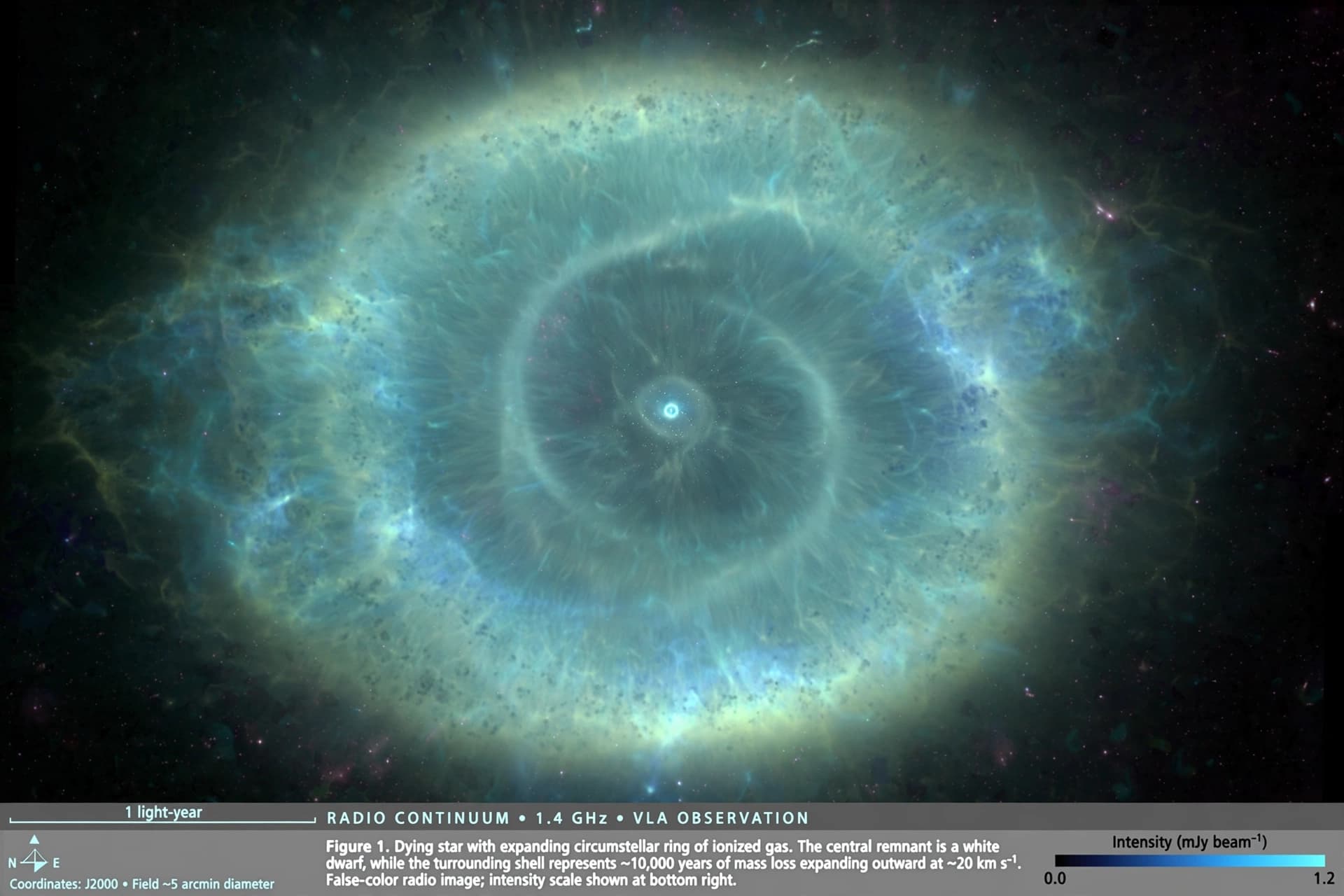
AI Image Disclaimer: Please note that the visual accompaniments for this article are AI-generated illustrations created to reflect the thematic elements of cosmic simulation and dark matter research.
Sources: Nature Astronomy Scientific American Space.com University of Zurich Press Release BBC Science
Published by Banx Network. This article is part of the Banx decentralized media programme, powered by the BXE token on the XRP Ledger.