From the vantage point of the sky, the Earth reveals its vulnerabilities and its resilience in equal measure. NASA has launched six new airborne missions designed to study some of the most pressing environmental challenges of our time, including extreme wildfires, landslides, and air quality. These initiatives represent a concerted effort to understand the dynamic processes shaping our planet, using advanced technology to gather data that can inform policy and protect communities. It is a journey of observation that invites reflection on our relationship with the natural world.
Body: The missions utilize a variety of aircraft equipped with specialized sensors and instruments to collect high-resolution data. Unlike satellites, which provide a broad overview, airborne missions can target specific events and regions with greater precision. This flexibility allows scientists to capture real-time changes during critical moments, such as the peak intensity of a wildfire or the immediate aftermath of a landslide. The data collected is crucial for improving predictive models and understanding the underlying mechanisms of these phenomena.
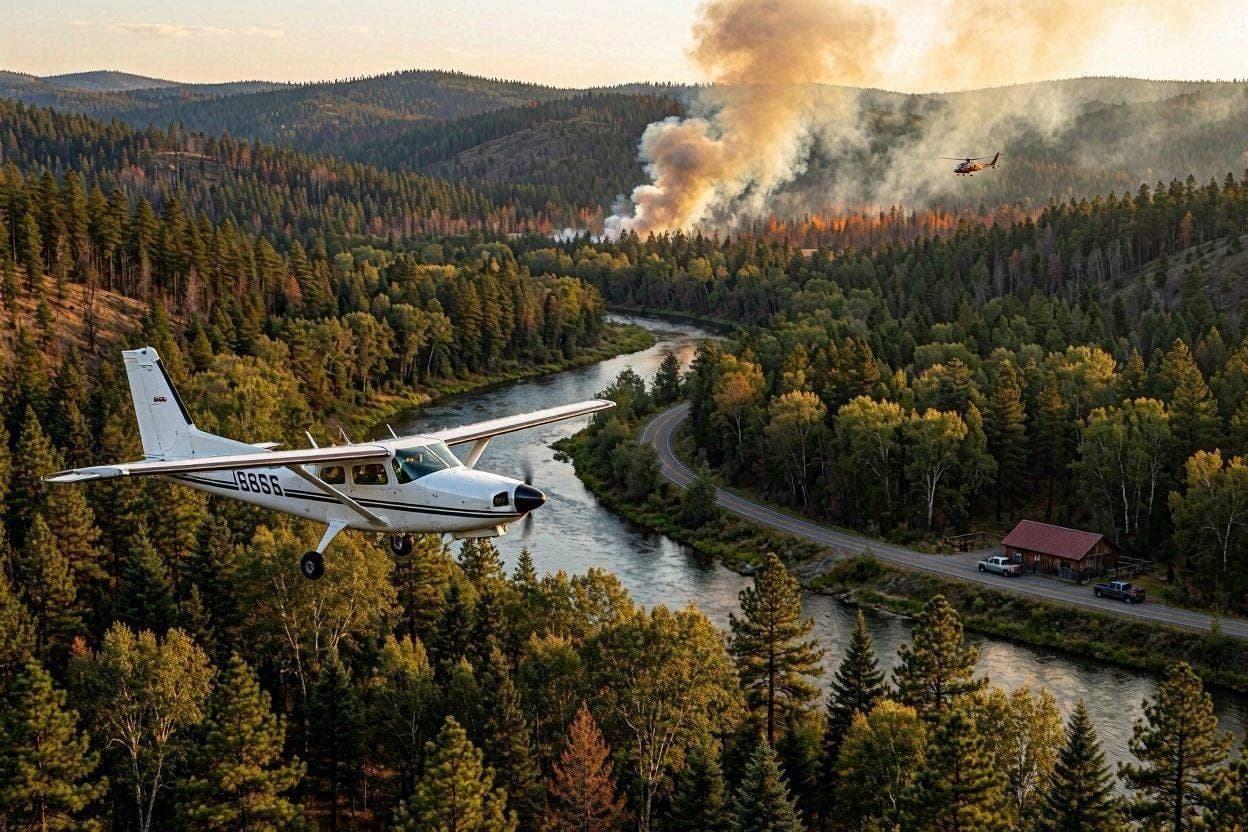
One of the primary focuses is on extreme wildfires, which have become more frequent and severe due to climate change. By measuring heat output, smoke composition, and vegetation moisture, researchers can better predict fire behavior and spread. This information is vital for firefighters and emergency managers, who rely on accurate forecasts to allocate resources and ensure public safety. The missions aim to bridge the gap between scientific research and practical application.
Landslides pose another significant threat, particularly in mountainous regions and areas affected by heavy rainfall. The new missions will use radar and lidar technology to map terrain changes and identify unstable slopes. Understanding the triggers and dynamics of landslides can help communities prepare for potential disasters and implement mitigation strategies. The goal is to reduce risk and save lives through early warning and better land-use planning.
Air quality is also a key area of study, as pollution affects health and ecosystems globally. By tracking pollutants such as particulate matter and ozone, scientists can identify sources and transport pathways. This data supports regulatory efforts to improve air quality standards and reduce emissions. The missions provide a comprehensive view of atmospheric conditions, helping to clarify the complex interactions between human activity and environmental health.
Collaboration is central to the success of these missions. NASA works with other federal agencies, universities, and international partners to share data and expertise. This collective approach ensures that findings are robust and widely applicable. The integration of diverse perspectives enhances the quality of research and accelerates the translation of science into action. It is a model of cooperation that benefits society as a whole.
Public engagement is also a priority, with NASA sharing findings through accessible platforms and educational programs. By involving citizens in the process, the agency fosters a deeper understanding of environmental issues and encourages stewardship. The missions are not just about collecting data but about inspiring a sense of responsibility and care for the planet. They remind us that knowledge is power, and that informed actions can lead to positive change.
Closing: The launch of these six airborne missions marks a significant step forward in Earth science. By studying wildfires, landslides, and air quality, NASA contributes to a safer and more sustainable future. The insights gained will help communities adapt to changing conditions and protect the environment for generations to come.
AI Image Disclaimer: Visuals in this piece are artificially generated and should be viewed as artistic interpretations rather than factual documentation.
Sources: NASA Science Daily Earth Observatory Jet Propulsion Laboratory
Published by Banx Network. This article is part of the Banx decentralized media programme, powered by the BXE token on the XRP Ledger.