
Key Highlights
- Ongoing Conflict:Renewed clashes between Thailand and Cambodia have escalated, displacing thousands.
- Upcoming Talks:Officials from both nations are set to meet in Chanthaburi to discuss a ceasefire.
- Historical Context:The border dispute is rooted in complex historical claims and territorial sovereignty issues.
In the last days of December, as many around the world prepare for festive gatherings, the border region between Thailand and Cambodia has become a focal point of renewed conflict. For weeks, artillery and rockets have echoed across the frontier, transforming villages into scenes of despair and forcing families to flee their homes. As Christmas Eve approached, a glimmer of hope emerged: both nations agreed to engage in dialogue aimed at ending the violence that has plagued their shared border.
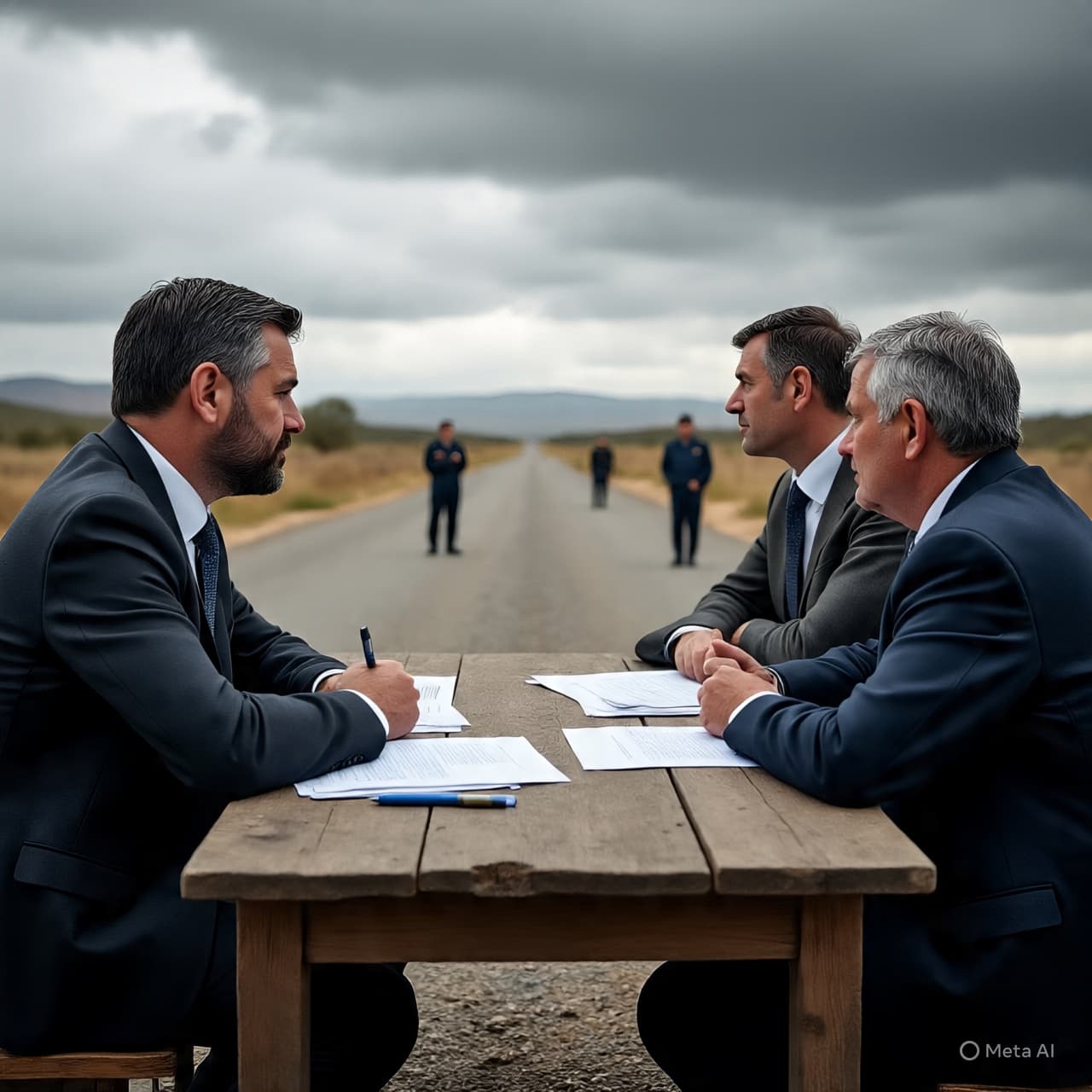
The upcoming talks are scheduled under the General Border Committee, a framework that has existed for years but is now urgently needed. Officials from Bangkok and Phnom Penh will convene in Thailand’s Chanthaburi province to discuss the implementation of a ceasefire and explore strategies to halt the fighting that reignited in early December after a previous truce collapsed. This meeting may pave the way for a more formal discussion between defense ministers later in the week, representing a critical step toward resolving the violence that has claimed numerous lives.
The ongoing clashes have displaced hundreds of thousands, turning daily life into a series of memories marked by fear and uncertainty. For residents of border towns, a simple walk down the street is now fraught with anxiety, as commerce and community have been replaced by a pervasive sense of danger. Children grow up in an environment dominated by military checkpoints and whispered conversations about safety. In this context, the decision to engage in talks is a significant gesture aimed at reclaiming a sense of normalcy lost to conflict.
However, dialogue does not equate to peace. The discussions under the General Border Committee must address not only immediate concerns such as verifying ceasefire agreements and demining efforts but also the deeper historical grievances related to sovereignty and territorial claims. Officials are tasked with creating a plan that civilians can trust, one that enables families to return home without the looming threat of violence or displacement.
Negotiations born from such intense conflict carry no guarantees. Yet, in a season when many celebrate peace and togetherness, the act of coming together to discuss the future holds its own quiet significance. Whether this meeting will lead to lasting tranquility or become another chapter in a long history of struggle remains to be seen in the days ahead. The world watches as Thailand and Cambodia take this crucial step toward dialogue, hoping for a resolution that brings safety and stability to their border regions.
Published by Banx Network. This article is part of the Banx decentralized media programme, powered by the BXE token on the XRP Ledger.



