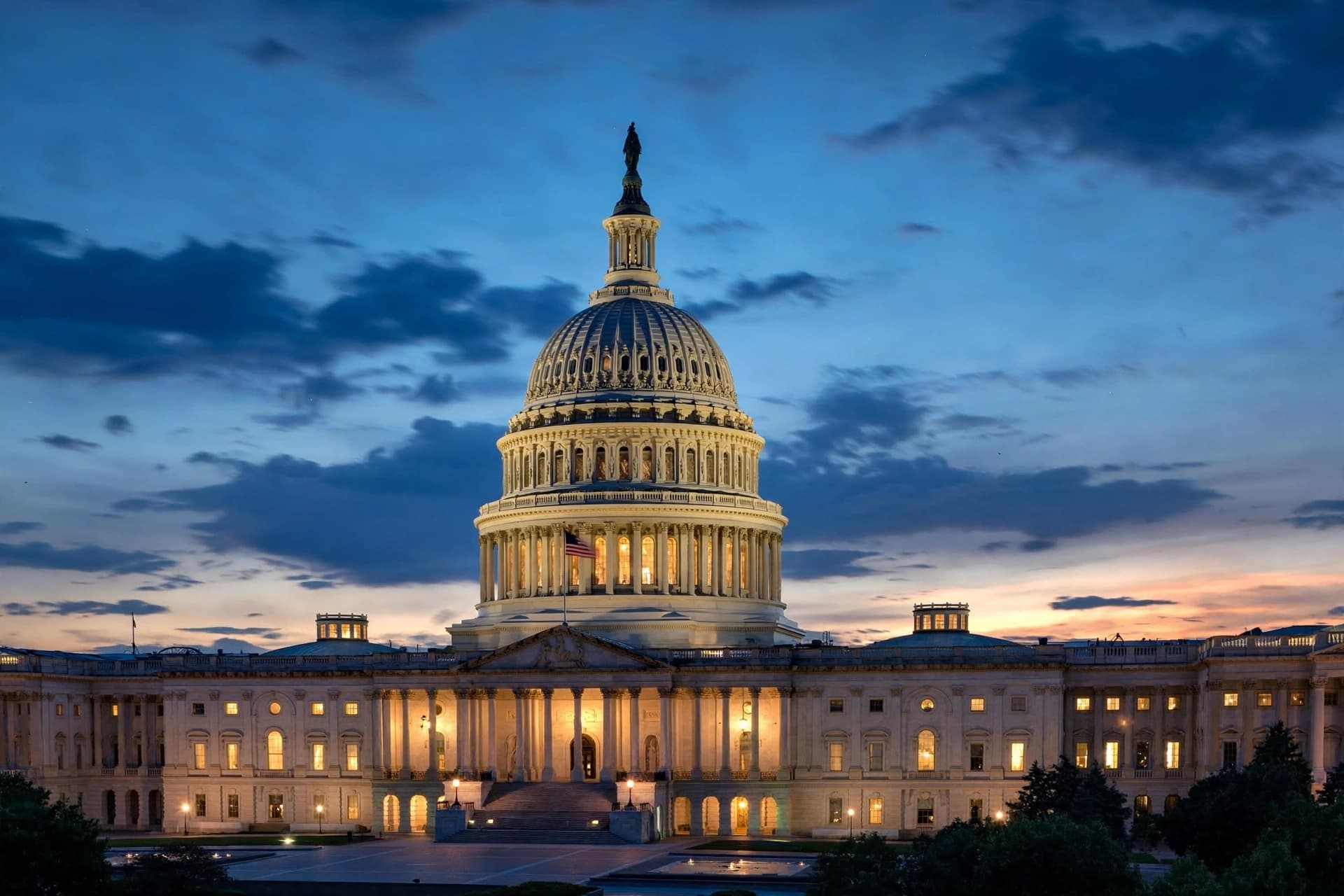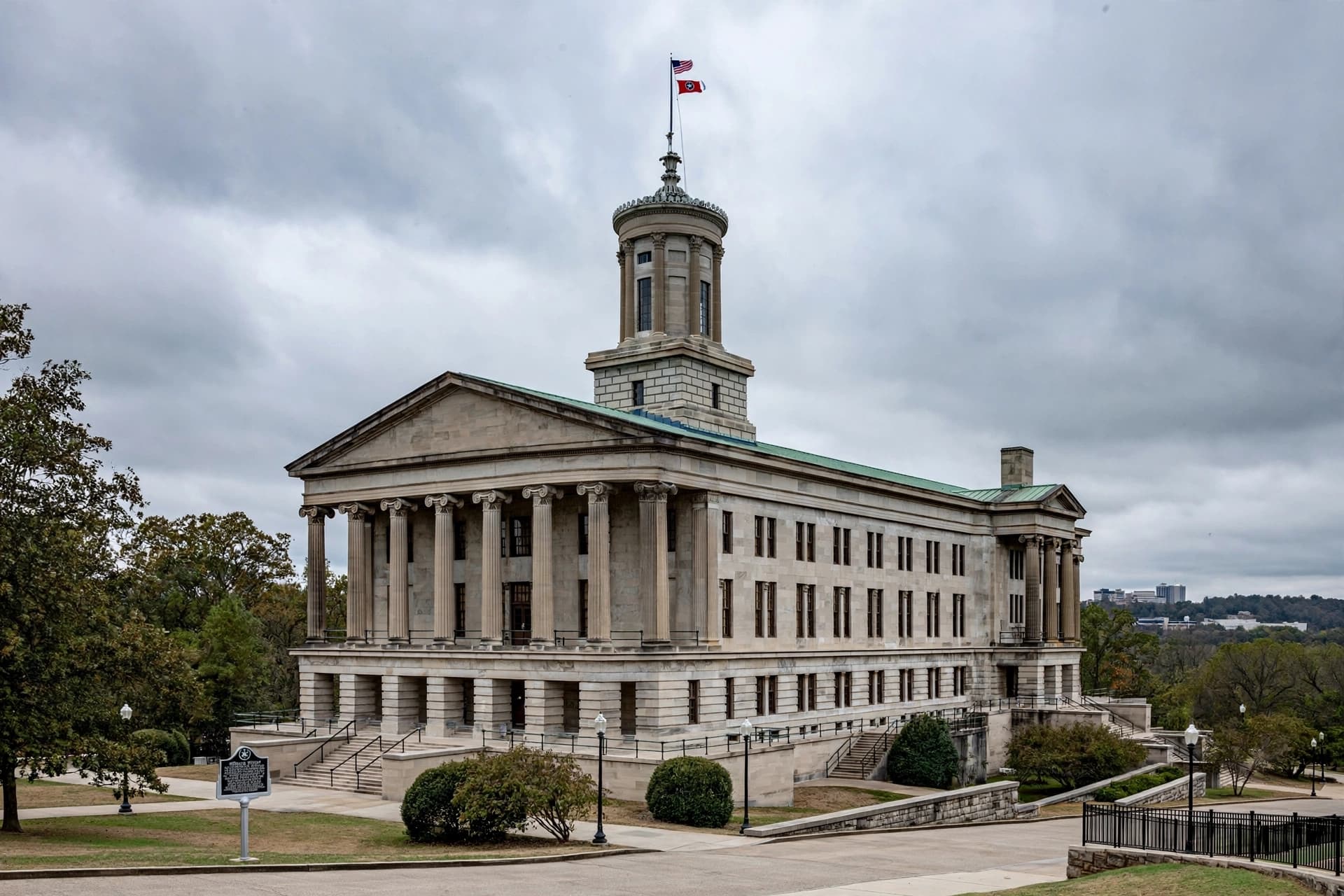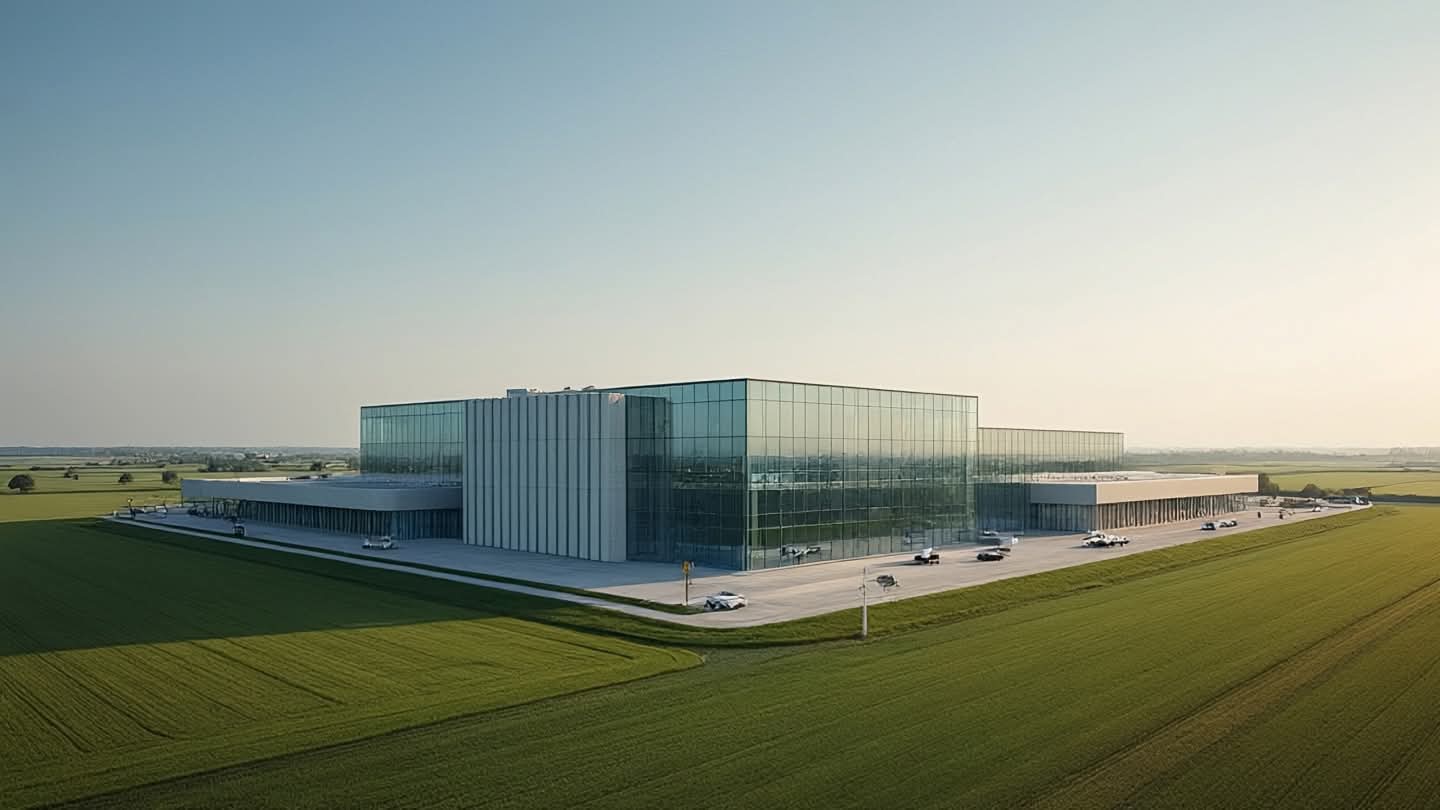
In the rapidly evolving landscape of American politics, today’s innovation can quickly become tomorrow’s controversy. Data centers, once hailed as the engines of digital progress and economic growth, are now facing a surprising wave of opposition from within the Republican party. This shift marks a notable departure from traditional pro-business stances, reflecting growing concerns among constituents about the environmental and social impacts of artificial intelligence infrastructure. It is a moment where technological ambition meets local reality.
For years, Republicans championed data centers as symbols of modernization and job creation. However, recent months have seen a sharp turn in rhetoric, with many GOP politicians publicly criticizing new projects in their districts. This change is driven by voter anger over issues such as excessive water consumption, high energy usage, noise pollution, and the strain on local electrical grids. The abstract benefits of AI are increasingly weighed against tangible community disruptions.
A Washington Post analysis reveals that a majority of politicians speaking out against data centers in recent months are Republicans. This trend is evident in key states like Pennsylvania, Nevada, and Texas, where proposed facilities have sparked intense local debates. Candidates are finding that opposing data centers resonates with voters who feel overlooked by rapid technological expansion.
The shift is not uniform, however. Some prominent Republicans, including former President Donald Trump, continue to support data center development as part of a broader strategy to maintain American technological dominance. This internal divergence highlights the complexity of the issue, where national economic goals clash with local quality-of-life concerns. Politicians are navigating a narrow path between supporting innovation and responding to constituent demands.
Environmental groups have long raised alarms about the sustainability of large-scale data operations, but their voices are now being amplified by conservative lawmakers. The convergence of ecological concern and political pragmatism has created a powerful coalition against unchecked expansion. This alliance suggests that environmental stewardship is becoming a bipartisan issue, albeit for different reasons.
Local communities are at the forefront of this movement, organizing town halls and petitions to halt or modify projects. Their stories of disrupted sleep due to generator noise and fears of water scarcity have humanized the technical debate. For many residents, the data center is no longer a distant concept but a neighbor with significant demands on shared resources.
As the 2026 midterm elections approach, data centers have emerged as a unexpected campaign issue. Candidates are using their stance on these facilities to differentiate themselves from opponents, framing the debate in terms of local control versus corporate interest. This politicization ensures that the conversation will remain central to regional policy discussions.
The Republican turn against data centers illustrates the dynamic nature of political priorities in the face of technological change. As the demand for AI computing grows, so too does the need for balanced policies that address both economic potential and community well-being. The coming years will test whether this opposition leads to stricter regulations or a reimagining of how digital infrastructure is integrated into American life.
AI Image Disclaimer: The images associated with this report are AI-generated visualizations created to provide context and should not be interpreted as documentary evidence.
Sources: Washington Post CNBC PBS NewsHour Wall Street Journal Gallup
Published by Banx Network. This article is part of the Banx decentralized media programme, powered by the BXE token on the XRP Ledger.