In the sun-baked political landscape of Arizona, where the contours of democracy are often drawn in sharp relief, a familiar figure has stepped back into the spotlight. Mark Finchem, a state senator who played a prominent role in efforts to challenge the results of the 2020 presidential election, is now seeking the office of Secretary of State. This position, which oversees elections in Arizona, represents a profound shift from contesting the integrity of the vote to potentially administering it. The move has ignited a fierce debate about trust, accountability, and the future of electoral administration in the United States.
For many observers, Finchem’s candidacy is not just a personal political ambition but a test of the resilience of democratic institutions. It raises questions about whether those who have questioned the foundational processes of voting should be entrusted with their stewardship. As the primary season unfolds, this narrative has become a central theme in Arizona’s political discourse.
Body: Finchem, a former fire chief and long-serving legislator, has been a vocal advocate for stricter election laws and greater transparency in voting procedures. His campaign platform emphasizes the need to restore public confidence in the electoral system, arguing that recent changes have left too many vulnerabilities. He points to his legislative record as evidence of his commitment to securing the vote, citing bills he sponsored to enhance voter ID requirements and audit processes.
However, his past actions cast a long shadow. During the aftermath of the 2020 election, Finchem was one of several lawmakers who supported unsubstantiated claims of widespread fraud. He attended rallies and signed letters urging the decertification of Arizona’s election results, actions that drew national attention and criticism from both parties. For critics, this history disqualifies him from holding an office dedicated to fair and impartial election administration.
The race for Secretary of State is crowded and competitive, reflecting the high stakes involved. Other candidates, including Democrats and moderate Republicans, have framed the election as a choice between protecting democracy and undermining it. They argue that Finchem’s presence on the ballot legitimizes conspiracy theories and threatens the stability of the electoral process. The contrast in visions for the office could not be starker.
Supporters of Finchem, however, view him as a patriot who is willing to ask difficult questions. They believe that skepticism of government institutions is healthy and necessary for accountability. For these voters, Finchem’s candidacy represents a chance to ensure that elections are conducted with the highest level of scrutiny and integrity. They see his experience as an asset rather than a liability.
The national implications of this race are significant. Arizona has become a bellwether for the broader struggle over voting rights and election security in the U.S. The outcome of the Secretary of State race could influence how elections are managed in other states, setting precedents for policy and practice. Political analysts are watching closely to see if Finchem’s message resonates beyond his base.
Legal experts have also weighed in, noting the potential conflicts of interest inherent in Finchem’s position. If elected, he would be responsible for certifying elections that he has previously contested. This dynamic creates a complex ethical landscape that may require careful navigation and oversight. The question of impartiality remains at the forefront of the discussion.
As campaigning intensifies, both sides are mobilizing their resources. Grassroots organizations are working to educate voters about the importance of the Secretary of State’s role, while national groups are pouring funds into advertising and outreach. The airwaves are filled with competing narratives, each vying for the attention of undecided voters.
The primary election will serve as a crucial indicator of the political climate in Arizona. Whether Finchem can overcome the controversy surrounding his past or whether it will prove to be an insurmountable obstacle remains to be seen. The result will reflect the values and priorities of the electorate in a pivotal moment for American democracy.
Closing: Mark Finchem’s bid for Secretary of State is more than a local political contest; it is a referendum on the nature of trust in democratic institutions. It invites voters to consider who they believe is best suited to safeguard the right to vote and ensure the integrity of every ballot cast.
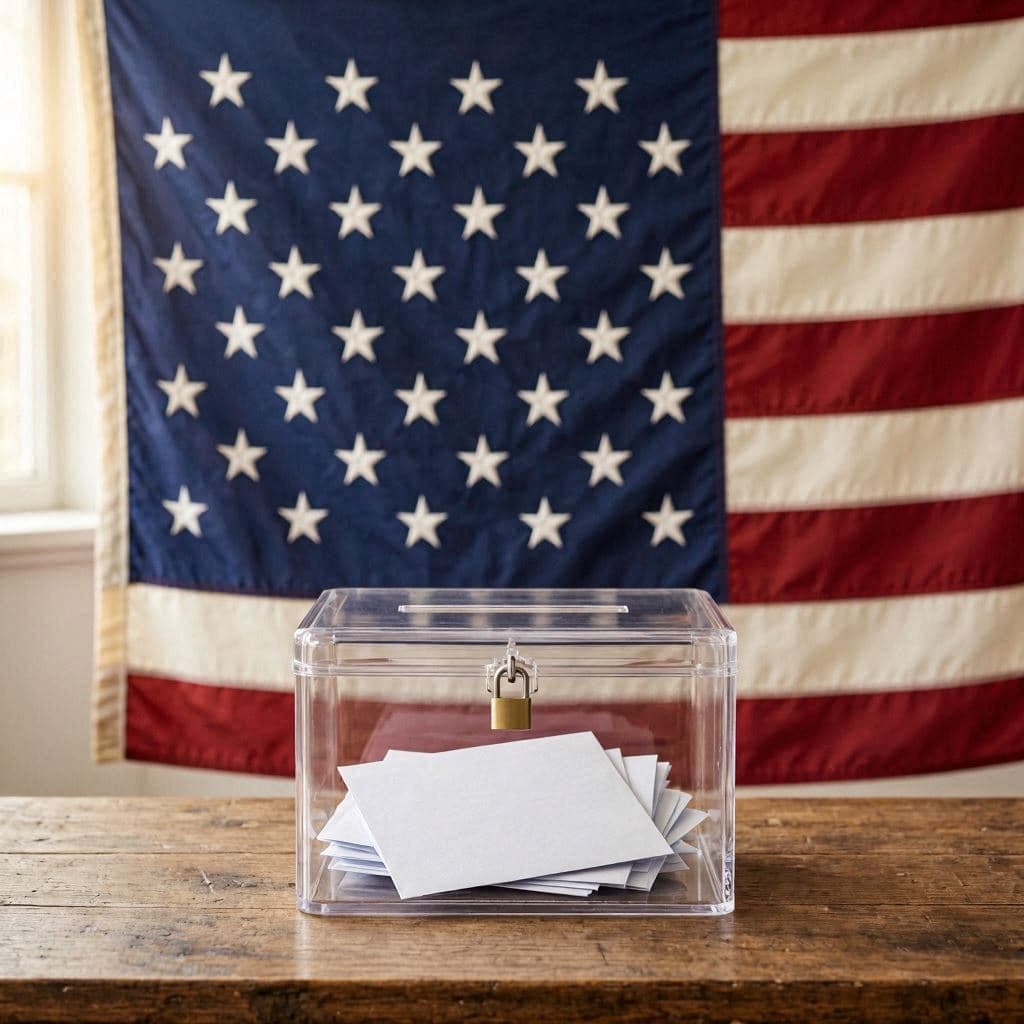
AI Image Disclaimer: The illustrations accompanying this article are AI-generated visuals created to reflect the themes of political campaigning and electoral integrity.
Sources: Ballotpedia Arizona Senate Republicans The Fulcrum ACLU of Arizona
Published by Banx Network. This article is part of the Banx decentralized media programme, powered by the BXE token on the XRP Ledger.