At the beginning of every year, the financial world gathers its expectations like travelers packing for a long journey. Forecasts are written, strategies are drawn, and investors place their bets on what the months ahead might bring.
In early 2026, many of those expectations shared a common rhythm. Interest rates were expected to ease gradually, global growth was predicted to steady, and markets prepared for a landscape where risk appetite might cautiously return.
But beyond the calm language of economic forecasts, the world has its own way of introducing uncertainty.
The conflict unfolding across parts of the Middle East has begun to shift the direction of several market trades that once appeared widely agreed upon. Strategies that dominated the opening weeks of the year—so-called “consensus trades”—are now facing sudden reconsideration as geopolitical tensions ripple through energy markets, currencies, and global equities.
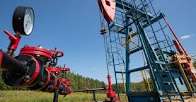
Investors had entered the year expecting a relatively stable energy environment. Oil prices were projected to remain moderate, helping to ease inflation pressures and support economic recovery across many countries.
Yet tensions linked to the conflict involving Iran have unsettled that outlook. Concerns over supply disruptions and shipping routes have pushed energy markets into a more volatile pattern, sending crude prices higher and challenging assumptions that inflation would continue its steady descent.
In financial markets, such shifts rarely stay confined to a single sector.
Currency traders have begun reassessing positions tied to global growth expectations. Government bond yields have responded to the renewed uncertainty surrounding inflation and central bank policy. Equity markets, meanwhile, are navigating a landscape where geopolitical risk has returned to the foreground after several years dominated primarily by interest rate debates.
Among the strategies now under pressure are bets that once seemed almost routine: expectations of declining oil prices, positions favoring certain emerging-market currencies, and investments built on the belief that inflation would fade smoothly through the year.
These trades formed part of the market’s collective narrative for 2026—a story about stabilization after years of economic turbulence.
But markets, like weather systems, can change direction quickly when distant events alter the atmosphere.
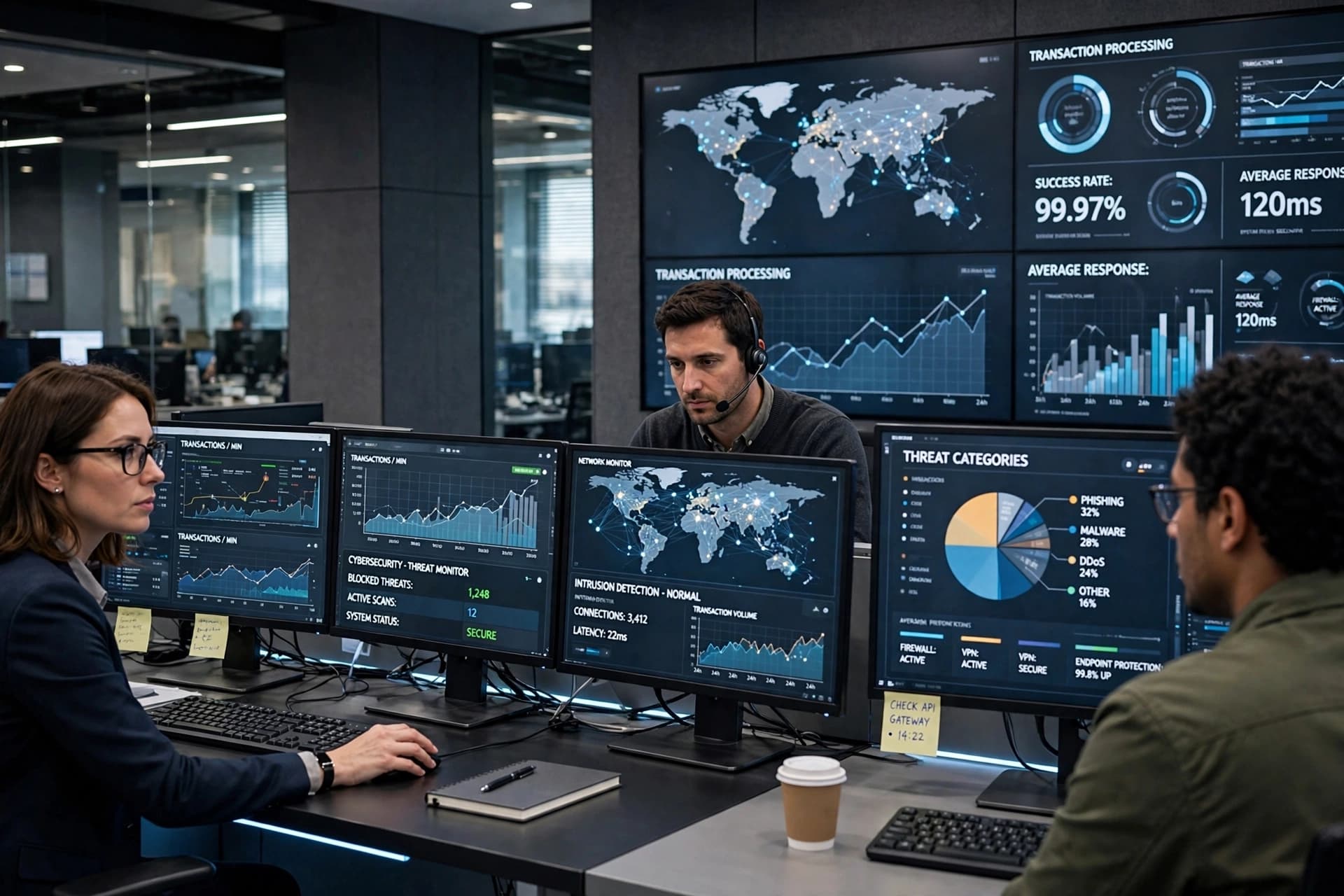
In trading rooms across London, New York City, and Singapore, analysts now watch geopolitical headlines as closely as economic data. Oil shipping routes, military developments, and diplomatic statements have begun to influence the same financial models that once focused mainly on inflation charts and central bank speeches.
For hedge funds and asset managers, the sudden shift serves as a reminder of how closely global markets remain tied to events beyond their control.
Consensus trades often emerge when many investors share similar expectations about the future. They are efficient while the narrative holds, but vulnerable when reality diverges from the script.
In 2026, the narrative has begun to change.
The conflict in the Middle East has not only introduced uncertainty into energy markets—it has reminded investors that geopolitics remains a powerful force shaping the rhythm of global finance.
And so the forecasts written at the year’s beginning are slowly being rewritten, not with dramatic gestures but with the quiet adjustments of traders moving their positions one chart at a time.
The markets move forward, as they always do, carrying with them a simple awareness: that even the most confident predictions must sometimes yield to the unpredictable currents of the world.
AI Image Disclaimer Illustrations were created using AI tools and are not real photographs.
Sources Reuters Bloomberg Financial Times The Wall Street Journal CNBC
Published by Banx Network. This article is part of the Banx decentralized media programme, powered by the BXE token on the XRP Ledger.