
Key Highlights
- Historic Change:President Trump's signature will appear on U.S. currency.
- First Time:A sitting president's signature is included on legal tender.
- Broader Significance:This change reflects evolving national identity and governance.
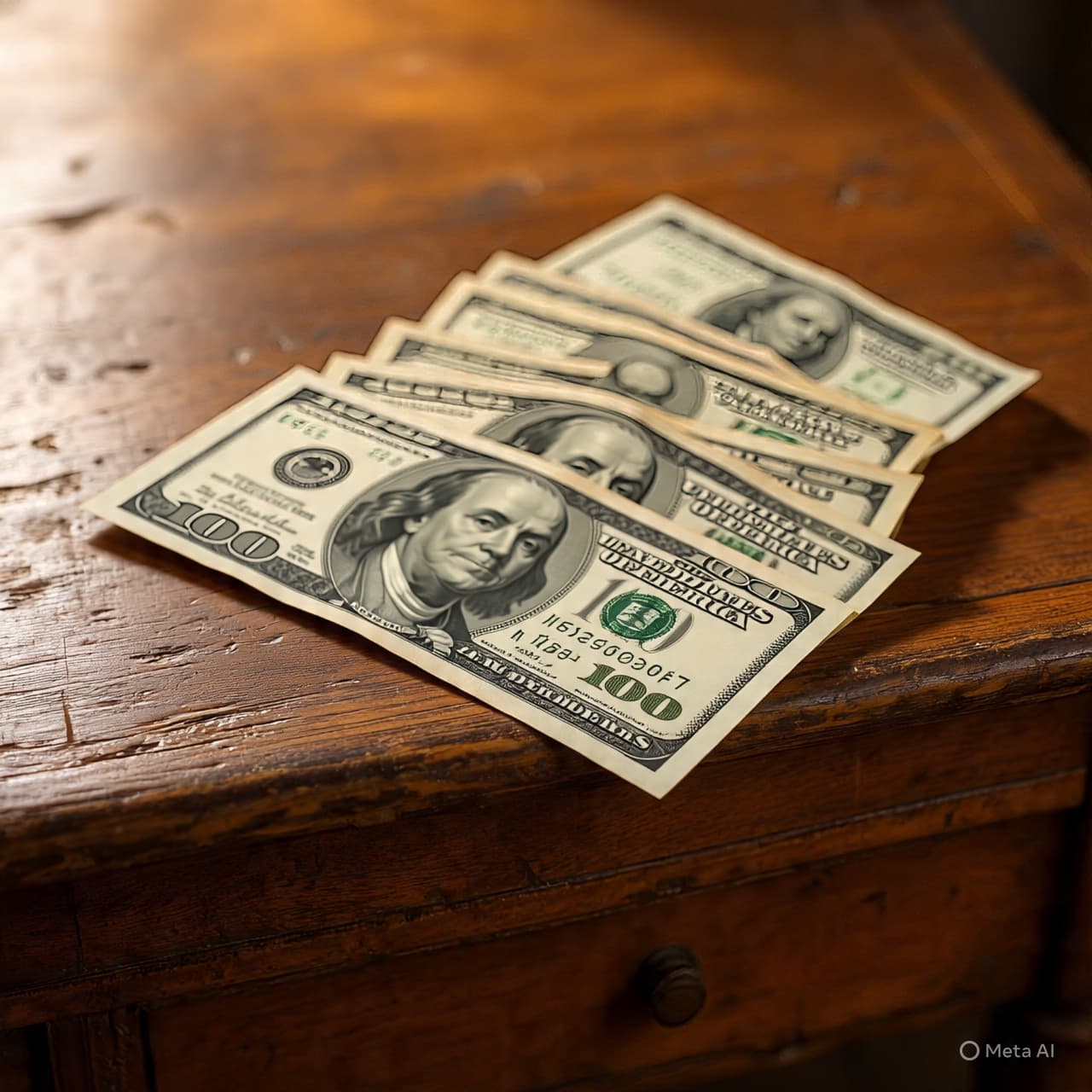
In a groundbreaking move, the U.S. Treasury has announced that for the first time in history, a sitting president's signature will be featured on the nation’s currency. This significant change will see President Donald Trump’s signature printed alongside that of the Treasury Secretary, marking a departure from the long-standing tradition where only former presidents' signatures have appeared on legal tender. This unprecedented decision is set to reshape the landscape of U.S. currency and its symbolic meaning.
The inclusion of a current president’s signature on currency is not merely a cosmetic change; it carries deep historical implications. Experts in numismatics, the study of currency, note that signatures have always been a sign of authority and authenticity. However, the act of inking a sitting president’s name onto money while still in office is a notable deviation from established norms. This move reflects a unique intersection of tradition and contemporary political life, highlighting the evolving nature of governance and its representation in everyday objects.
Currency serves as more than just a medium of exchange; it embodies national identity and reflects the values and beliefs of a society. The presence of a sitting president's name on bills and coins symbolizes a merging of personal legacy with institutional authority. This change invites collectors and the public to engage in discussions about the nature of trust and the symbols that represent it. As these new notes enter circulation, they will prompt reflection on how currency can encapsulate the narratives of a nation.
As the rollout of this new currency begins, financial institutions, retailers, and citizens will find themselves handling this historic money, perhaps without fully grasping the significance of their actions. Historians emphasize that such innovations are rarely isolated; they resonate with the fluidity of national memory and the ongoing negotiation between established practices and evolving societal norms. The new notes will circulate quietly in wallets and pockets across the country, serving as a tangible reminder of the intersection between politics and daily life.
This change also raises questions about the future of currency design and the role of political figures in shaping the symbols of trust. As the public engages with this new currency, it may lead to a broader conversation about the meaning of leadership and legacy in a rapidly changing world. The presence of a sitting president's signature on currency is a subtle yet powerful testament to the ways in which history and authority can converge in everyday life, prompting us to reconsider the narratives embedded in the objects we often overlook.
Published by Banx Network. This article is part of the Banx decentralized media programme, powered by the BXE token on the XRP Ledger.



