In a world where stories often begin and end in blood and rubble, sometimes another kind of transformation quietly blooms — behind walls, in silence, under scrutiny. The journey of Bassem Khandakji — once convicted for a deadly bombing plot, now an award-winning novelist — reads like a parable of what can emerge when ink replaces explosives, memory replaces hatred, and words replace bullets.
Two decades ago, Khandakji was sentenced to life in prison for his involvement in a 2004 suicide bombing in Tel Aviv, a blast that killed three civilians. He entered prison under the weight not only of public condemnation but also of collective grief, fear, and anger. Yet within those walls — the kind where despair is meant to flourish and hope to wither — something unexpected took root.
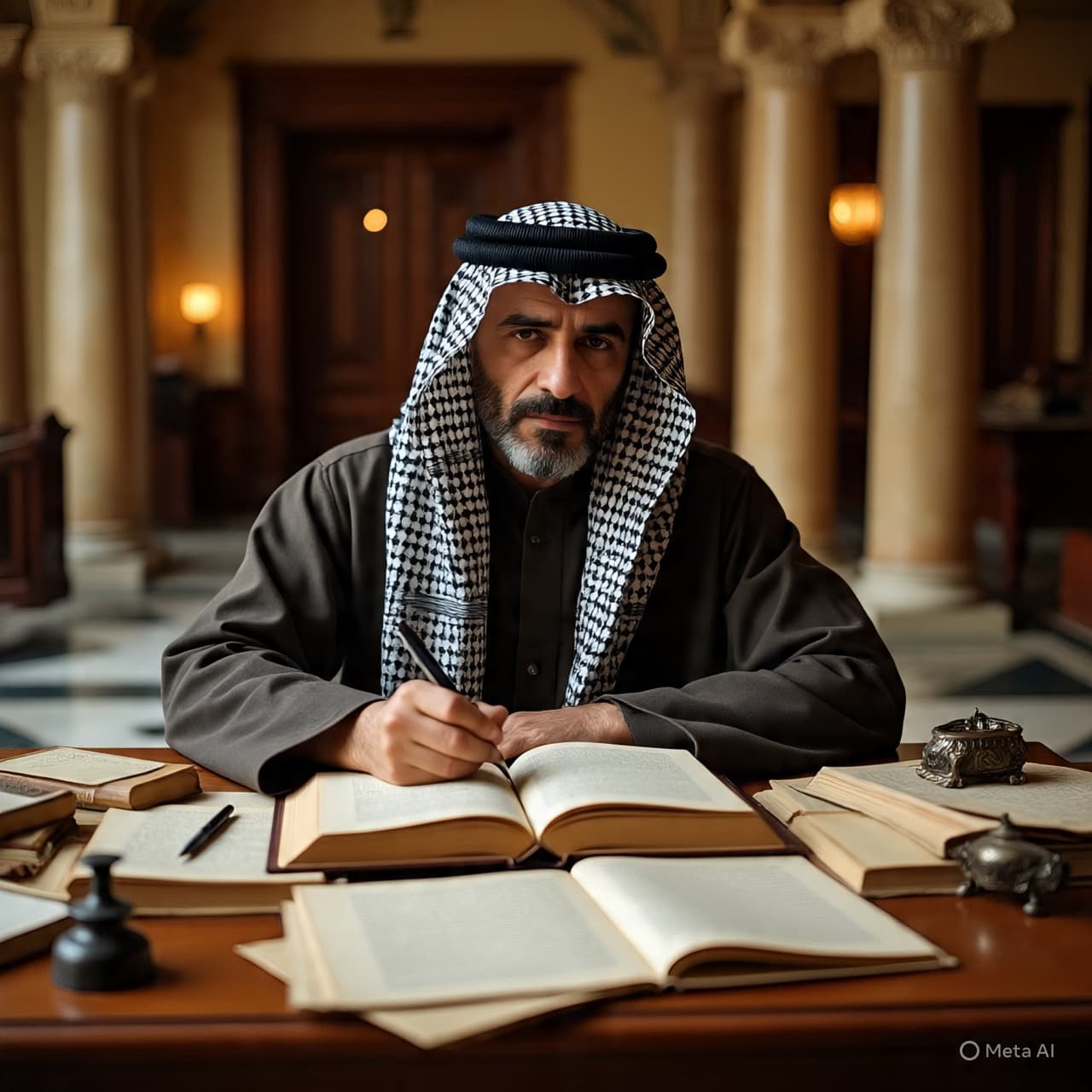
Khandakji began writing fiction. Despite harsh conditions and the heavy burden of his past, he molded narratives and crafted characters — channeling pain, conflict, longing, and imagination into prose. Over years, what began as secret scribbles in a cell grew into full novels. His most celebrated work, A Mask, the Color of the Sky, earned the most prestigious prize in Arabic fiction: the 2024 International Prize for Arabic Fiction (often dubbed the “Arabic Booker Prize”).
His release in October 2025 — part of a broader deal tied to the Gaza ceasefire — sent ripples across the fraught landscape of memory, justice, literature, and identity. At 41, Khandakji stepped out of prison not just as a freed man but as a published author whose words had already transcended the walls that once held him. In a hotel room in Cairo, he told reporters: “I try to convince my readers by my text that I’m a new man now.”
What does this metamorphosis signify — for him, for society, for the wounded lands that shaped his life? Perhaps it’s a stark demonstration that human lives, even fractured ones, may follow unpredictable arcs. Where once there was violence and death, there now exists a fragile bridge: a novel that seeks, in its pages, to navigate identity, memory, and belonging. Khandakji has spoken about wanting to build “a new ethic discourse” — one that acknowledges suffering on all sides, that attempts to humanize even those whom history names enemies.
Yet, his story does not dissolve the bitter facts. The victims of the 2004 attack, their families and grief, remain part of the unresolved narrative. The transformation from convict to novelist does not erase pain or justice. It complicates it. It forces readers — in the Arab world, in Israel, across international audiences — to confront the tangled knots of guilt, memory, art, identity, redemption. It raises uncomfortable questions: can literature be a form of atonement? Is there a place in the world for someone who once committed violent acts — if they now speak in poems, in fiction, in longing?
In releasing Khandakji, in celebrating his book, in granting him a new platform, the world risks both hope and controversy. But perhaps that is the fragile alchemy of transformation: bold, uncertain, unsettling.
In the final reckoning, the tale of Bassem Khandakji stands as a question more than an answer. It suggests that even the deepest convictions — whether of hatred or of hope — can shift under pressure, that a cell can become a crucible, that literature can emerge from the darkest places, and that freedom — even if granted under uneasy terms — can open paths to unexpected revolutions of spirit.
AI image disclaimer: “Visuals are created with AI tools and are not real photographs.”
Sources (media names only): KPBS Public Media; NPR/WBAA; WUSF; Georgia Public Broadcasting; Wikipedia
Published by Banx Network. This article is part of the Banx decentralized media programme, powered by the BXE token on the XRP Ledger.