
The turning of the year in Iran is usually marked not by urgency, but by renewal. In homes and along quiet streets, the arrival of Nowruz brings with it the careful arrangement of tables, the scent of spring, and a pause between what has been and what might come. It is a moment when time softens, when even cities like Tehran seem to breathe more slowly.
This year, that rhythm was interrupted.
Reports emerged that Israel had carried out airstrikes targeting sites in and around Tehran during the early hours of the holiday. The strikes, described by officials as part of ongoing military operations, came amid an already expanding conflict that has stretched across borders and drawn in multiple actors. While the precise targets and scale of damage remain under assessment, the timing—coinciding with a cultural moment of renewal—has cast a quiet, uneasy shadow over the celebrations.
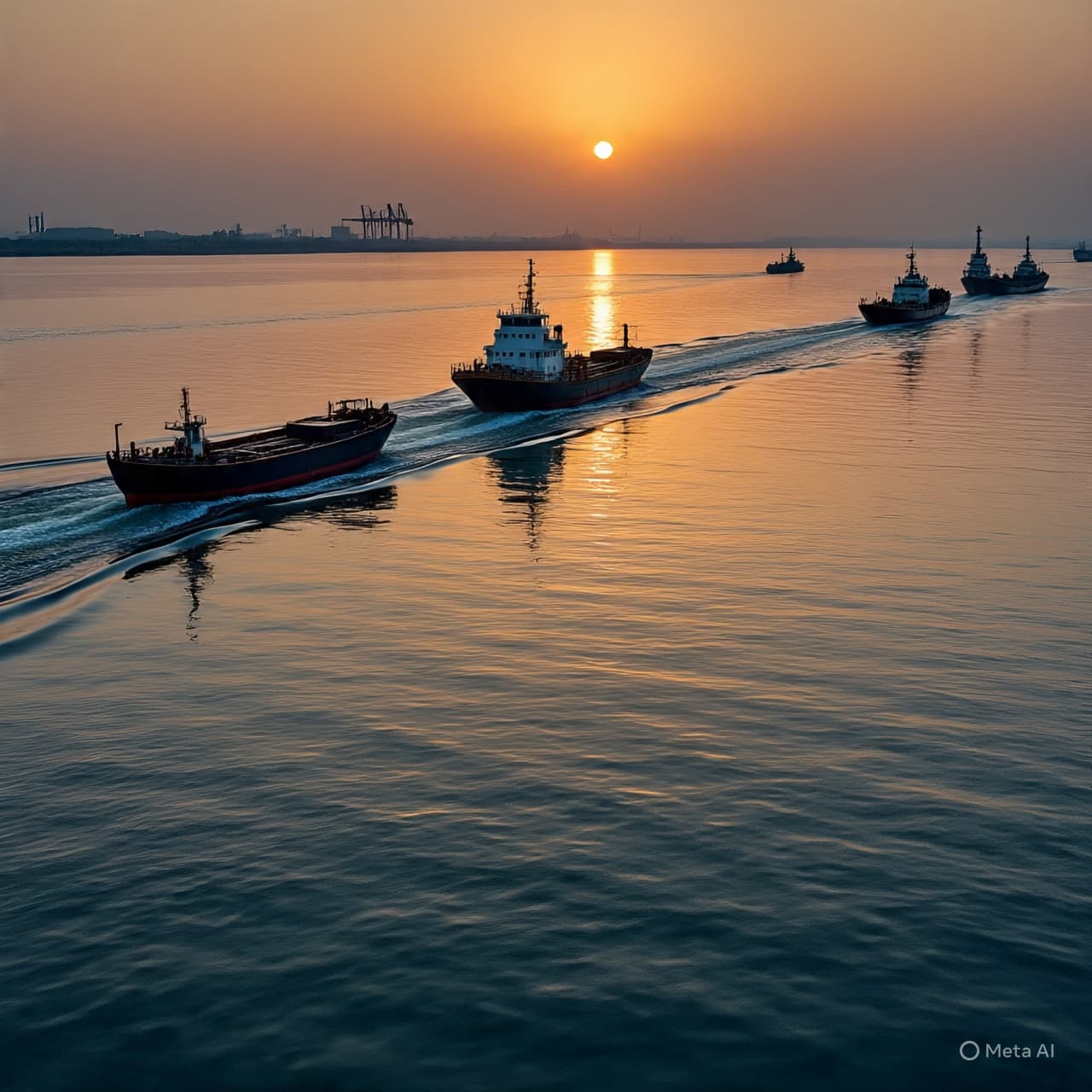
In the distance, beyond the city and its immediate shock, another reaction began to unfold in a different language—the language of markets. Energy prices, sensitive to even the faintest tremor in the region, responded quickly. Traders watched the Persian Gulf and its narrow passages, aware that any escalation near key shipping routes could disrupt flows that sustain economies far beyond the region. The conflict, already present in headlines, translated itself into numbers, into forecasts, into the cautious recalibration of supply and risk.
There is a certain stillness that follows such moments, not the stillness of calm but of suspension. In Tehran, the ordinary gestures of Nowruz—visits, greetings, the exchange of small gifts—continued, though perhaps with a different weight. Life, as it often does, adjusted itself around uncertainty. Elsewhere, officials spoke in measured tones, emphasizing strategy and response, while leaving space for ambiguity where clarity had yet to form.
The strikes also arrive within a broader pattern, one that has seen tensions rise steadily between Israel and Iran, with incidents unfolding across land, air, and sea. Each action, while specific in its intent, becomes part of a larger narrative—one that moves not in sudden leaps but in accumulating steps. In that sense, the events of this holiday feel less like an isolated rupture and more like another note in a long, unresolved composition.
Beyond the immediate region, the implications stretch outward. Countries dependent on stable energy supplies find themselves watching closely, their concerns tied not only to price but to continuity. The movement of tankers, the safety of routes, the security of infrastructure—all become part of a wider calculation that extends far beyond the moment of impact.
As the day settles and the first hours of the new year pass, the facts begin to take clearer shape: Israeli forces conducted airstrikes on targets in Tehran during Nowruz, contributing to rising regional tensions and prompting fluctuations in global energy markets. Details remain fluid, and responses from Iranian officials continue to emerge.
And yet, amid the unfolding clarity, something quieter lingers—the contrast between a holiday meant for beginnings and a moment defined by disruption. The table remains set, the season still turning, but the air carries a different kind of awareness, one shaped not only by what has happened, but by what may still come.
AI Image Disclaimer Visuals are AI-generated and serve as conceptual representations.
Sources Reuters BBC News Al Jazeera The New York Times Financial Times
Published by Banx Network. This article is part of the Banx decentralized media programme, powered by the BXE token on the XRP Ledger.


