
Key Highlights
- Australia refuses to repatriate 34 women and children linked to IS.
- The decision is based on security assessments and legal complexities.
- Humanitarian agencies warn of long-term harm from prolonged confinement.
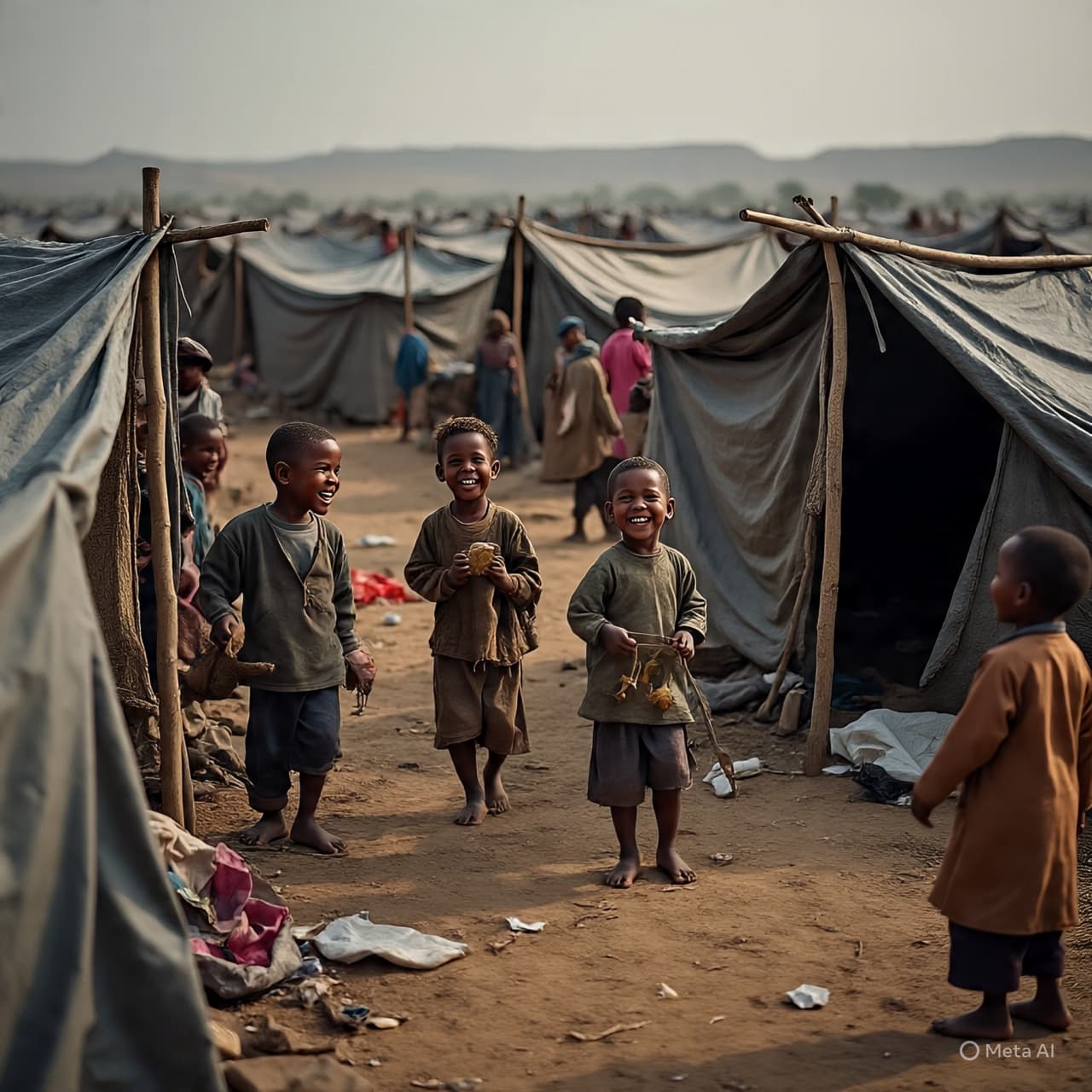
Amid the dust and makeshift tents of a Syrian camp, the Australian government has made a controversial decision not to repatriate 34 women and children associated with the Islamic State (IS). This announcement has reignited discussions about the balance between national security and humanitarian responsibility. Officials cited security assessments and legal complexities surrounding citizenship as the basis for their decision, leaving families in a state of prolonged uncertainty and displacement.
The women in question are accused of varying degrees of involvement with IS, from logistical support to domestic roles within the organization. The children, many born in the conflict zones, face a complicated identity crisis, caught between their heritage and the stigma associated with their parents' actions. Humanitarian organizations have raised alarms about the psychological and developmental impacts of prolonged statelessness, emphasizing that the conditions in these camps can lead to lasting trauma.
Australia's stance is not an isolated case; it reflects a growing dilemma faced by governments worldwide. While some countries have opted to repatriate children, often through careful legal frameworks, others have adopted strict exclusion policies, leaving families in limbo. This raises critical questions about the responsibilities of nations toward their citizens who have engaged with extremist groups, whether voluntarily or under duress.
For the families affected, the Australian government's decision translates into a daily existence marked by uncertainty and reliance on humanitarian aid. Aid workers strive to provide essential services such as food, medical care, and education, but the overarching issue of return and reintegration remains unresolved. Each day in the camp is a testament to resilience, yet it is also a reminder of the fragility of hope in a landscape defined by conflict and displacement.
As the sun sets over the camp, casting long shadows across the tents, the lives of those within continue in a suspended state. The decisions made by governments thousands of miles away have immediate and profound impacts on these families, highlighting the urgent need for a compassionate approach to policy that considers the human cost of national security measures.
The Australian government maintains that its policy aligns with existing laws and risk assessments. However, the human dimension of this issue cannot be overlooked. Observers argue that these cases will continue to fuel debates about the obligations of states to their citizens and the moral implications of leaving families in dire humanitarian situations.
As discussions around these policies evolve, the plight of those in the camps serves as a stark reminder of the complexities involved in addressing national security while upholding humanitarian principles. The ongoing situation calls for a reevaluation of how countries approach the repatriation of individuals linked to extremist groups, balancing security concerns with the fundamental rights and needs of families caught in the crossfire.
Published by Banx Network. This article is part of the Banx decentralized media programme, powered by the BXE token on the XRP Ledger.



