
Key Highlights
- Legal Scrutiny:Former President Duterte's allies named in ICC probe.
- Ongoing Investigations:Allegations of crimes against humanity under review.
- Political Implications:Potential impact on future elections and public debate.
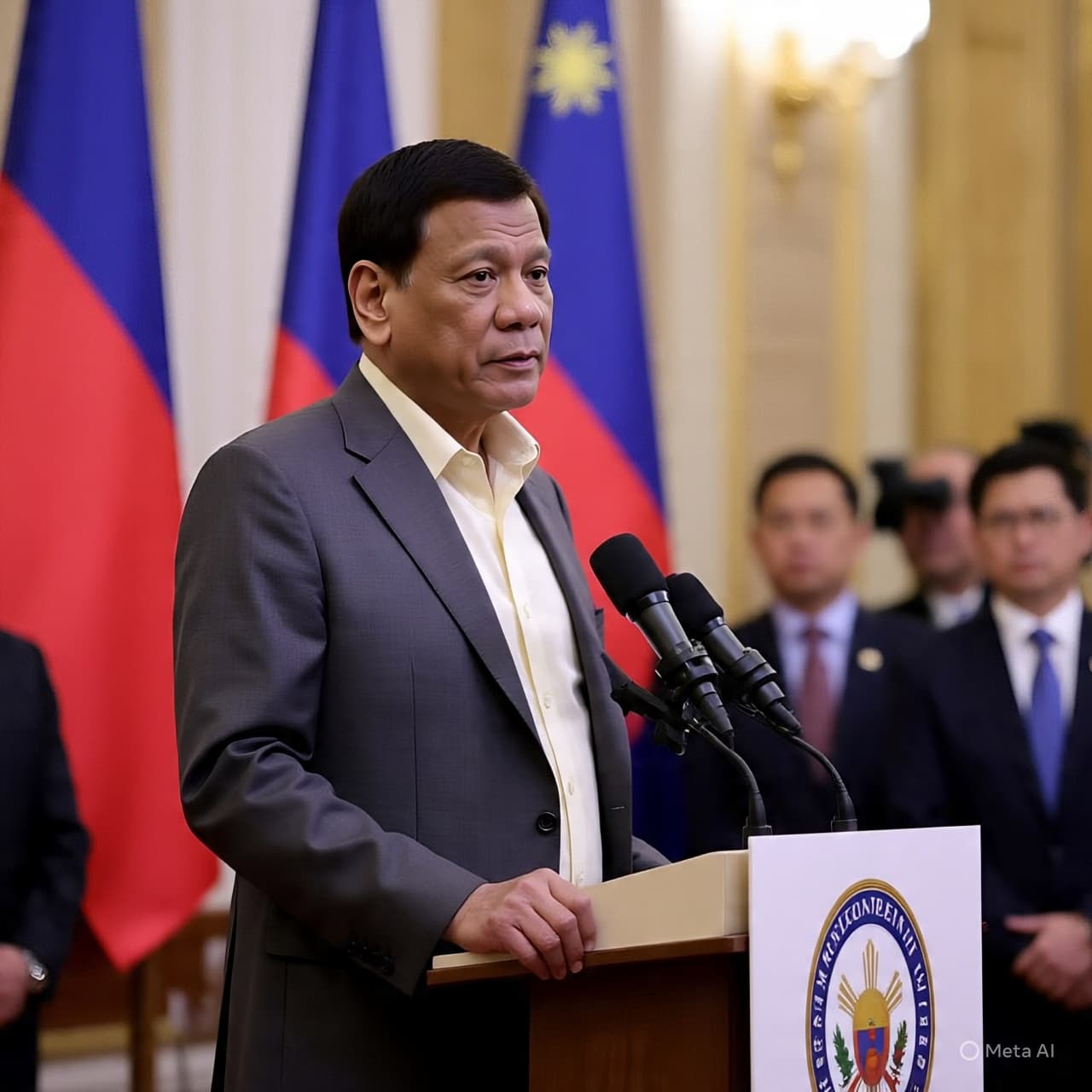
Former Philippine President Rodrigo Duterte is facing renewed legal scrutiny as authorities have publicly named several prominent allies as alleged co-perpetrators in investigations related to his administration’s controversial anti-drug campaign. This development marks a significant escalation in the ongoing proceedings before the International Criminal Court (ICC), which has been examining allegations that the anti-drug campaign may constitute crimes against humanity.
Among those identified in the recent filings are Senator Ronald dela Rosa, Senator Christopher Go, and former Justice Secretary Vitaliano Aguirre II, alongside five other former officials. The designation of these individuals emerges from a broader probe assessing potential criminal liability linked to thousands of deaths that occurred during the so-called “war on drugs.” Investigators are currently evaluating whether senior officials played direct or indirect roles in the policies or operations that led to these extrajudicial killings.
Duterte has consistently defended his anti-drug campaign as a necessary measure to combat narcotics and maintain public order. His allies argue that law enforcement actions were conducted within legal bounds and specifically targeted criminal elements. They have criticized the ICC investigation as politically motivated, questioning the court’s jurisdiction after the Philippines formally withdrew from the ICC in 2019. This withdrawal has raised concerns about the accountability mechanisms available for addressing human rights violations.
Human rights organizations, however, view the naming of alleged co-perpetrators as a crucial step toward accountability. They argue that the responsibility for the controversial operations extends beyond frontline police officers to include policymakers and senior officials who shaped the strategy and rhetoric of the anti-drug campaign. This perspective highlights the need for a comprehensive examination of the systemic issues that allowed such operations to occur.
The implications of this case are significant for the political landscape in the Philippines. Duterte continues to enjoy strong support among certain segments of the electorate, and any escalation in legal proceedings could influence political alliances and public discourse ahead of upcoming elections. The ongoing scrutiny may also affect the strategies of political figures associated with Duterte as they navigate the complexities of public opinion and legal accountability.
While the identification of additional figures does not equate to a conviction, it underscores the seriousness of the inquiry into the anti-drug campaign. As legal processes unfold, the nation faces critical questions not only about individual liability but also about how history will judge one of the most polarizing chapters in modern Philippine governance. The outcome of these investigations could set important precedents for accountability in cases of human rights violations in the country.
Published by Banx Network. This article is part of the Banx decentralized media programme, powered by the BXE token on the XRP Ledger.



