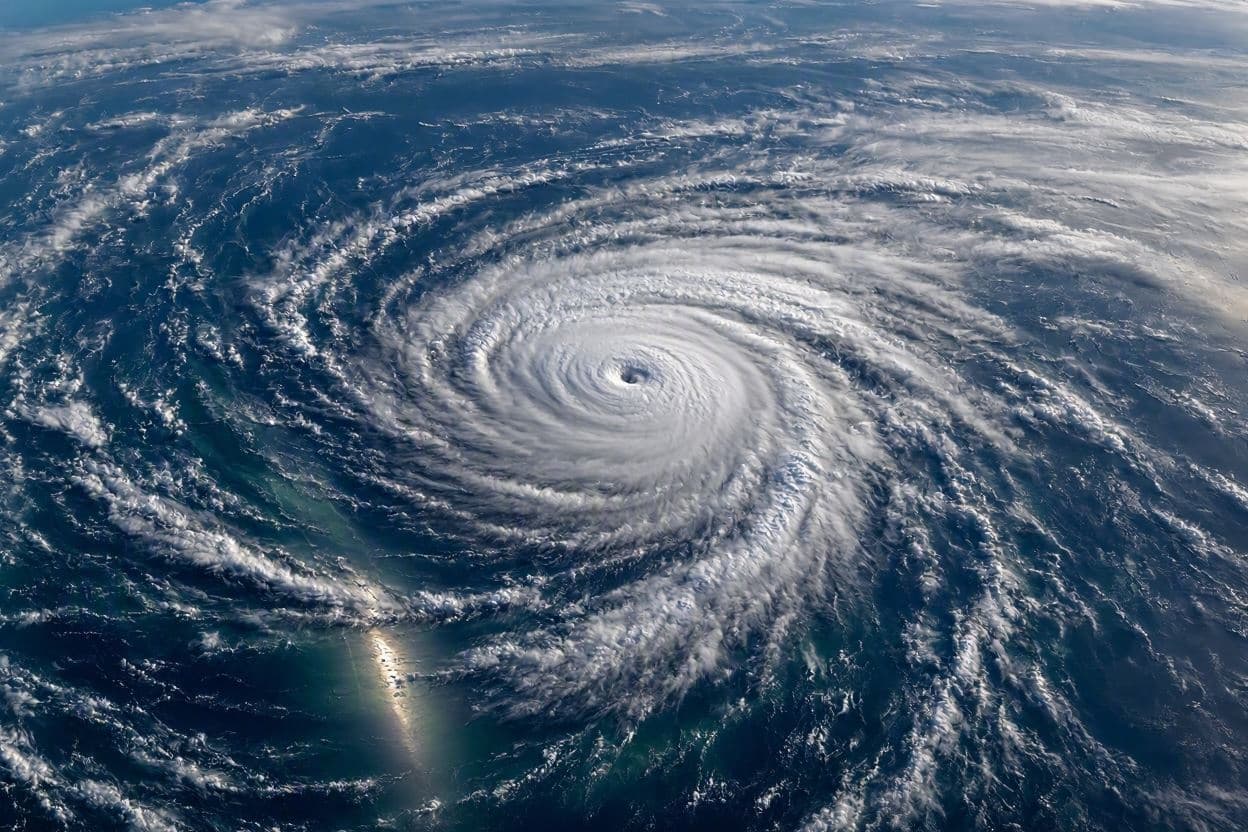
The Atlantic hurricane season, typically a period of heightened anxiety for coastal communities, has unfolded in unexpected ways this year. Influenced by the powerful El Niño climate pattern, the season initially showed signs of suppression, with fewer storms forming than average. However, as conditions shifted, the latter part of the season has surged with intensity, breaking records and challenging forecasts. This volatility highlights the complex interplay of global climate systems.
El Niño, characterized by warmer sea surface temperatures in the Pacific, usually creates wind shear in the Atlantic that disrupts storm formation. This effect led to a quiet start to the season, offering a false sense of security to many residents. Meteorologists had predicted a below-average number of named storms, a forecast that held true for the early months. Yet, the atmosphere is dynamic, and patterns can change rapidly as ocean temperatures evolve.
As the season progressed, other factors began to dominate. Record-high sea surface temperatures in the Atlantic, driven by broader climate change trends, provided ample fuel for storm development. When the suppressing influence of El Niño weakened, the accumulated energy resulted in a burst of intense activity. Several major hurricanes formed in quick succession, catching some observers off guard and straining emergency response resources.
The record-breaking nature of the late season serves as a reminder that climate change is not just about average temperatures but also about extreme variability. Warmer oceans hold more moisture and energy, leading to stronger and potentially more unpredictable storms. This trend suggests that future hurricane seasons may become less predictable, requiring adaptable strategies for preparation and response.
Coastal communities faced significant challenges as multiple storms threatened landfall in a short period. Evacuation orders, supply chain disruptions, and infrastructure stress tested the resilience of local governments and residents. The economic impact of these events is substantial, affecting everything from insurance rates to agricultural output. The human cost, measured in displacement and trauma, is equally profound.
Scientists continue to study the interaction between El Niño, La Niña, and long-term warming trends to improve forecasting models. Better predictions allow for more effective preparedness, saving lives and reducing property damage. Public education campaigns emphasize the importance of having a plan regardless of seasonal forecasts, as even a "quiet" season can produce dangerous storms.
As the current season winds down, the focus shifts to recovery and rebuilding. The lessons learned from this volatile period will inform future policy and infrastructure decisions. By understanding the forces at play, society can better adapt to a changing climate. The breaking of records is not just a statistical anomaly but a call to action for greater resilience and sustainability.
AI Image Disclaimer: The images used in this report are AI-generated visuals created to depict meteorological phenomena and coastal environments.
Sources: NOAA, AccuWeather, National Hurricane Center
Published by Banx Network. This article is part of the Banx decentralized media programme, powered by the BXE token on the XRP Ledger.