
Key Highlights
- Berlin's atmosphere is calm despite distant war tensions.
- President Steinmeier criticizes the U.S.-Israel-Iran conflict.
- Germany's political landscape reflects a balancing act in diplomacy.
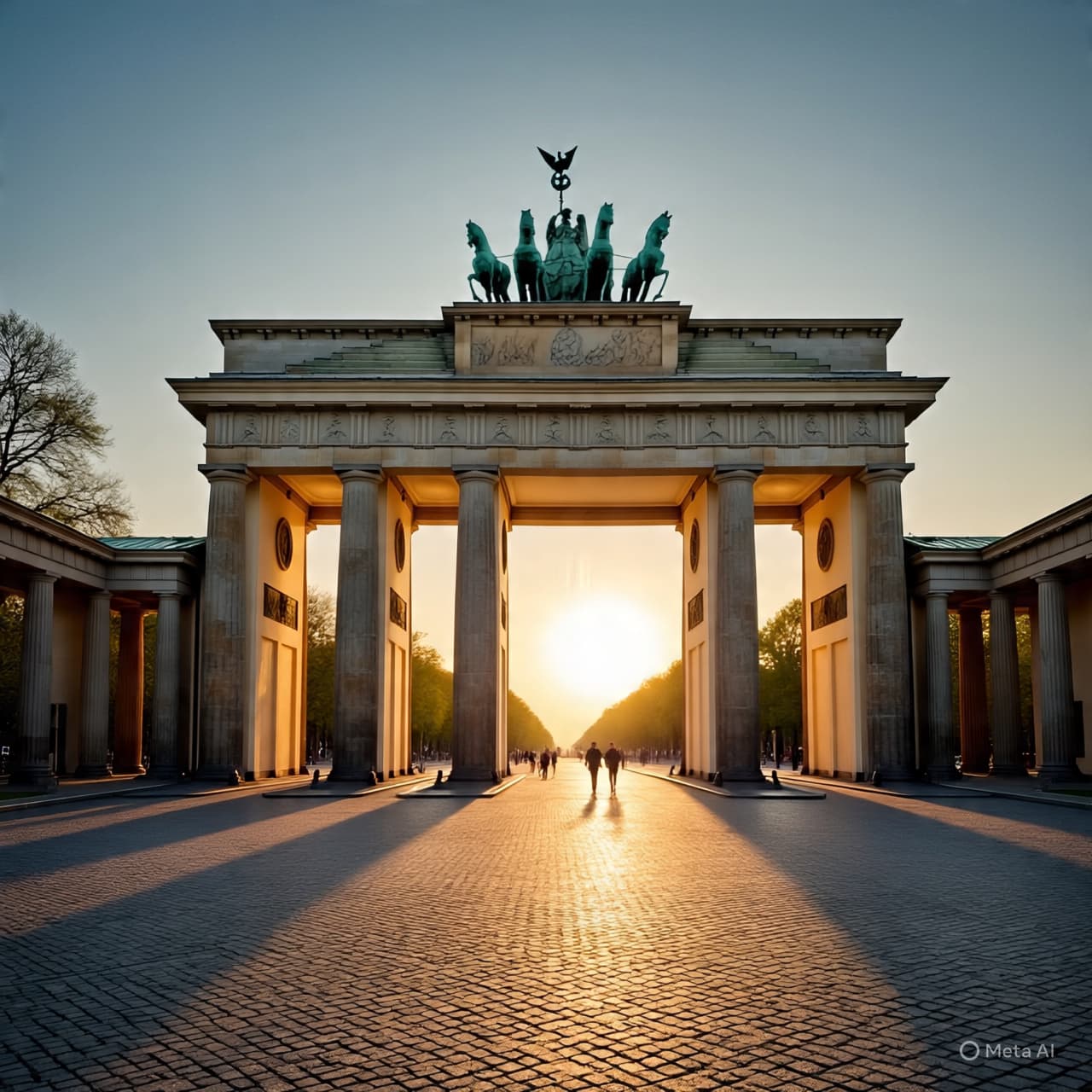
In early spring, Berlin exudes a serene atmosphere, with sunlight glistening on the wet cobblestones and the rustling leaves of plane trees signaling renewal. Cafés near the Tiergarten are filled with patrons sipping coffee, seemingly oblivious to the distant echoes of gunfire and diplomatic negotiations that are beginning to shape their world. This urban tranquility contrasts sharply with the looming threat of conflict, which feels almost surreal, yet its implications are being felt in the corridors of power.
Recently, Germany's President Frank-Walter Steinmeier made headlines with his candid remarks regarding the ongoing war involving the United States, Israel, and Iran. He described the conflict as a "disastrous mistake," a statement that broke from the usual diplomatic decorum European leaders maintain when discussing the actions of allies. Steinmeier's comments not only expressed discontent with the military strategy but also invoked legal and moral principles, suggesting that the war violates international law and disrupts Germany's long-standing partnership with the United States.
For observers of European politics, Steinmeier's rebuke is significant, reflecting a growing unease within Germany about its role in global affairs. Historically, Germany has navigated a cautious path, balancing solidarity with allies against adherence to postwar diplomatic frameworks. By likening the current rift over the Iran conflict to the fallout from Russia's invasion of Ukraine in 2022, Steinmeier's remarks resonate deeply, highlighting concerns about transatlantic trust and the integrity of shared institutions.
Chancellor Friedrich Merz, while aligned with many European partners in advocating for restraint and diplomacy, has refrained from echoing Steinmeier's sharp critique. His government continues to support allied security concerns while emphasizing the importance of negotiation and de-escalation. Other European capitals, including Paris, London, and Madrid, have also expressed their critiques regarding the legality and consequences of the conflict, creating a complex landscape of consensus and divergence on how to respond to a war that has not only reshaped the Middle East but also altered the dynamics among Western powers.
In the everyday life of Berlin, where street musicians perform beneath railway arches and families stroll along the Spree, the weight of geopolitics often feels distant. Yet, Steinmeier's remarks serve as a mirror reflecting broader questions about shared values, legal norms, and the limits of alliances. As officials in Bonn and Brussels deliberate on these issues, life continues in Berlin, reminding us that public policy and private life exist in parallel, each influencing the other.
Steinmeier's statements mark a rare public challenge to U.S. policy from a key NATO member, underscoring the strains in transatlantic relations and igniting discussions about international law, alliance cohesion, and Europe's role in shaping the global order. Whether these reflections will lead to substantive policy changes or remain expressions of personal and national perspectives will depend on the responses of both leaders and citizens in the coming days.
Published by Banx Network. This article is part of the Banx decentralized media programme, powered by the BXE token on the XRP Ledger.



