
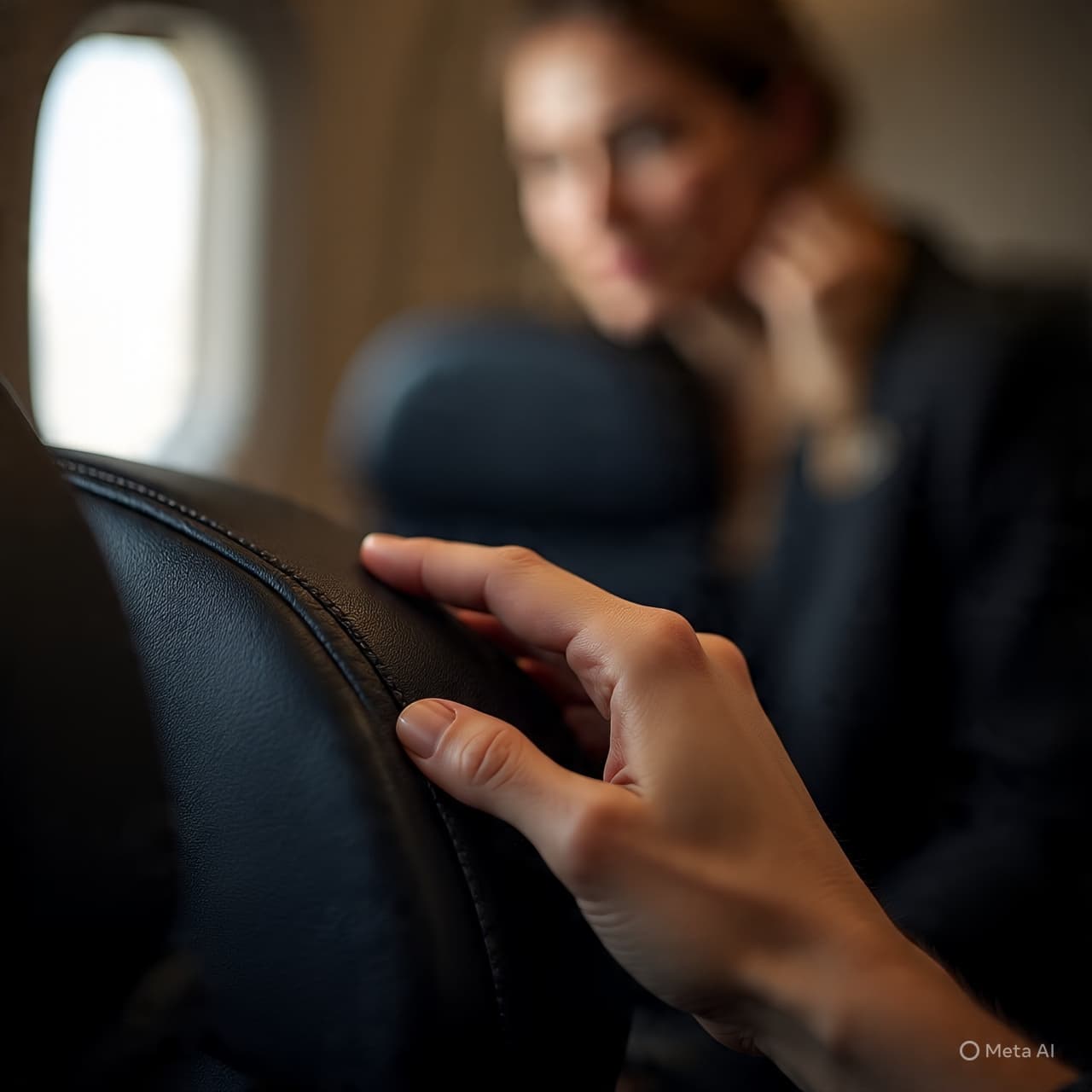
Key Highlights
- Over 170 investigations into sexual assaults on flights were opened last year.
- Many incidents go unreported, reflecting a significant undercount of actual cases.
- Flight attendants face challenges in addressing these incidents due to lack of clear procedures.
The atmosphere inside an airplane can shift dramatically once the cabin lights dim. What begins as a serene environment, filled with the hum of engines and the anticipation of travel, can quickly transform into a space of vulnerability and fear. Recent investigations have shed light on a troubling trend: a significant rise in sexual assaults aboard commercial flights. Federal authorities reported over 170 investigations in the past year alone, marking an alarming increase from previous years. However, experts believe this figure only scratches the surface of a much larger issue.
Many of these incidents occur during long flights, often in the dim light of the cabin when passengers are fatigued and may have consumed alcohol. Victims recount experiences of disbelief and shock, often feeling trapped in a confined space where escape is not an option. The isolation of being at cruising altitude can amplify the trauma, leaving victims to grapple with their experiences until they land, when they can finally seek help.
The lack of comprehensive reporting mechanisms complicates the situation further. Airline systems and law enforcement agencies frequently operate in silos, leading to gaps in data sharing and reporting. Without a unified approach to documenting these incidents, many cases remain unreported or are logged informally, creating a second layer of silence for victims. This lack of transparency not only hinders accountability but also perpetuates a culture of silence around the issue.
Flight attendants play a crucial role in addressing these incidents, often being the first to hear reports from passengers. They are trained to intervene and provide support, but they also face limitations. The tension between maintaining a calm atmosphere and responding to distressing situations can be challenging. Many flight attendants express frustration over the absence of clear procedures and follow-up protocols, which can lead to recurring patterns of behavior that go unnoticed by the public.
Beneath the technical discussions about reporting systems lies a deeper reckoning about trust and vulnerability in air travel. The airplane, once a symbol of freedom and adventure, can quickly become a site of confinement and fear. Passengers who board expecting a routine journey may find themselves entangled in a narrative they never intended to join.
As flights land and passengers disembark, the unease lingers long after the engines have quieted. The gap between what occurs at 30,000 feet and the acknowledgment of those experiences on the ground highlights the urgent need for change in how the aviation industry addresses these critical issues. The challenge remains: how to transform the silence of the cabin into a call for action that ensures safety and support for all travelers.
Published by Banx Network. This article is part of the Banx decentralized media programme, powered by the BXE token on the XRP Ledger.



