The promise of bioplastics has long been a beacon of hope in the fight against plastic pollution, offering a vision of materials that return to the earth rather than persisting for centuries. Yet, for many consumers, the reality of composting polylactic acid (PLA) has been fraught with confusion and logistical hurdles, as these materials often require industrial facilities to decompose effectively. A recent breakthrough suggests that this barrier may soon be lowered, bringing the power of decomposition closer to home through a simple yet innovative addition.
Researchers have discovered that adding trace amounts of a specific enzyme-enhancing additive to PLA plastics can significantly accelerate their breakdown in home composting environments. This development addresses one of the most persistent criticisms of bioplastics: the misconception that they will decompose quickly in any setting. In reality, standard PLA requires high temperatures and controlled conditions found only in industrial composters, leaving many well-intentioned consumers with plastics that linger in their backyard bins just like conventional waste.
The new additive works by lowering the activation energy required for hydrolysis, the chemical process that breaks down the polymer chains. By incorporating this substance during the manufacturing process, producers can create PLA products that are more responsive to the milder conditions of home compost piles. This shift could transform how households manage waste, turning kitchen scraps and packaging into nutrient-rich soil without the need for specialized collection services.
Early trials indicate that treated PLA items can decompose within a few months under typical backyard conditions, a stark contrast to the years it might take otherwise. This speed is crucial for encouraging wider adoption, as convenience is a key driver of consumer behavior. If people can see tangible results in their own gardens, trust in bioplastic labels is likely to grow, reducing contamination in recycling streams.
However, the implementation of this technology raises questions about standardization and labeling. Clear communication will be essential to ensure that consumers know which products are treated and how to compost them correctly. Misunderstandings could still lead to improper disposal, so educational campaigns must accompany the rollout of these enhanced materials. Industry stakeholders are working with regulatory bodies to develop clear guidelines for this new category of compostable plastics.
Environmental advocates welcome the innovation but caution that it is not a silver bullet. Reduction and reuse remain the most effective strategies for managing waste, and biodegradability should not encourage excessive consumption. Nevertheless, for items that must be single-use, such as food packaging, having a viable end-of-life solution at the household level is a significant step forward.
The economic implications are also promising, as home-compostable plastics could reduce the burden on municipal waste management systems. By diverting organic waste and compatible plastics from landfills, communities can lower greenhouse gas emissions associated with decomposition in anaerobic environments. This local approach aligns with broader goals of circular economy principles, keeping resources in use for as long as possible.
The introduction of trace additives to boost PLA breakdown represents a practical evolution in sustainable materials. By bridging the gap between industrial capability and household practice, this innovation empowers individuals to play a more active role in reducing plastic waste, one compost pile at a time.
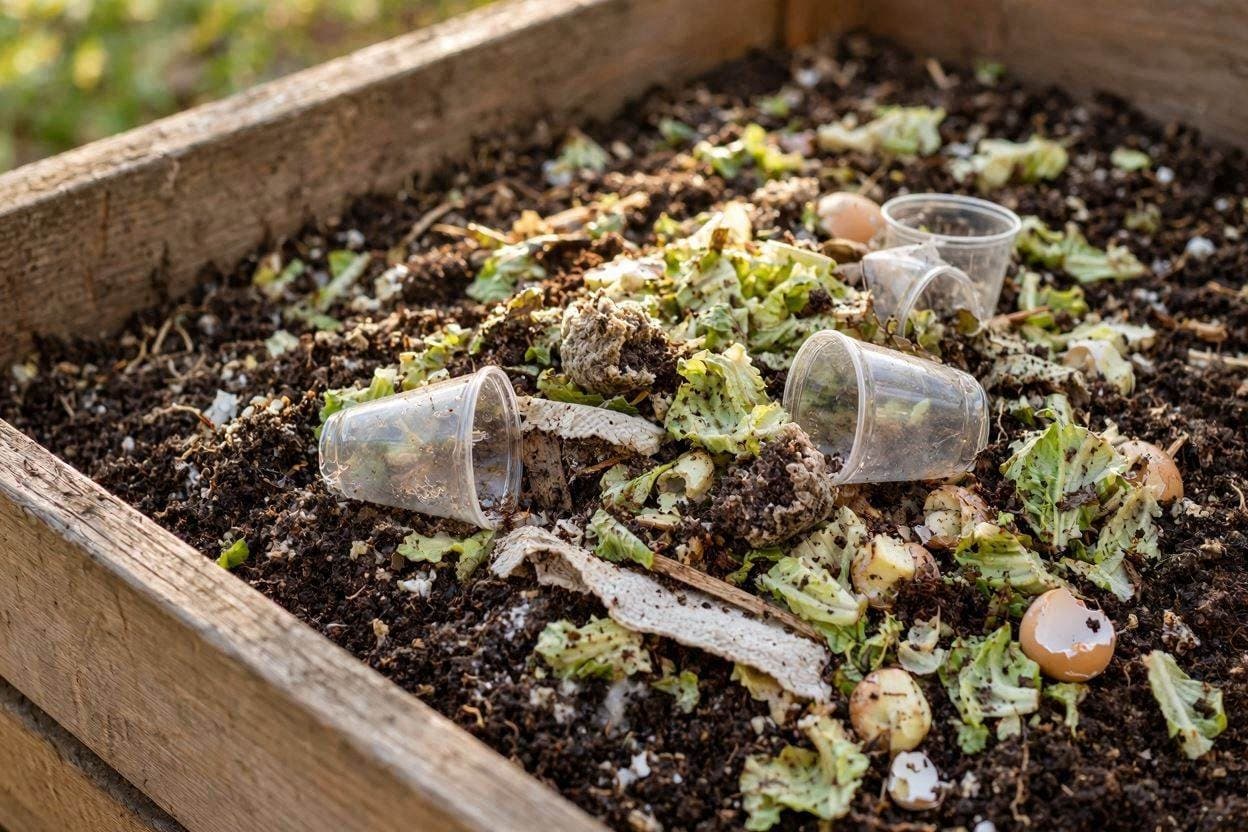
AI Image Disclaimer: The visuals accompanying this article are AI-generated illustrations designed to represent the themes of biodegradation and sustainable home practices.
Sources: Science Daily, Nature Sustainability, GreenBiz, Chemical & Engineering News
Published by Banx Network. This article is part of the Banx decentralized media programme, powered by the BXE token on the XRP Ledger.