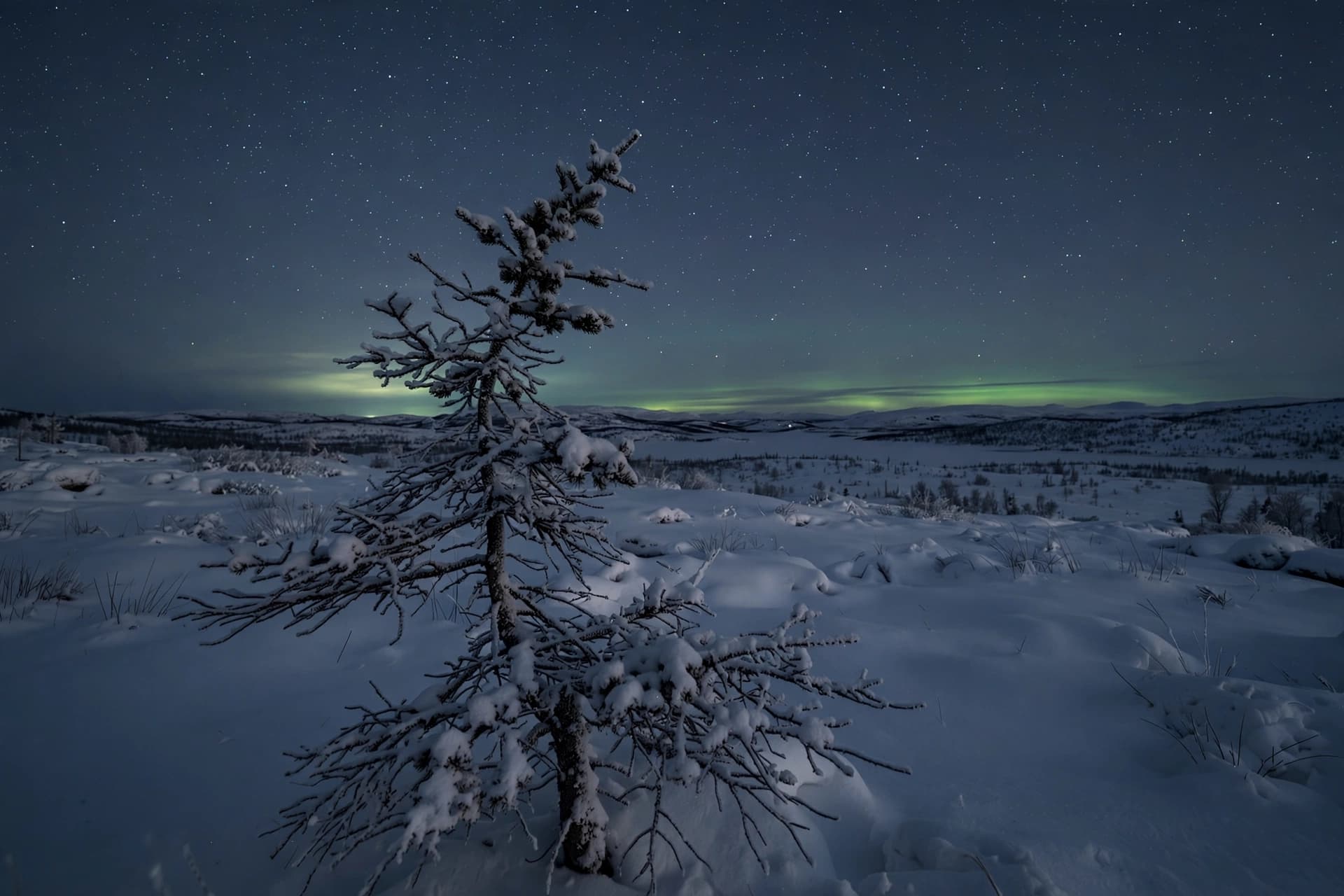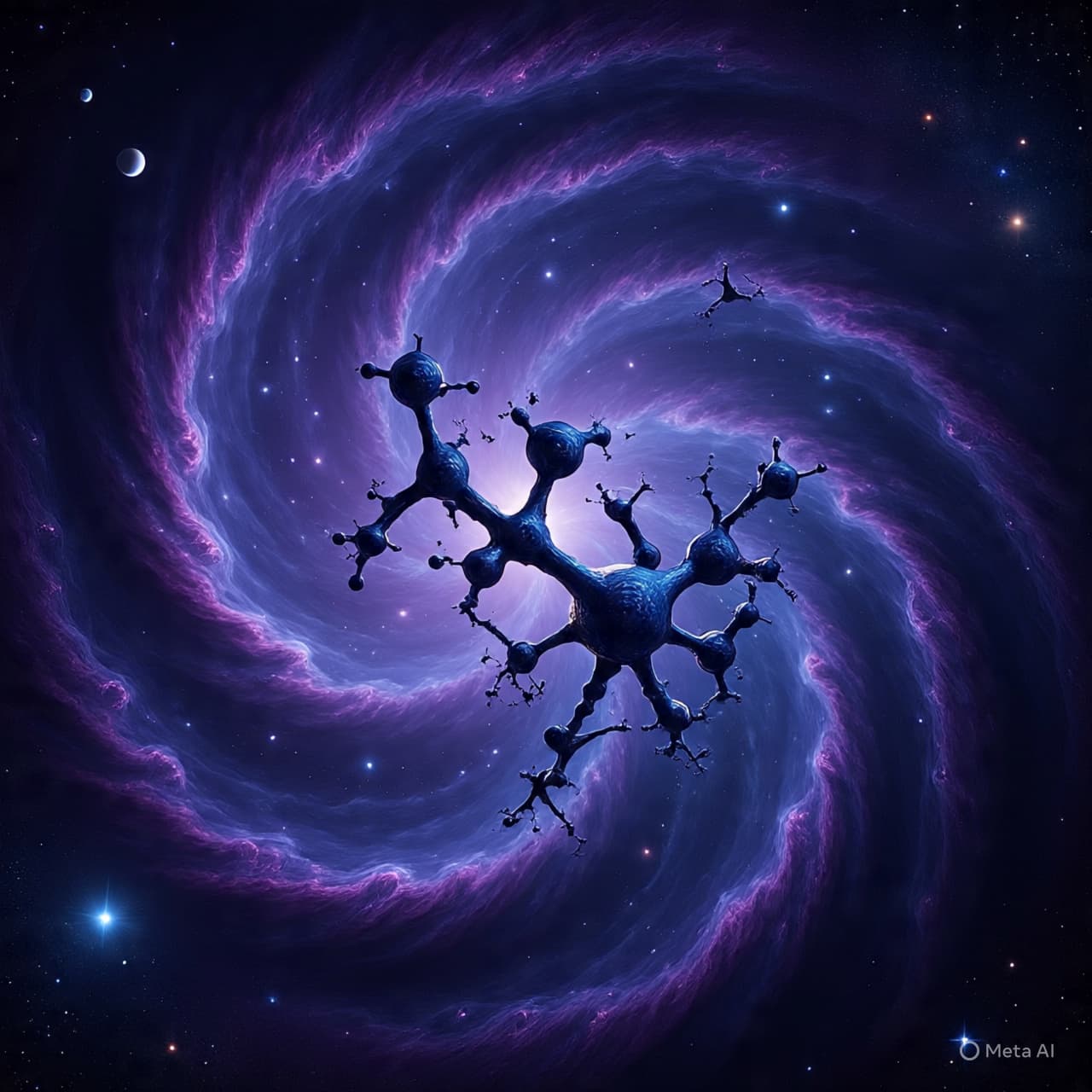
There are objects that pass through the solar system without belonging to it, travelers shaped elsewhere, carrying with them the quiet imprint of distant conditions. They arrive without announcement, following paths that do not repeat, offering only a brief interval in which to be observed before continuing outward again, back into the wider darkness between stars.
One such object, designated 3I/ATLAS, has drawn attention not only for its origin beyond the solar system, but for what it appears to carry within its composition. Through careful observation, scientists have identified an unusual isotopic signature in methane associated with the object—specifically, an enriched ratio of deuterium to hydrogen, often expressed as D/H. This subtle imbalance, measured at the molecular level, provides a kind of chemical memory, reflecting the environment in which the material first formed.
Isotopes, though nearly identical in structure, differ slightly in mass, and this difference can leave lasting traces in how molecules behave and persist. In the case of methane, a higher proportion of deuterium suggests formation under colder conditions, where chemical processes favor the incorporation of heavier isotopes. Such environments are typically associated with the deep, frigid regions of interstellar space, far removed from the warmer zones where many solar system bodies originated.
The detection of this enriched D/H ratio offers a glimpse into that distant setting. It suggests that at least part of the material within 3I/ATLAS formed in a region where temperatures were low enough to alter the balance of isotopes in a measurable way. In this sense, the object becomes more than a passing body; it becomes a record, preserving conditions that existed long before it entered the vicinity of the Sun.
Observations of interstellar objects remain rare, limited by both their scarcity and the brief windows in which they can be studied. Each detection adds to a small but growing collection of data, allowing scientists to compare materials formed in different stellar systems. The presence of methane with a distinct isotopic signature contributes to this emerging picture, offering clues about how organic molecules form and evolve beyond the boundaries of our own solar environment.
There is a certain quiet continuity in this line of inquiry. Organic molecules such as methane are not unique to any one place; they are part of a broader chemical language shared across the galaxy. Yet their specific compositions, shaped by local conditions, carry variations that can be read like accents—subtle differences that reveal where they have been.
For researchers, the significance lies not only in the measurement itself, but in what it suggests about the diversity of planetary systems. If objects like 3I/ATLAS can carry distinct isotopic signatures, then each passing visitor may offer a different perspective on how matter is assembled elsewhere. Over time, these fragments of evidence may begin to outline a more detailed understanding of the processes that govern star and planet formation across the galaxy.
Scientists report that methane associated with the interstellar object 3I/ATLAS shows an enriched deuterium-to-hydrogen ratio, indicating formation in cold interstellar environments. The findings contribute to ongoing research into the chemical composition of materials originating beyond the solar system.
AI Image Disclaimer
This visual content is AI-generated to support understanding and does not represent actual imagery.
Source Check (verified coverage exists): Nature, Science, BBC News, Reuters, The Guardian
Published by Banx Network. This article is part of the Banx decentralized media programme, powered by the BXE token on the XRP Ledger.