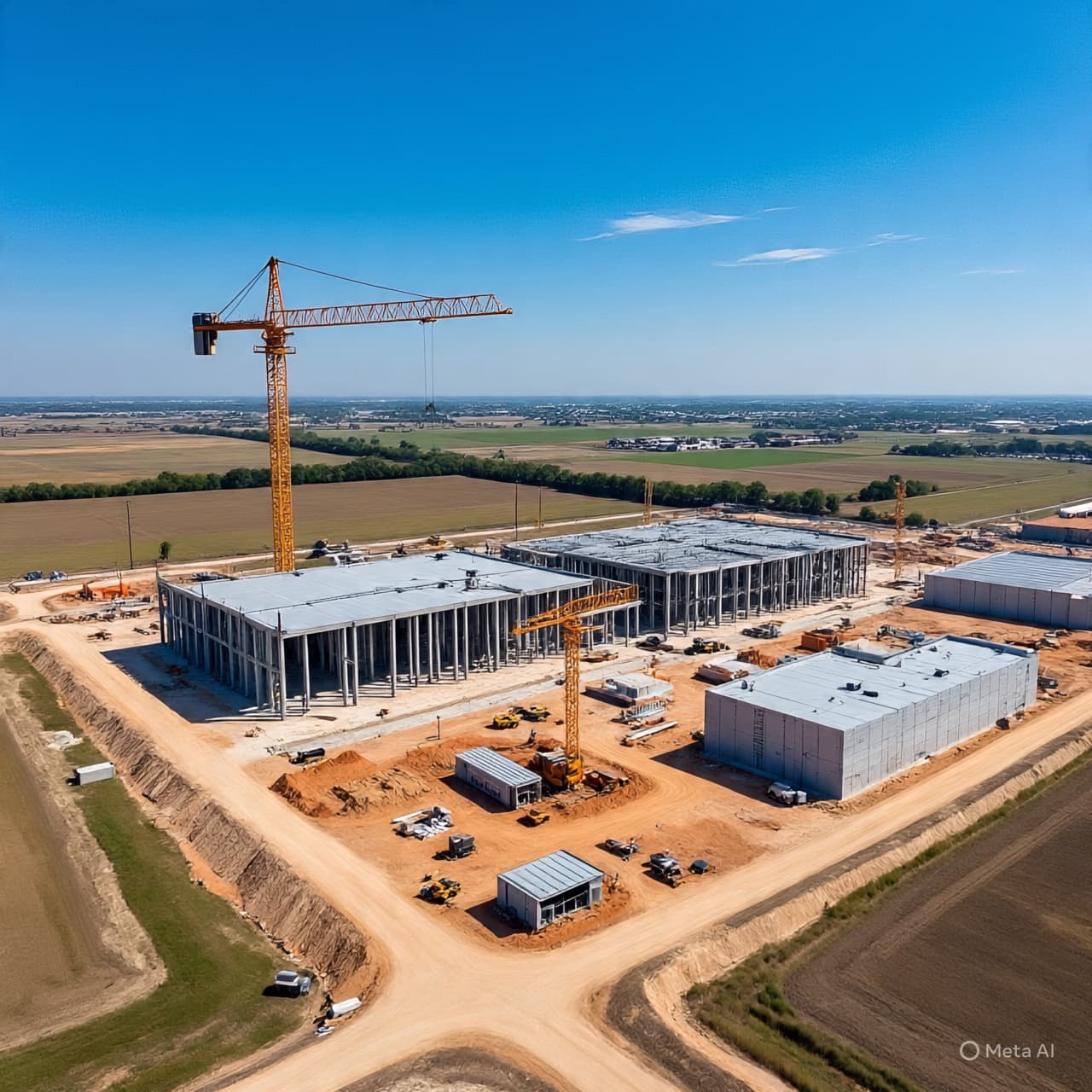
In the flat expanse of the American South, where highways stretch past timberland and river ports, a new kind of infrastructure is taking shape. Steel frames and cooling towers are becoming as central to economic development as rail spurs once were.
Amazon announced plans to invest $12 billion in its first data center campuses in Louisiana, marking a significant expansion of its cloud and digital infrastructure footprint in the region. The multibillion-dollar commitment reflects continued growth in demand for cloud computing, artificial intelligence workloads, and enterprise data services.
Large-scale data center campuses typically involve phased construction over several years, encompassing multiple server buildings, power substations, cooling systems, and fiber connectivity. Such projects represent long-term capital deployments rather than short-term buildouts, often designed to operate for decades.
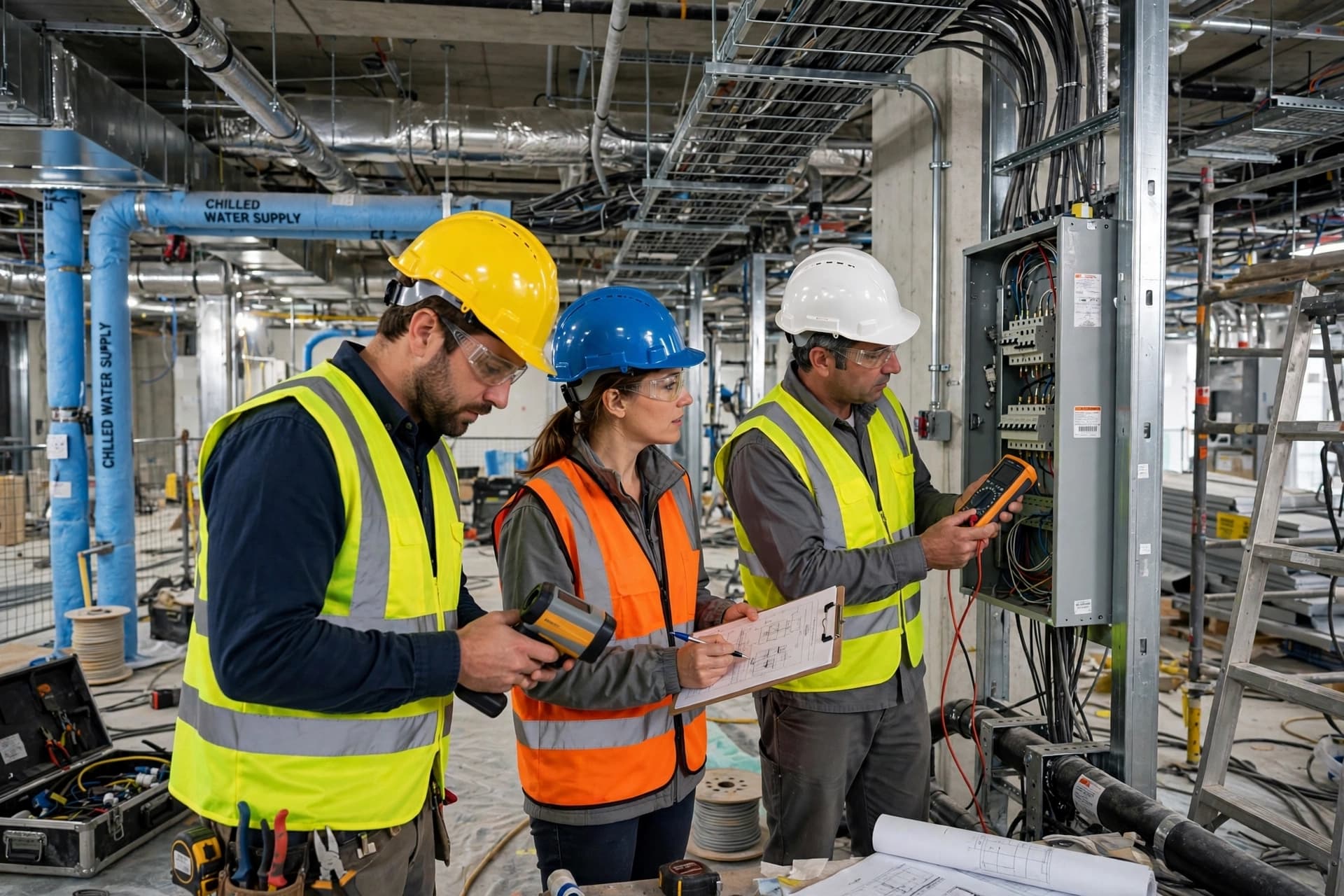
For Louisiana, the investment signals diversification in a state historically associated with energy production, petrochemicals, and shipping. Technology infrastructure projects can reshape local labor markets, introducing demand for electrical engineers, IT specialists, mechanical technicians, construction workers, and facility operators.
Data centers require substantial and reliable energy supplies, placing coordination with local utilities at the forefront of planning. Companies often negotiate renewable energy agreements or infrastructure upgrades to meet both capacity needs and sustainability commitments.
Beyond direct employment, economic development officials typically emphasize secondary effects: supplier contracts, local service growth, tax revenue contributions, and workforce training initiatives. Construction phases alone can employ thousands of workers over multiple years.
Amazon has steadily expanded its data center network across the United States and globally to support cloud computing services, streaming platforms, logistics operations, and increasingly AI-driven applications. As businesses and governments migrate workloads to the cloud, the scale of physical infrastructure required continues to rise.
The $12 billion figure underscores the capital intensity of digital ecosystems. While cloud services feel intangible to end users, they depend on vast facilities housing servers, networking hardware, and advanced cooling systems operating around the clock.
For Louisiana, the project represents both economic opportunity and logistical complexity — from grid reliability to environmental considerations. For Amazon, it marks another strategic node in an expanding digital backbone.
As cranes move into position and ground is prepared for construction, the investment stands as a reminder that the future of computing is built not only in code, but in concrete and steel.
AI Image Disclaimer
Images are AI-generated and for illustrative purposes only.
Published by Banx Network. This article is part of the Banx decentralized media programme, powered by the BXE token on the XRP Ledger.