There are moments in geopolitics when experience becomes currency—when lessons forged in one conflict begin to travel, quietly reshaping alliances far beyond their origin. What was once confined to battlefields can, over time, evolve into something else: a form of knowledge, exchanged not only for strategy, but for survival.
Such a moment is unfolding as Ukraine moves to formalize defense cooperation with Saudi Arabia. At the heart of the agreement lies something both modern and revealing—Ukraine’s hard-earned expertise in countering drones, now offered to a region facing similar threats.
The deal, announced during a recent visit by Volodymyr Zelenskyy, reflects a shift in how Ukraine positions itself on the global stage. No longer only a recipient of military aid, Kyiv is increasingly becoming a provider of specialized knowledge—particularly in air defense and drone warfare, areas refined through years of conflict with Russia.
In practical terms, the cooperation extends beyond formal signatures. Ukrainian experts have already been deployed to Saudi Arabia and other Gulf states, working alongside local forces to strengthen defenses against drone attacks targeting critical infrastructure. Their role is not to fight, but to teach—to translate battlefield experience into systems that can be adapted elsewhere.
This exchange is not one-sided. Ukraine, still navigating the demands of a prolonged war, is seeking financial resources, technological partnerships, and potentially access to advanced air-defense systems in return. The agreement, therefore, becomes a balance of needs—security for one side, sustainability for the other.
The timing adds another layer of meaning. Across the Middle East, drone attacks—many linked to Iranian-designed systems—have become a growing concern, targeting energy facilities and military sites. For Saudi Arabia, strengthening defenses is not abstract planning, but an immediate necessity. For Ukraine, it is an opportunity to extend relevance beyond its own borders.
There is also a quieter transformation embedded within this partnership. Warfare, once defined by scale and hardware, is increasingly shaped by adaptability and innovation. Ukraine’s development of cost-effective interceptor drones and layered defense systems has drawn attention precisely because it reflects this shift—solutions built under pressure, now finding application in entirely different contexts.
Yet, as with many such agreements, the full scope remains fluid. The deal is described as a framework—opening the door to future contracts, deeper technological collaboration, and long-term investment. What it will ultimately become depends on how these initial exchanges evolve in practice.
For now, the significance lies in the direction of movement. Ukraine is no longer positioned solely at the receiving end of global support, but increasingly as a contributor to it—offering knowledge shaped by conflict to partners navigating their own uncertainties.
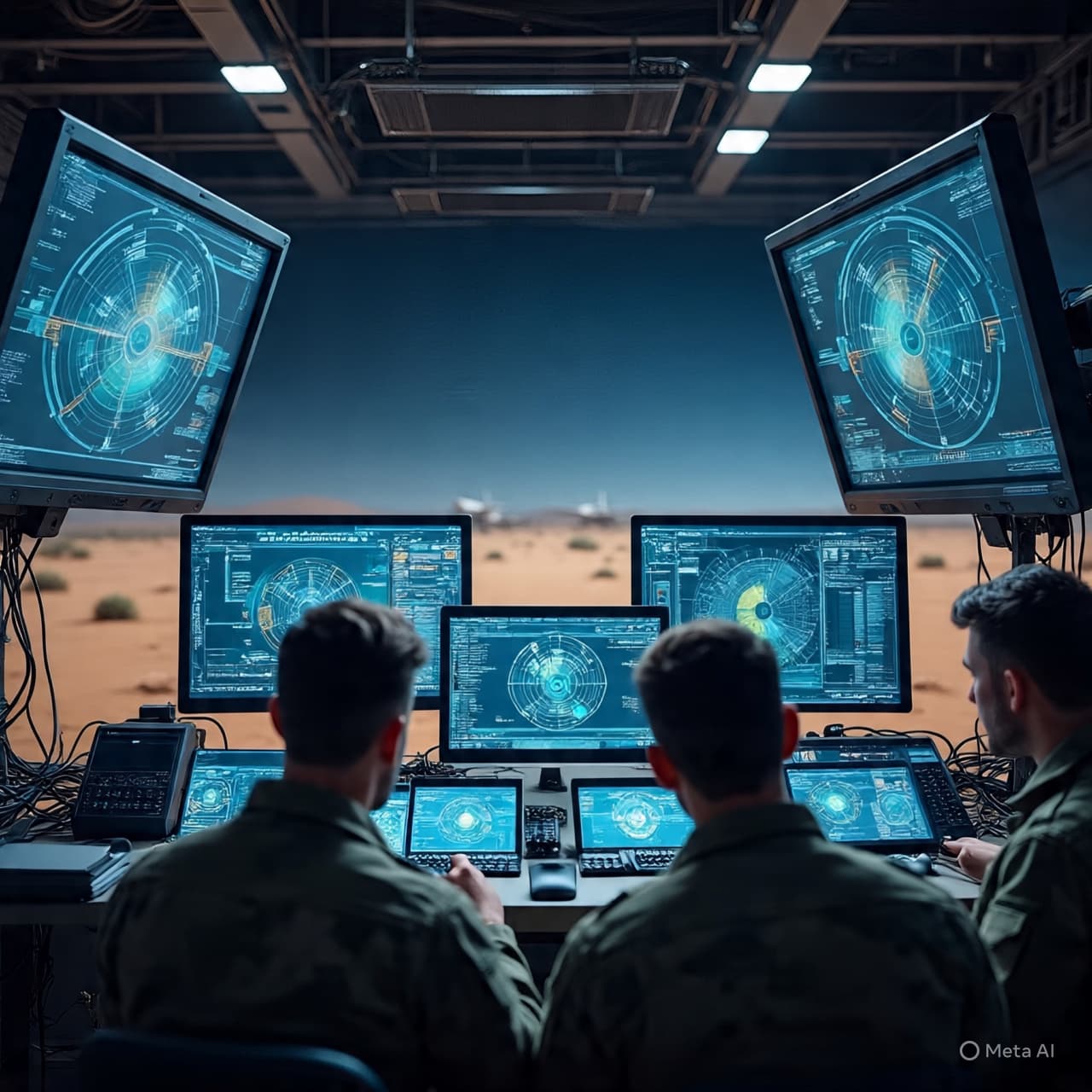
AI Image Disclaimer Images in this article are AI-generated illustrations, meant for concept only.
Source Check Credible coverage exists from:
Reuters Associated Press Bloomberg The Wall Street Journal Business Insider
Published by Banx Network. This article is part of the Banx decentralized media programme, powered by the BXE token on the XRP Ledger.