Some agreements are written in ink, others in careful contracts reviewed by lawyers under office lights. And then there are the quieter ones—formed across wooden tables, beneath low ceilings, with the murmur of conversation blending into background music. In certain places, decisions take shape in the space between a raised glass and a firm handshake.
This is the story of a builder who purchased a cave through what has been described as a handshake agreement made inside a pub. The transaction, informal in its origin, reflects a moment where trust preceded paperwork, and conversation became commitment. In a time when most property transfers move through layers of documentation, the simplicity of the arrangement stands out.
The cave itself—naturally formed, carved by time rather than tools—represents a kind of property that invites imagination as much as investment. Caves have long held multiple meanings: shelter, storage, creative space, or even architectural foundation. For a builder, such a structure may offer possibilities that range from renovation to preservation, depending on local regulations and environmental considerations.
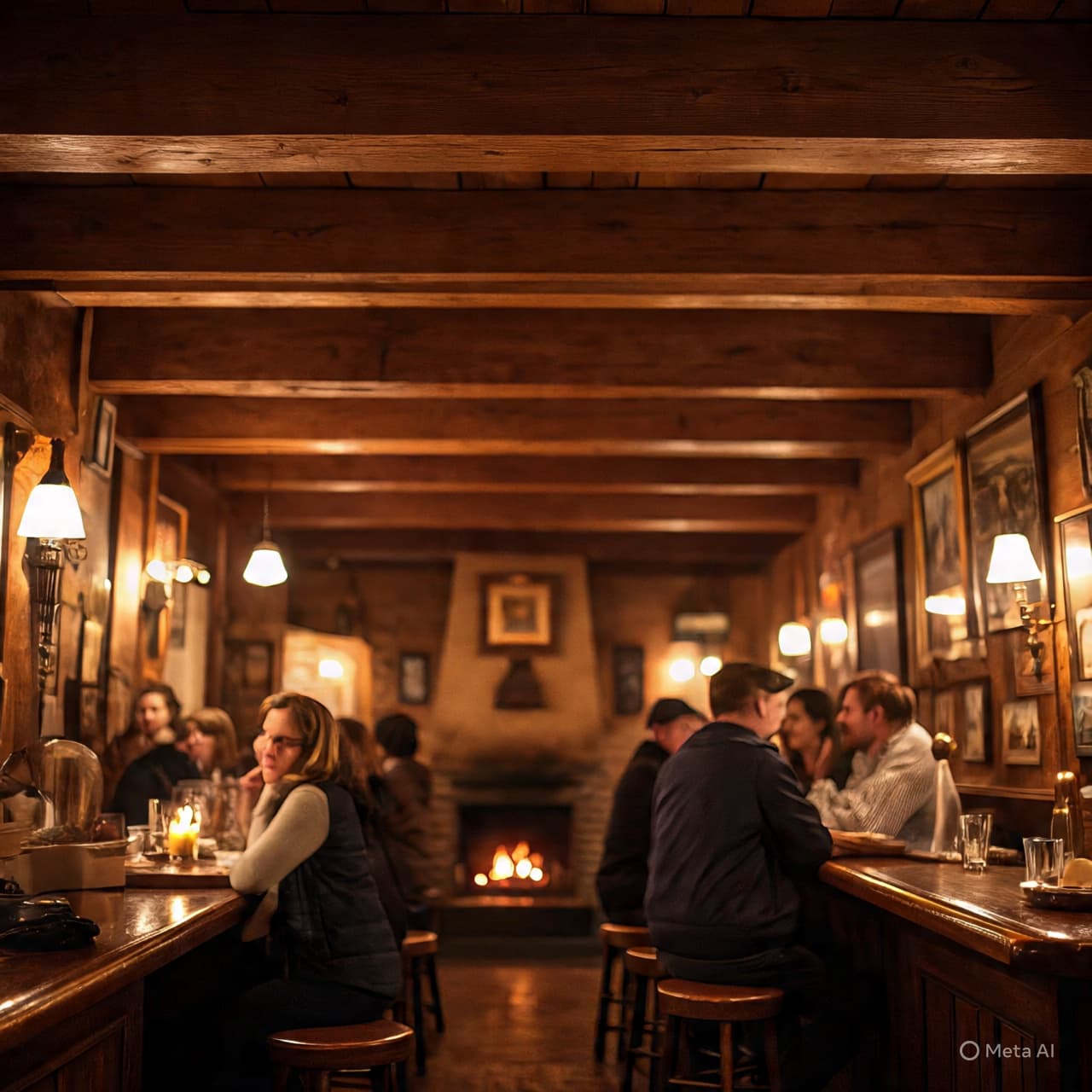
The handshake deal reportedly occurred in a pub, a setting historically associated with community exchange. Public houses have often functioned as informal meeting grounds, where neighbors discuss plans, resolve matters, and share ideas. In this case, the pub became the backdrop for an understanding that later drew attention because of its unconventional nature.
While informal agreements can carry a sense of immediacy and mutual confidence, property transactions typically require formal documentation to ensure legal clarity. Land ownership laws, zoning regulations, and environmental protections often shape what can be done with natural features such as caves. The transition from handshake to official record would depend on local legal systems and administrative procedures.
Builders and developers frequently encounter sites that require careful assessment. Structural integrity, safety standards, and ecological impact studies are common considerations before any modification. A cave, in particular, may involve geological evaluation to determine stability, accessibility, and compliance with conservation rules.
The appeal of such a purchase may lie in its uniqueness. Unlike conventional plots of land, a cave carries its own contours and history. It may be embedded within a landscape that already holds significance for the surrounding community. Transforming it into a usable space—whether for storage, residence, or business—would likely require planning permissions and consultation with relevant authorities.
The handshake agreement, though informal in origin, underscores an enduring human tradition: trust as the foundation of exchange. Across centuries, markets and communities relied on verbal commitments before formal systems became standard. Today, however, such arrangements typically serve as preliminary understandings, followed by written contracts to confirm terms.
As details of the story circulate, attention often turns to how informal deals are translated into legally binding documentation. In modern property transactions, the sequence usually involves due diligence, title verification, and registration with appropriate agencies. Whether this particular cave purchase has moved through those stages would depend on the specific jurisdiction’s requirements.
Beyond the novelty of the setting, the story also reflects broader themes in real estate: unconventional spaces finding new purpose, and individuals pursuing distinctive visions. The image of a cave purchased in a pub suggests a narrative shaped as much by atmosphere as by architecture—a reminder that transactions sometimes begin in conversation long before they appear in official records.
In the end, the cave stands as stone and space—waiting for intention to define its future. The handshake remains a symbol of agreement, but the practical life of the property will depend on the formal steps that follow. Between the warmth of a pub and the cool interior of rock lies a journey from gesture to governance, from promise to paper.
AI Image Disclaimer Visual materials are AI-generated and serve as conceptual representations rather than actual photographs.
Sources BBC News Reuters The Guardian Associated Press Local property registry reports
Published by Banx Network. This article is part of the Banx decentralized media programme, powered by the BXE token on the XRP Ledger.