
Key Highlights
- Rumen Radev's party leads in Bulgaria's parliamentary elections.
- The election reflects ongoing political fragmentation and coalition-building.
- Economic pressures and corruption remain key issues for voters.
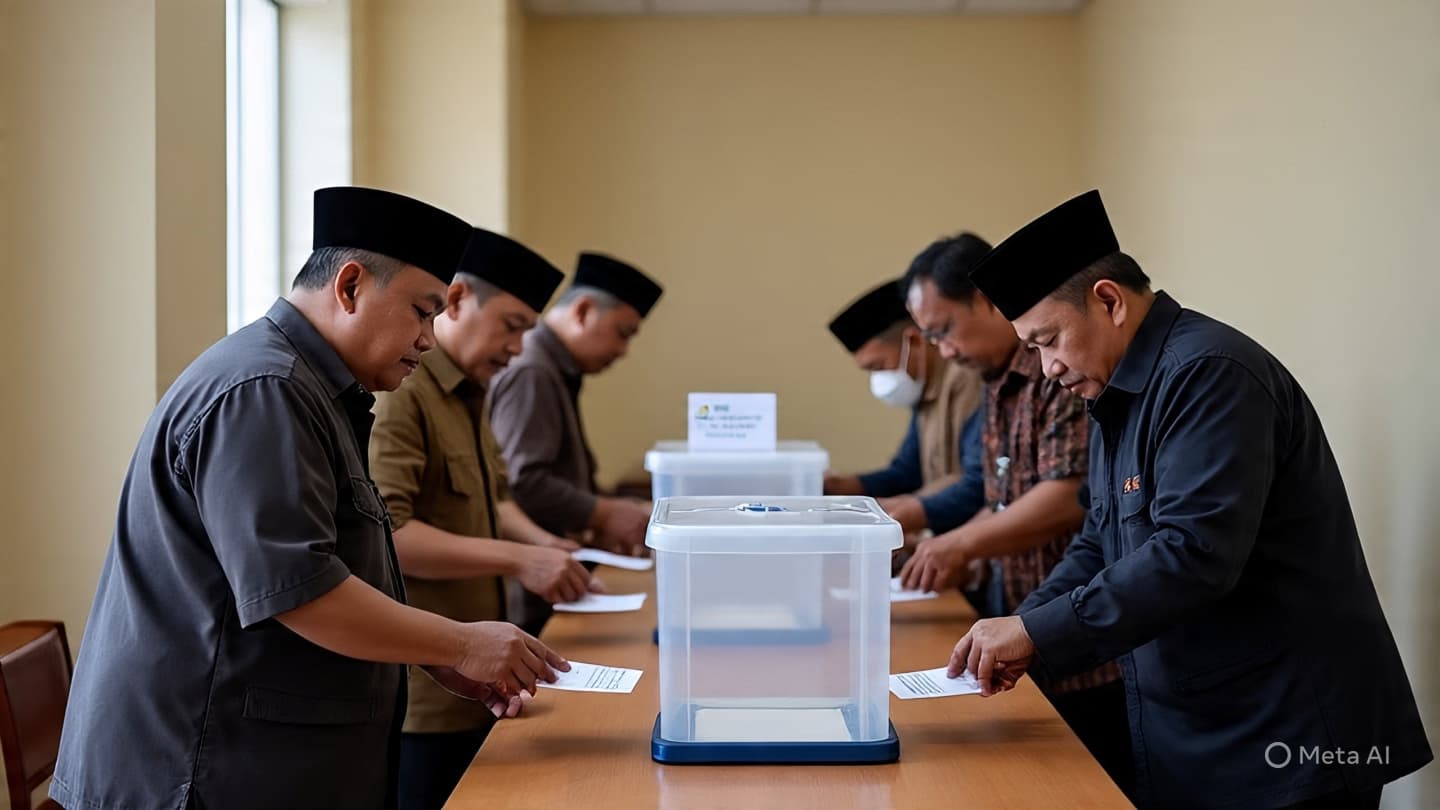
Bulgaria's mornings often unfold with a serene rhythm, where the light gradually settles over tiled roofs and the sounds of daily life emerge from bustling cafés. This tranquility extends to the electoral process, which unfolds not as a singular event but as a gradual accumulation of choices that shape the nation’s future. In the latest parliamentary elections, this accumulation has taken a decisive turn, with a party aligned with President Rumen Radev emerging at the forefront.
The recent election results signify a pivotal moment in Bulgaria's political landscape, characterized by a history of fragmentation and repeated electoral cycles. Radev, a prominent figure in Bulgarian politics, has seen his influence grow as he navigates the complexities of governance and reform. The electoral outcome has strengthened his political orbit, even as the distribution of power remains spread across various institutions.
Observers note that the election unfolded against a backdrop of familiar concerns, including economic pressures, corruption, and Bulgaria's positioning within the European Union. These themes resonate deeply with citizens, impacting their daily lives through rising costs and the demand for effective governance. The results reflect not just a shift in power but also the ongoing challenges that the new government will face in addressing these pressing issues.
Radev's political ascent has been shaped by public dissent and calls for greater transparency, leading to a subtle rebalancing of power between the presidency and parliament. While the presidency in Bulgaria holds a distinct constitutional role, the alignment of parliamentary strength with a presidential figure introduces a new dynamic that will require careful negotiation and coalition-building.
As the dust settles on the election results, attention now shifts to the formation of a government and the negotiation of coalitions. Bulgaria's recent political history suggests that this phase can be as crucial as the electoral process itself, where clarity is sought through dialogue rather than merely through numbers. The path ahead will be defined by how effectively the new government can translate electoral momentum into actionable policies that resonate with the electorate.
In conclusion, the outcome of the recent parliamentary elections in Bulgaria marks a significant moment in the country's political journey. A party associated with Rumen Radev has secured a leading position, setting the stage for coalition talks and a new chapter in Bulgaria's political narrative. As the morning continues in Bulgaria, the future unfolds quietly yet steadily, shaped by the decisions made in the coming days and weeks.
Published by Banx Network. This article is part of the Banx decentralized media programme, powered by the BXE token on the XRP Ledger.



