In the shifting sands of American politics, where fortunes can change with a single poll or headline, the Republican Party finds itself facing a challenging horizon. As the 2026 midterm elections approach, analysts describe the GOP’s outlook as deteriorating from merely difficult to potentially disastrous. This sentiment, captured in the blunt term "craptastic," reflects growing concerns about voter sentiment, economic pressures, and internal party dynamics that threaten to undermine their electoral prospects.
Recent polling data indicates that Republicans are struggling to maintain support among key demographics. Issues such as inflation, healthcare, and social policies have become flashpoints, driving some moderate voters toward the opposition. The party’s base remains loyal, but the broader electorate appears increasingly skeptical of their ability to govern effectively in a complex global landscape.
The term "craptastic," though informal, underscores the severity of the situation. It suggests a convergence of negative factors that are difficult to reverse in the short term. From candidate quality to messaging failures, the GOP faces multiple hurdles that require strategic innovation and cohesive leadership. Without significant adjustments, the party risks losing ground in both the House and Senate.
Economic conditions play a central role in this downturn. While some indicators show stability, many Americans feel the pinch of rising costs and uncertain job markets. This economic anxiety often translates into political dissatisfaction, punishing the party in power. For Republicans, who hold significant influence in many states, this presents a formidable challenge in defending their positions.
Internal divisions within the party further complicate the picture. Debates over ideology, strategy, and leadership have created fractures that weaken overall unity. These disagreements make it harder to present a coherent platform to voters, who often seek clarity and consistency in their political choices. Bridging these gaps will be essential for any chance of recovery.
Despite these challenges, there are opportunities for renewal. Grassroots movements, local successes, and emerging leaders offer pathways for revitalization. By focusing on community engagement and practical solutions, the GOP can rebuild trust and reconnect with voters who feel disconnected from national politics. The midterms serve as a test of this potential.
Historical precedents show that parties can bounce back from low points through adaptation and resilience. The current slump, while severe, is not necessarily fatal. It serves as a catalyst for introspection and reform, prompting leaders to reevaluate their approaches and priorities. The coming months will be critical in determining whether this transformation occurs.
As the 2026 elections draw nearer, the Republican Party stands at a crossroads. The path forward requires honesty, agility, and a renewed commitment to serving the public interest. Whether the outlook improves depends on the ability of leaders to address the root causes of discontent and offer a compelling vision for the future.
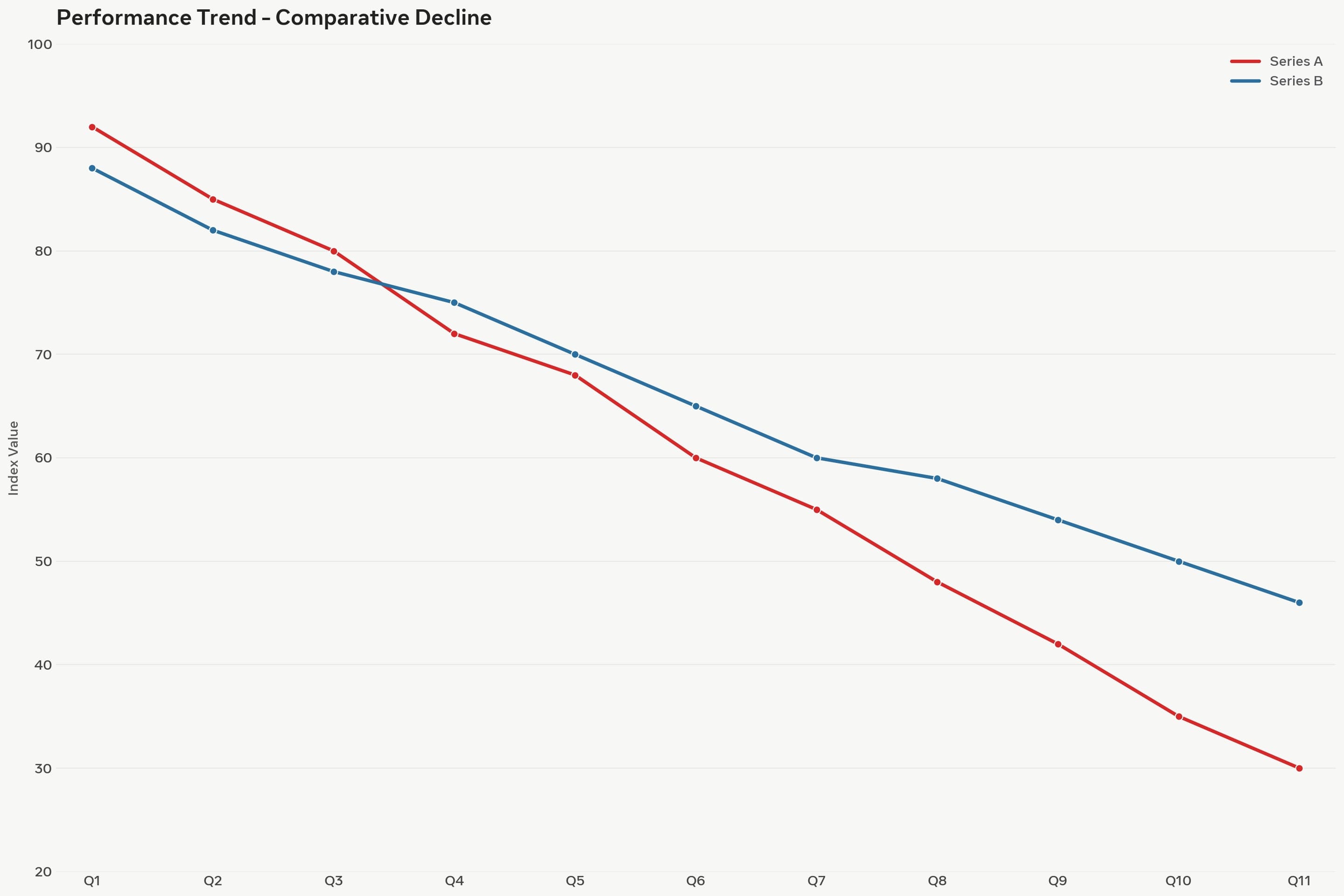
AI Image Disclaimer: Images accompanying this text are AI-generated symbolic representations of political trends and electoral analysis, not actual photographs of specific politicians or events.
Sources: Axios Washington Examiner NBC News Politico Cook Political Report
Published by Banx Network. This article is part of the Banx decentralized media programme, powered by the BXE token on the XRP Ledger.