
Key Highlights
- A rabbi's visit to Auschwitz coincided with a stabbing incident in Golders Green.
- The attack has raised concerns within the Jewish community in London.
- Community leaders emphasize resilience and vigilance in the face of fear.
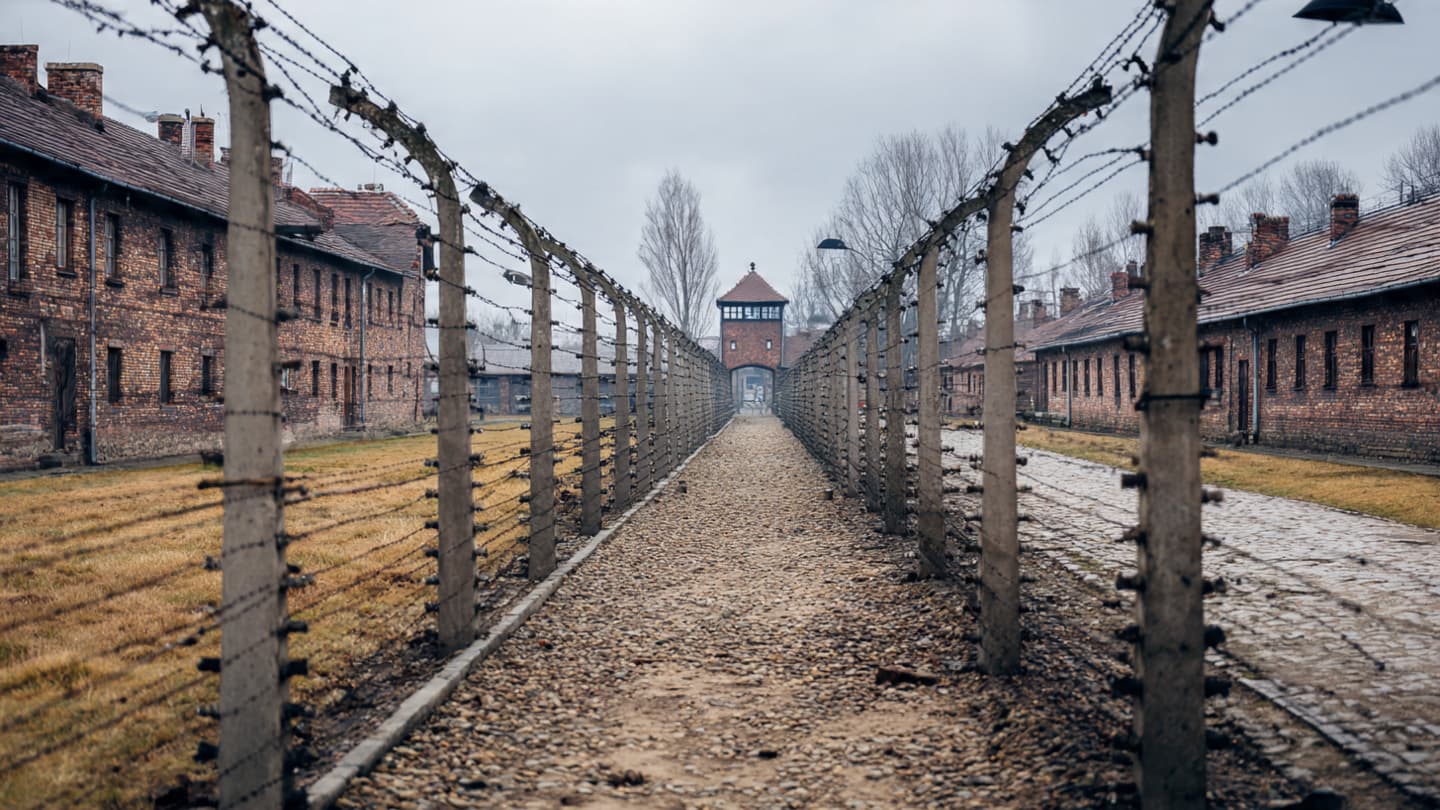
[Context of the Incident] The recent stabbing in Golders Green, a neighborhood with a significant Jewish population, has sent shockwaves through the community. This incident occurred while a rabbi from the UK was visiting Auschwitz, the infamous concentration camp that stands as a stark reminder of the Holocaust. The juxtaposition of these two locations—one steeped in historical trauma and the other a vibrant community—highlights the ongoing relevance of memory in contemporary society.
[Community Response] In the wake of the attack, local authorities have ramped up security measures, reflecting a commitment to safeguarding the community. Police presence has increased in Golders Green, not as a response to panic but as a reassurance to residents. Community leaders have called for calm, urging members to remain vigilant while continuing their daily lives. The incident has disrupted the usual rhythm of life, but it has also sparked conversations about resilience and the importance of community bonds.
[Reflections from Auschwitz] The rabbi's reflections during his visit to Auschwitz added a profound layer to the narrative. He articulated the dissonance of receiving news of violence while standing in a place that embodies the horrors of the past. His perspective emphasized that history is not merely a series of events confined to time; rather, it resonates in the present, influencing how communities respond to threats. He spoke of resilience as a choice to maintain life and community, rather than succumbing to fear.
[Historical Context] Golders Green has long been a hub for Jewish life in London, with its synagogues, schools, and businesses forming a tight-knit network. The community's history is interwoven with the broader narrative of Jewish resilience in the face of adversity. Incidents like the recent stabbing serve as painful reminders of the fragility of this fabric, yet they also reinforce the community's commitment to continuity and solidarity.
[Broader Implications] The rabbi's insights resonate beyond Golders Green, reflecting a wider pattern of concern across Europe regarding safety and identity within Jewish communities. As anti-Semitic incidents have risen in various forms, the need for vigilance and unity has become increasingly urgent. The rabbi's message underscores that fear should not dictate the community's identity; rather, the act of living fully and openly is a powerful response to adversity.
[Conclusion] As the day at Auschwitz came to a close, the weight of history remained palpable. Yet, in Golders Green, life continued, albeit altered by recent events. The connection between these two places—one defined by memory and the other by present reality—serves as a poignant reminder of the enduring strength of community. The past and present are intertwined, and through acts of resilience, communities can navigate the complexities of memory and identity.
Published by Banx Network. This article is part of the Banx decentralized media programme, powered by the BXE token on the XRP Ledger.



