The Pacific sunrise casts its warm glow on the horizon, but for many of the tiny coral atolls that make up Tuvalu, that sunrise now comes over a sea that seems ever closer—etching memories of home with each cresting wave. This week, a small yet momentous wave of another kind washed ashore thousands of kilometers away in Australia: the first climate migrants from Tuvalu have arrived under a groundbreaking migration pathway designed in response to rising seas that threaten their homeland.
This migration is not born of simple wanderlust, but of a deep and sobering reality. Tuvalu, a nation of roughly 11,000 people scattered over nine low-lying islands and atolls, is one of the most vulnerable countries on Earth to the impacts of climate change. Scientists project that by 2050, daily tides may submerge half of Tuvalu’s main atoll of Funafuti, where most of its citizens live. Under a bilateral agreement known as the Falepili Union, a historic pact between Tuvalu and Australia, up to 280 Tuvaluan citizens will be able to relocate to Australia each year through a climate-linked visa program.
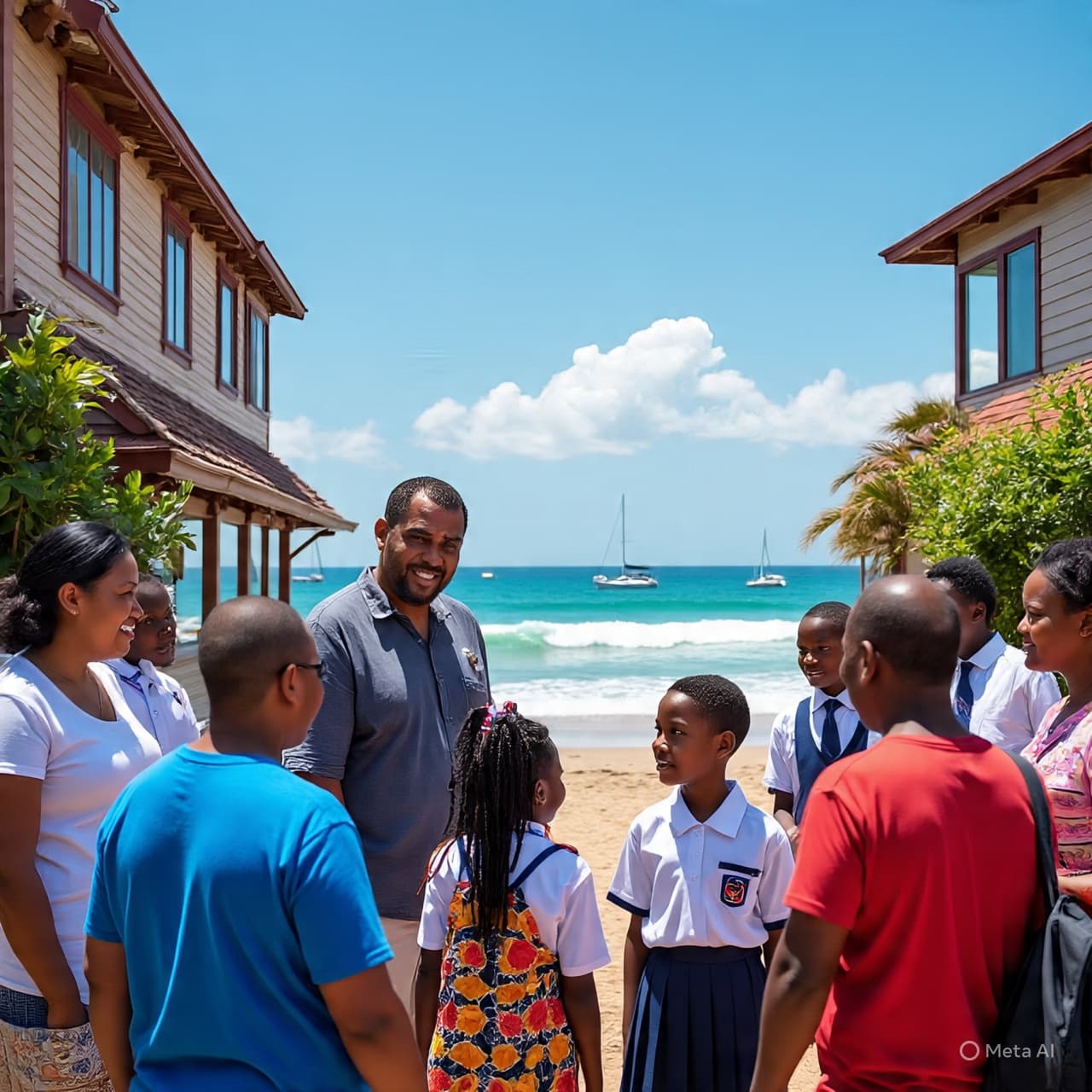
Among the first arrivals are individuals whose stories echo with both hope and heart—an ordained pastor who seeks to provide spiritual sustenance to his community in a new land, the nation’s first female forklift driver, and a dentist dedicated to healing not just bodies but bridges between cultures. These pioneers embody the rich diversity and resilience of a people undertaking a journey as much of spirit as of geography.
For these new residents, moving to cities such as Melbourne, Adelaide, Darwin, or even rural towns like Naracoorte offers more than economic opportunity; it promises continuity—an ability to preserve cultural traditions, support families, and maintain spiritual communities even as the sea reclaims what was once solid ground. Australian support services are being activated to assist families during this transition, helping them settle into new schools, workplaces, and neighborhoods.
Yet this relocation is bittersweet. It underscores a profound truth: climate change does not simply alter weather patterns—it reshapes lives, identities, and the very notion of home. For Tuvalu’s citizens, this program represents both sanctuary and an awakening to the profound global inequities of climate burden. While the program is capped annually to prevent a sudden exodus that might hollow out the tiny nation, many still regard it as a vital lifeline.
Tuvalu’s leaders and communities have voiced a desire to maintain cultural ties and ensure that moving does not mean leaving their heritage behind. Prime Minister Feleti Teo has emphasized that this migration pathway is about “mobility with dignity”—a framework where people can contribute to both their host community and, potentially, return home enriched by education, skills, and new perspectives.
As the world watches these first arrivals take their first steps on Australian soil, their journey offers a poignant reflection on the unfolding climate era. It is a story of faith and family, of loss and resilience, and of what it means to build a future when the present home can no longer be taken for granted. At this moment, Tuvaluans are not merely climate migrants—they are ambassadors of a shifting world, speaking not with lament alone, but with courage and creative hope.
AI Image Disclaimer “Visuals are created with AI tools and are not real photographs.”
Sources (Media Names Only) Reuters Yahoo News (Reuters content) The Guardian (on visa applications context)
Published by Banx Network. This article is part of the Banx decentralized media programme, powered by the BXE token on the XRP Ledger.