In the quiet sediment of an ancient lakebed, where wind once brushed reeds and volcanic ash settled like pale snow, a set of bones lay undisturbed for millions of years. Time pressed gently around them. Rivers shifted. Forests rose and fell. And in the layered hush of New Zealand’s deep past, a story waited.
Now, that story has stepped into the light.
Paleontologists studying fossil remains unearthed in Central Otago have identified a rare and previously unknown species of goose, one that is reshaping scientific understanding of early bird evolution in New Zealand. The discovery suggests that goose-like birds were present in the region far earlier than previously thought, adding new complexity to the country’s avian history.
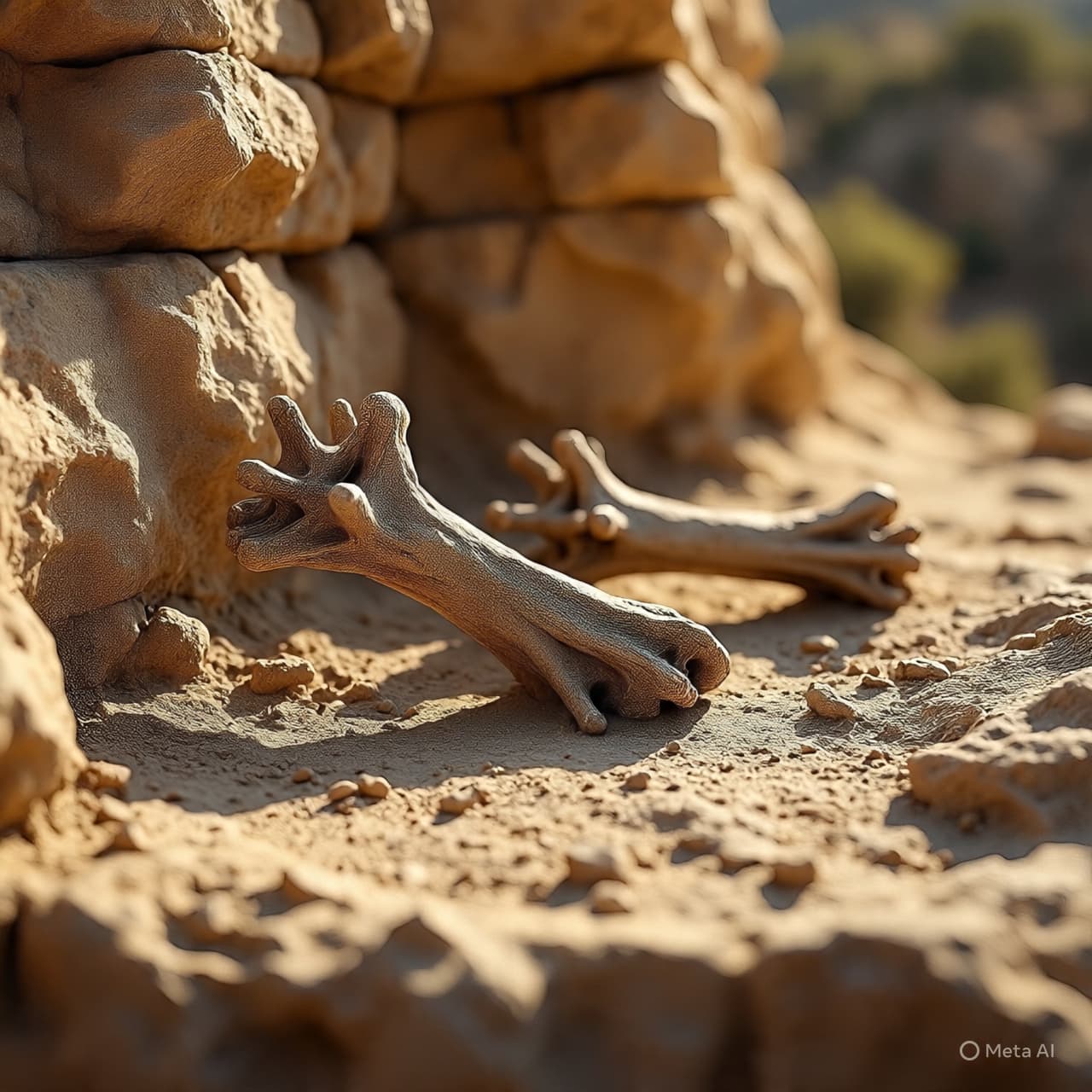
The fossil, recovered from sedimentary deposits dating back millions of years, includes well-preserved skeletal elements that allowed researchers to determine its distinct characteristics. Analysis indicates the bird belonged to an ancient lineage of waterfowl, offering evidence that diverse goose species once inhabited landscapes very different from those seen today.
New Zealand’s evolutionary story is already known for its singularity. Isolated for tens of millions of years after separating from the supercontinent Gondwana, the archipelago became a cradle for unusual avian forms. Without native land mammals, birds evolved to occupy ecological niches filled elsewhere by four-legged predators and grazers. From towering moa to the nocturnal kiwi, adaptation unfolded in extraordinary ways.
The newly described fossil goose adds another thread to that tapestry. Scientists say its anatomical features differ from modern geese, suggesting a branch of the waterfowl family tree that either vanished or evolved along a separate path. Subtle variations in bone structure — particularly in the limbs and skull — hint at behaviors and habitats not entirely mirrored by contemporary species.
The find also challenges earlier timelines that placed the arrival or diversification of certain waterfowl in New Zealand at a later period. Instead, the fossil indicates that complex avian ecosystems were taking shape much earlier, shaped by climate shifts, volcanic activity, and the gradual transformation of inland lakes and wetlands.
Central Otago’s fossil beds, long recognized as a treasure trove for paleontology, continue to reveal fragments of a warmer prehistoric era when subtropical vegetation thrived. Each discovery adds depth to a landscape that once echoed not with human footsteps but with the calls of unfamiliar birds.
For researchers, the goose fossil represents more than an isolated specimen. It provides calibration for evolutionary models and strengthens the argument that New Zealand’s avifauna developed through both ancient persistence and later waves of dispersal. It may also prompt renewed exploration in other sedimentary basins across the country.
There is a quiet poetry in such work. Scientists brushing soil from bone are, in effect, listening for echoes. The curve of a wing joint, the density of a femur — these become syllables in a narrative older than memory.
As laboratories refine their findings and formal classification proceeds, the fossil will take its place in museum collections and scientific literature. But its broader significance lingers beyond academic circles. It reminds us that the land beneath our feet holds chapters still unread.
In the stillness of that ancient lakebed, the goose once moved across water that no longer exists. Today, its rediscovery alters the map of time itself, gently redrawing the contours of New Zealand’s evolutionary past.
نُشر بواسطة Banx Network. هذا المقال جزء من برنامج الوسائط اللامركزية من Banx، مدعومًا برمز BXE على شبكة XRP Ledger.