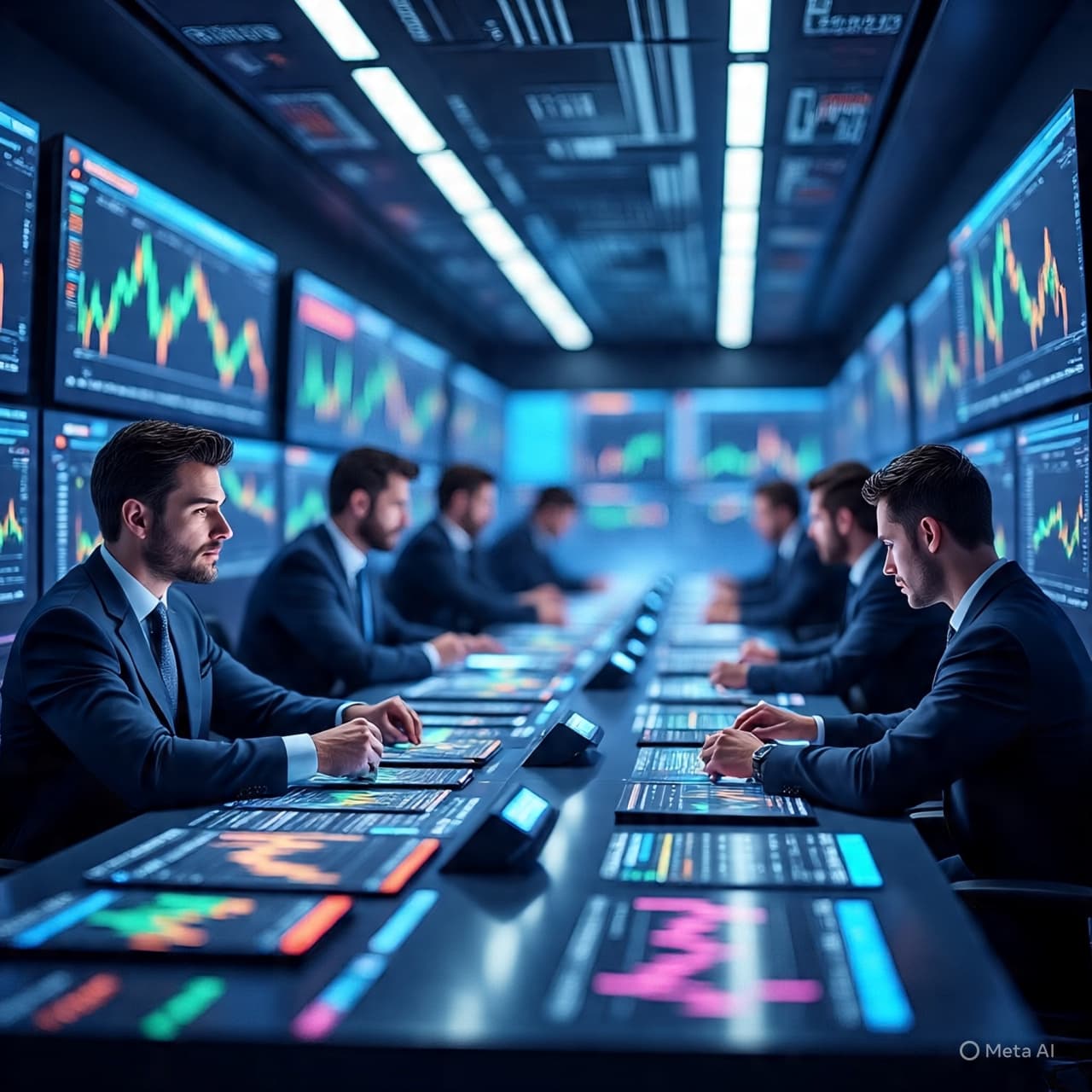
In 2025, artificial intelligence emerged as more than a technological buzzword — it became a defining force on Wall Street. From quant-driven trading strategies to corporate earnings analysis, AI tools reshaped how investors interpret data, evaluate risk, and execute decisions, effectively influencing the trajectory of U.S. equity markets throughout the year.
AI-powered models allowed traders to process massive datasets at unprecedented speed, providing insights that previously took teams of analysts weeks to uncover. Predictive algorithms guided sector allocations, optimized portfolio construction, and, in some cases, anticipated market reactions to economic indicators and corporate announcements. The result was a noticeable acceleration in trading efficiency, liquidity, and responsiveness, contributing to sustained gains across key indices.
Yet the influence of AI on markets raises questions about sustainability. Critics argue that reliance on machine-driven signals can exacerbate volatility, amplify momentum, and create feedback loops where human oversight is reduced. While 2025 demonstrated impressive returns, market participants now debate whether AI’s contribution is structural — transforming long-term investment dynamics — or cyclical, reflecting a temporary convergence of technology adoption and favorable economic conditions.
Looking ahead, several factors will determine AI’s continuing impact. Regulatory developments, particularly around transparency and algorithmic oversight, may shape adoption patterns. Technological improvements in natural language processing, predictive analytics, and risk modeling could further embed AI into trading frameworks. Meanwhile, human judgment and strategic oversight remain critical in interpreting AI outputs and mitigating unforeseen risks.
For investors, the lesson of 2025 is clear: AI is no longer ancillary. It is a central component of modern market behavior, capable of influencing both daily fluctuations and broader trends. Whether this influence will continue to propel Wall Street in 2026 will depend on how technology, regulation, and investor adaptation converge — a delicate balance between innovation and prudence that could define the next chapter of financial markets.
Published by Banx Network. This article is part of the Banx decentralized media programme, powered by the BXE token on the XRP Ledger.