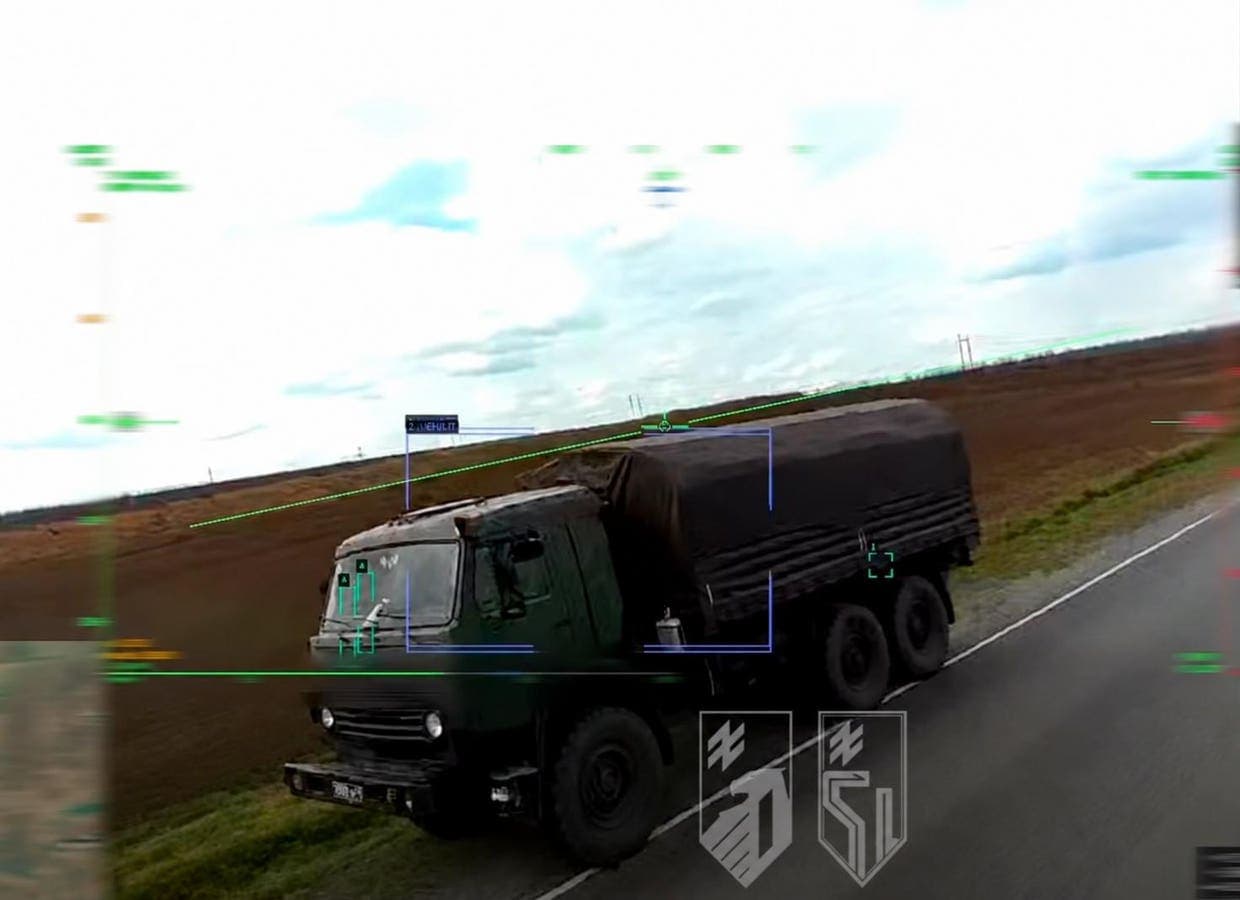
In response to the increasing prevalence of drone warfare, Ukraine is actively pursuing strategies to enhance its aerial defenses, combining advanced technology with traditional tactics. Facing significant challenges from enemy drones, the country's military is adapting rapidly to protect its skies. Utilizing Artificial Intelligence
One of the cornerstones of Ukraine's drone defense strategy is the incorporation of artificial intelligence (AI) technology. AI systems are being developed to detect, track, and analyze aerial threats in real-time, providing early warning and response capabilities. By leveraging machine learning algorithms, Ukrainian forces can quickly identify and counteract drone incursions, enhancing situational awareness on the battlefield. Conventional Arms and Innovative Solutions
In addition to high-tech solutions, Ukraine is also turning to more conventional methods to combat drone threats. Shotguns, often overlooked in modern warfare, are being employed for their cost-effectiveness and immediate availability. Military units are training personnel to use shotguns against low-flying drones, providing a straightforward and accessible option for neutralizing threats.
Moreover, the development of cheap interceptors—affordable drones capable of taking down enemy UAVs—has proven invaluable. These interceptors can be deployed en masse, allowing Ukrainian forces to engage multiple threats simultaneously without the financial burden associated with more sophisticated systems. Integrated Defense Network
Ukraine's approach involves creating an integrated defense network that combines AI, traditional weaponry, and interceptor technologies. This hybrid strategy not only diversifies the means of defense but also enhances resilience against varying types of drone threats, whether they be reconnaissance or attack drones. Conclusion
As Ukraine continues to face drone warfare challenges, its commitment to developing a comprehensive defense strategy reflects the evolving nature of modern conflict. By blending advanced technologies with conventional tactics, Ukraine aims to secure its airspace and protect its sovereignty amidst ongoing hostilities. This proactive approach serves as a model for other nations grappling with similar aerial threats in an increasingly complex battlefield environment.
Published by Banx Network. This article is part of the Banx decentralized media programme, powered by the BXE token on the XRP Ledger.