
Some events begin in a single place and seem destined to remain there, contained within a neighborhood, a city, or a grieving family. Others travel. They move outward like ripples across still water, gathering interpretations, arguments, and emotions as they go. What starts as a local tragedy becomes a national conversation, and then, unexpectedly, an international one.
In the southern English city of Southampton, the memory of one winter night continues to shape public discussion months later. The death of 18-year-old Henry Nowak has become the center of a debate extending far beyond the streets where the incident occurred, reaching government offices in London and Washington and drawing attention from political leaders, commentators, and citizens on both sides of the Atlantic.
The case has attracted scrutiny because of the circumstances surrounding Nowak’s death. He was fatally stabbed during an altercation in late 2025. The man convicted of the killing, Vickrum Digwa, was sentenced to life imprisonment earlier this week. Yet public attention has focused not only on the crime itself but also on the actions of responding police officers. Video footage released after the trial showed officers handcuffing Nowak while he was critically injured after receiving a false allegation that he had carried out a racist attack. The images prompted widespread concern and raised questions about how decisions were made during those critical moments.
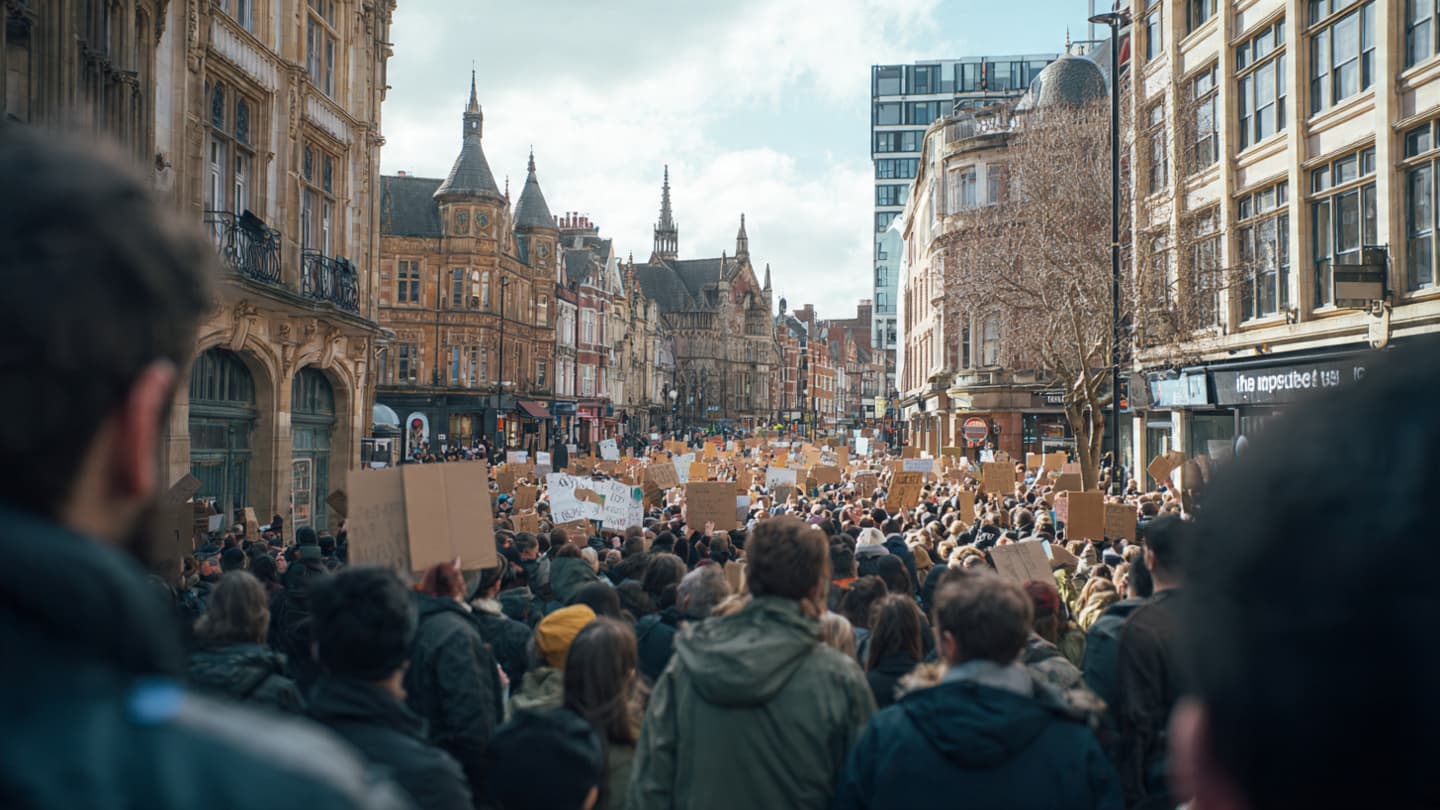
As the footage circulated, the story moved beyond the courtroom. Public protests emerged, political figures weighed in, and long-standing debates about policing and public trust resurfaced. Critics argued that the incident reflected deeper institutional problems, while others cautioned against drawing broad conclusions from a single case before ongoing investigations are completed.
Into this already charged atmosphere came an unusual diplomatic intervention. The U.S. State Department publicly criticized what it described as “ideological conditioning” and “two-tiered policing,” framing the case as evidence of a wider problem affecting Western societies. The statement also expressed condolences to Nowak’s family and the people of the United Kingdom.
The response from Britain was measured but firm. Prime Minister Keir Starmer acknowledged serious questions surrounding police conduct and noted that investigations remain underway. At the same time, he rejected efforts to use the tragedy to deepen social divisions. Deputy Prime Minister David Lammy similarly disputed characterizations of Britain as operating a racially biased or “two-tier” justice system.
The family at the center of the story has offered perhaps the most restrained voice of all. While describing the treatment of their son as inhumane and degrading, they have also urged that his death not become a vehicle for hatred or further division. Their words stand in contrast to the intensity of the wider political debate, reminding observers that behind every headline lies an absence that cannot be measured in speeches, investigations, or social media posts.
The controversy has also reopened broader discussions about police training, anti-racism policies, and public confidence in institutions. Police leaders have indicated that certain guidelines and procedures may be reviewed, while oversight bodies continue examining the officers’ actions. Those reviews may take months, yet the questions raised by the case have already become part of a larger conversation about fairness, perception, and accountability.
For now, the story remains unfinished. Investigations continue, political arguments persist, and public opinion remains divided. Yet beneath the diplomatic statements and competing interpretations rests a simpler reality: a young life ended, a family grieves, and two allied nations find themselves reflecting on the responsibilities carried by those entrusted with authority.
In that sense, the debate reaches beyond a single police response or a single political dispute. It becomes a reflection on trust itself—how it is built, how it is tested, and how, once shaken, it can echo far beyond the place where the story began.
AI Image Disclaimer Visual representations accompanying this article are AI-generated interpretations and should not be considered authentic photographic records.
Sources Reuters The Guardian The Times Associated Press Sky News
Note: This article was published on BanxChange.com and is powered by the BXE Token on the XRP Ledger. For the latest articles and news, please visit BanxChange.com