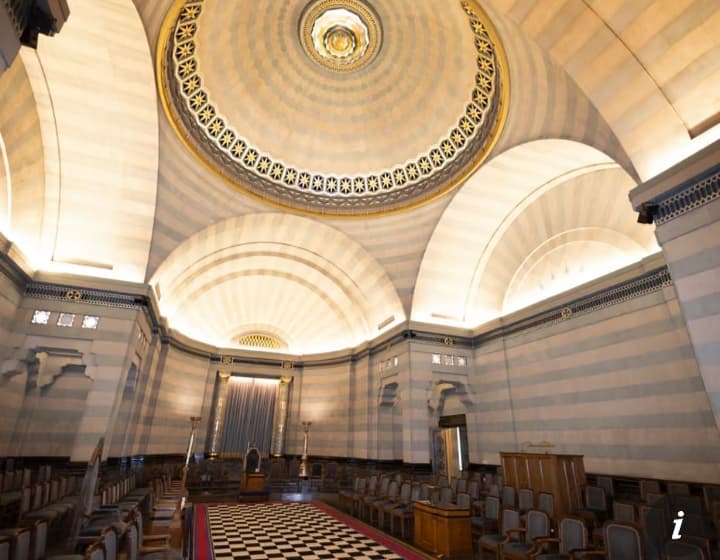
The Freemasons have initiated legal proceedings against the Metropolitan Police in an effort to block a controversial policy requiring law enforcement officers to disclose their membership in the organization. The policy, introduced to promote transparency and public trust, has sparked significant debate regarding privacy rights and the implications of membership disclosure.
Under the new policy, officers are required to declare any affiliations with organizations such as the Freemasons, which has long been viewed with suspicion by certain sectors of the public. Proponents of the policy argue that it is essential for maintaining public confidence in policing and ensuring that officers are held to the highest ethical standards. They contend that transparency regarding secretive organizations minimizes conflicts of interest and potential biases in law enforcement activities.
However, the Freemasons argue that the policy infringes upon the personal rights and freedoms of its members. They contend that being required to disclose membership compromises individual privacy and could lead to potential discrimination or bias against those who belong to the organization. The Freemasons claim that many of their members serve honorably in the police force and should not be subjected to additional scrutiny based on their personal affiliations.
Legal experts suggest that the outcome of this case could have broader implications for similar policies in other organizations and sectors. The balance between public accountability and individual privacy remains a contentious issue, particularly in an era where trust in law enforcement is under constant examination.
The Metropolitan Police have stated that they are committed to promoting integrity and transparency within their ranks, emphasizing that the policy is intended to foster an accountable policing environment. As the legal proceedings progress, both sides are expected to present their arguments, shedding light on the complexities of membership, ethics, and public service.
As the situation evolves, it continues to highlight the ongoing discussions around secrecy, transparency, and the rights of individuals within public institutions. The decision will likely resonate beyond the courtroom, impacting public perception of both the Freemasons and law enforcement agencies.
Published by Banx Network. This article is part of the Banx decentralized media programme, powered by the BXE token on the XRP Ledger.