

Key Highlights
- Arrest of Graham Linehan:The Irish comedy writer was detained in the UK following controversial online remarks.
- Free Speech Debate:Linehan's arrest has reignited discussions about the limits of free expression in Britain.
- Polarized Opinions:The incident has divided public opinion between advocates for trans rights and free speech defenders.
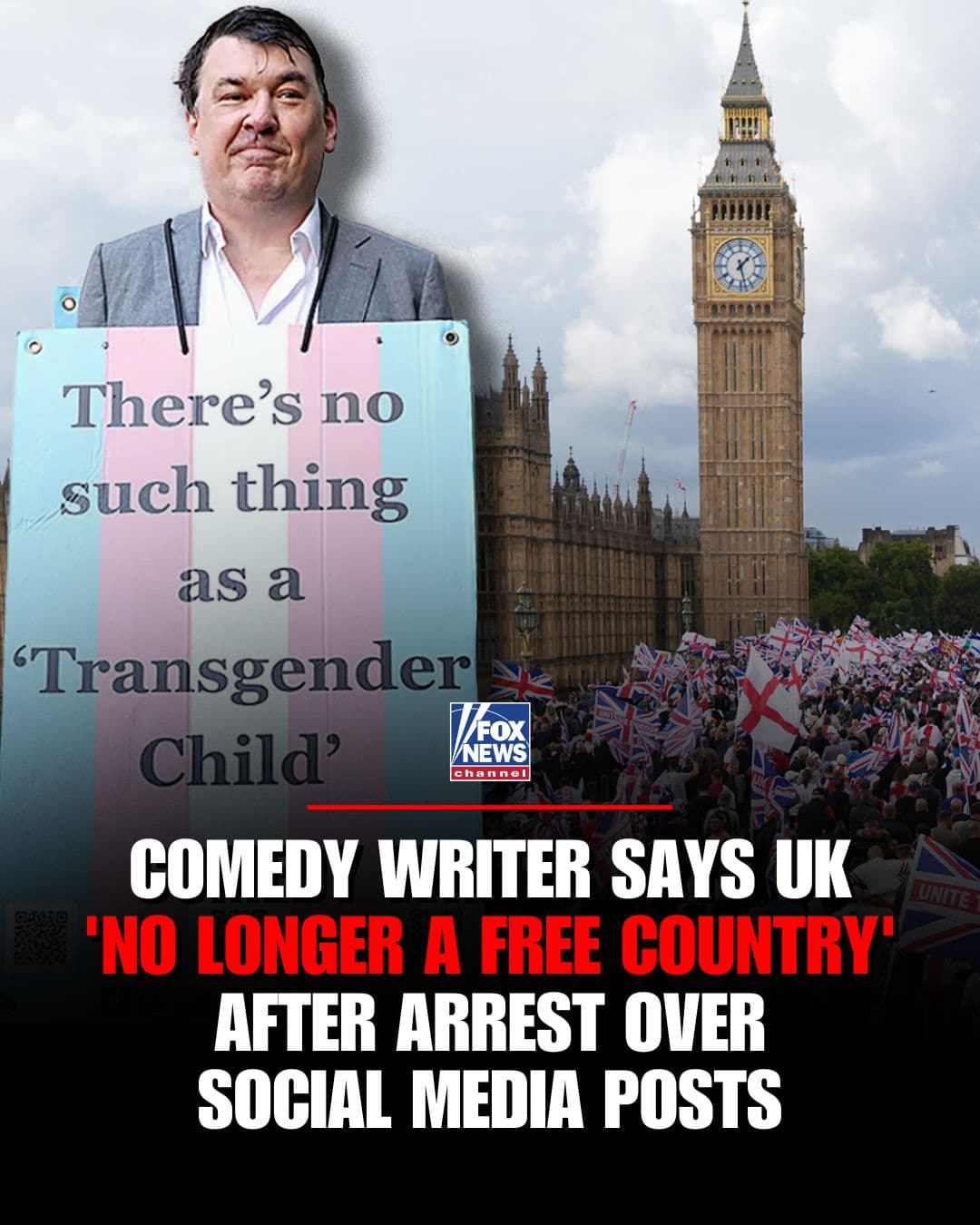
Graham Linehan, an Irish comedy writer known for his work on popular sitcoms, has found himself at the center of a heated debate over free speech following his recent arrest in the United Kingdom. Linehan claims that his detention is indicative of a broader issue regarding freedom of expression in the country, stating that it proves Britain is “no longer free.” His arrest stems from an online post where he made an anti-trans joke, which he argues has led to a chilling effect on political discourse.
In an interview, Linehan expressed his belief that his experience underscores a significant problem with free speech in the UK. “I think my case proves that there is a terrible free speech problem in the UK, but sadly, I've seen that happen now for eight years. They just want to put you in a cell and scare you into not talking about certain issues,” he remarked. This sentiment reflects a growing concern among some commentators that political correctness is stifling open dialogue.
Linehan contends that his arrest is not merely a matter of justice but rather an attempt to silence dissenting voices that challenge far-left ideologies. He emphasized, “They just want to intimidate you into silence,” suggesting that the criminalization of certain viewpoints is becoming increasingly prevalent. His comments have sparked outrage among various groups, with critics labeling his statements as harmful and offensive, while supporters argue they represent a legitimate exercise of free speech.
The controversy intensified after Linehan shared an image online that stated, “There’s no such thing as a transgender child.” This statement has drawn sharp criticism from advocates for trans rights, who argue that such rhetoric perpetuates discrimination and endangers vulnerable communities. Conversely, free speech advocates view Linehan's arrest as a troubling sign of diminishing liberties in the UK, warning that the government is overstepping its bounds by policing individual opinions.
This incident is not an isolated case; it reflects a broader trend in recent years where high-profile arrests and legal actions have raised questions about the extent of free speech in Britain. Linehan warns that if this trajectory continues, individuals may live in fear of prosecution for expressing unpopular views. The implications of this case extend beyond Linehan himself, as it has become emblematic of the ongoing struggle between protecting marginalized groups and preserving the right to free expression.
As tensions escalate, the case has evolved into a significant battleground for the future of freedom of expression in the UK. Whether viewed as a necessary safeguard against hate speech or as an infringement on personal liberties, Linehan's arrest has thrust Britain into the global spotlight, prompting critical discussions about the balance between rights, responsibilities, and the essence of personal freedoms in a democratic society.
Published by Banx Network. This article is part of the Banx decentralized media programme, powered by the BXE token on the XRP Ledger.




