
Key Highlights
- France has strengthened public health measures following a recent heatwave that resulted in excess deaths.
- Authorities are enhancing emergency procedures and awareness campaigns on heat-related illnesses.
- Coordination between healthcare providers and local governments is being improved to ensure better access to cooling centers.
In the wake of one of the hottest periods in recent history, France is taking significant steps to bolster public health measures aimed at protecting its most vulnerable populations during future heatwaves. The recent heatwave has raised alarms, leading national and regional authorities to review and enhance emergency procedures while expanding awareness campaigns focused on heat-related illnesses.
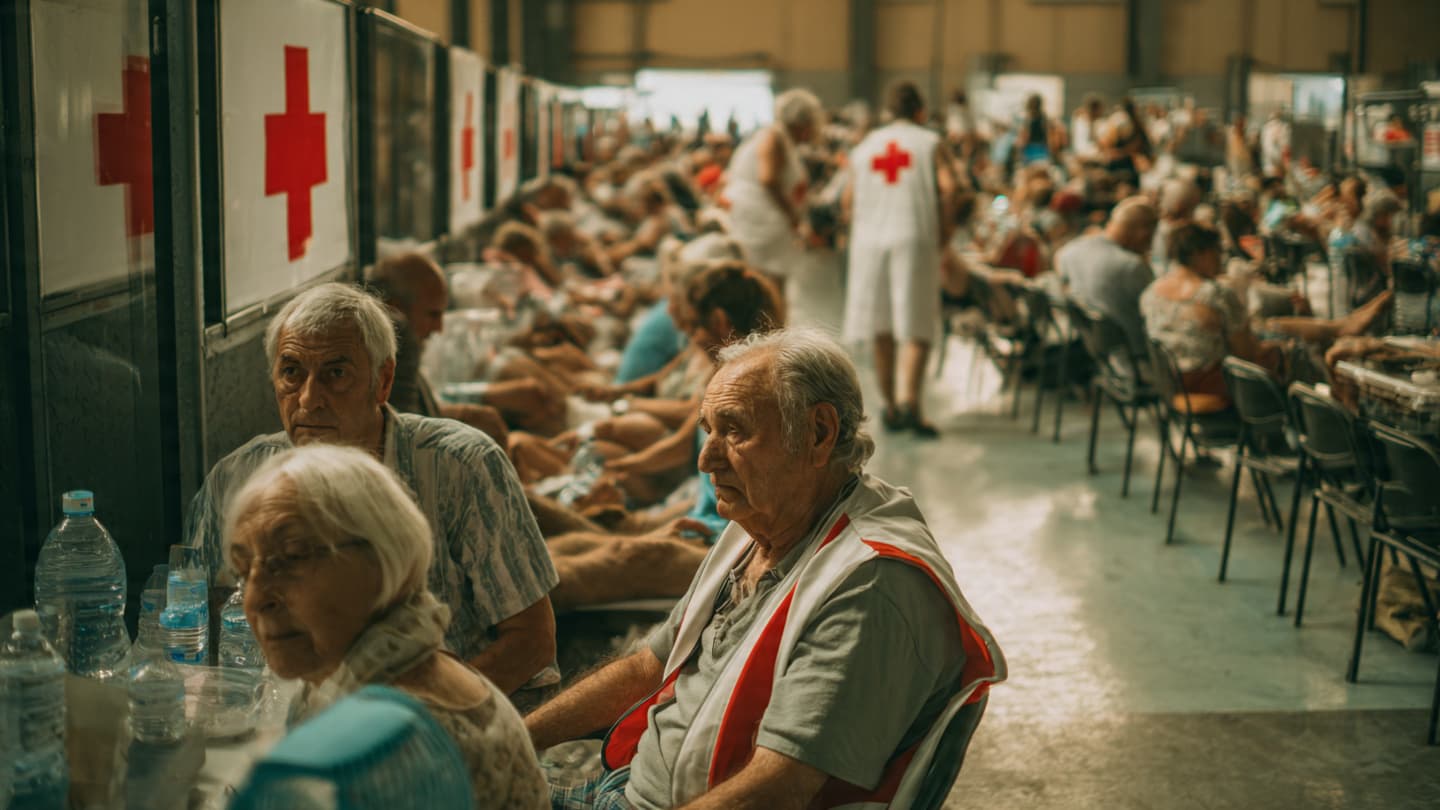
Healthcare providers across the country are increasing their coordination with local governments to improve early warning systems. This includes ensuring that cooling centers remain accessible during extreme temperature events, which are becoming more frequent due to climate change. Public information campaigns are actively encouraging citizens to stay hydrated, limit outdoor activities during peak heat hours, and conduct regular welfare checks on elderly residents who are particularly at risk during such weather conditions.
Experts in public health and climate science emphasize that climate adaptation efforts must extend beyond traditional environmental policies. They argue that effective healthcare planning, urban development, and community preparedness are crucial components of a comprehensive strategy to mitigate health risks associated with extreme weather events. The recent heatwave has underscored the urgent need for these measures, as the frequency and intensity of such events are projected to increase in the coming years.
Officials have stressed that protecting public health in the face of climate change requires a collaborative approach. This involves cooperation between various government agencies, healthcare professionals, and local communities. By working together, these stakeholders can ensure that future emergencies are managed more effectively, thereby reducing the potential health impacts on the population.
As France continues to adapt to the realities of climate change, the focus on public health measures will likely remain a priority. The government’s proactive stance aims to safeguard its citizens against the adverse effects of extreme weather, ensuring that vulnerable populations receive the support they need during critical times.
Published by Banx Network. This article is part of the Banx decentralized media programme, powered by the BXE token on the XRP Ledger.



