
Key Highlights
- Excess Deaths:France reports around 1,000 excess deaths during a severe heatwave.
- Vulnerable Populations:Elderly and chronically ill individuals are most affected.
- Government Response:Emergency measures include cooling centers and health advisories.
As France grapples with one of the most intense heatwaves in its recent history, public health officials have reported approximately 1,000 excess deaths attributed to the prolonged period of exceptionally high temperatures. This alarming statistic reflects provisional mortality data indicating deaths above the expected seasonal average, particularly impacting vulnerable populations.
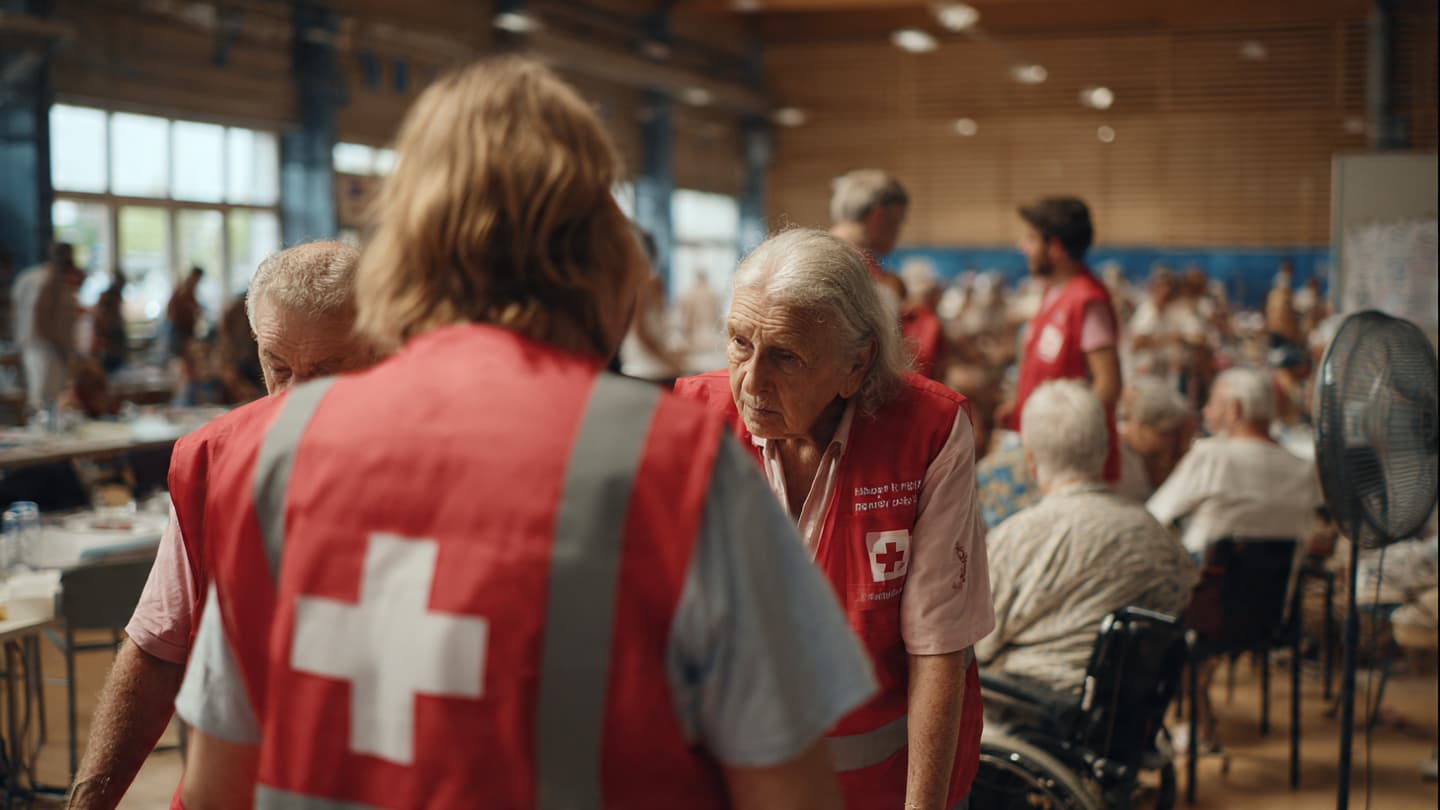
Health authorities have identified elderly individuals, those with chronic illnesses, and socially isolated residents as the most at risk during this extreme weather event. The heatwave has exacerbated existing health disparities, prompting urgent calls for enhanced public health measures to protect these groups. The government has been proactive in expanding emergency measures, including the establishment of cooling centers, issuing public health advisories, and conducting welfare checks on vulnerable citizens.
In response to the ongoing crisis, officials have emphasized the importance of coordinated action among healthcare providers, local governments, and community organizations. These efforts aim to mitigate the impact of extreme weather on public health and ensure that those most at risk receive the necessary support and resources.
The recent heatwave has also reignited discussions surrounding climate adaptation policies in France. As the nation prepares for increasingly frequent and severe weather events, experts are advocating for stronger measures to address the challenges posed by climate change. This includes investing in infrastructure improvements, enhancing public health systems, and implementing educational campaigns to raise awareness about the risks associated with extreme heat.
The tragic toll of this heatwave serves as a stark reminder of the urgent need for action to protect public health in the face of climate change. As temperatures continue to rise, the lessons learned from this event will be crucial in shaping future policies and responses to similar crises.
Published by Banx Network. This article is part of the Banx decentralized media programme, powered by the BXE token on the XRP Ledger.



