

Banx Media Platform logo
WORLDEuropeInternational OrganizationsHappening NowFeatured

France’s Most Intense Heatwave Ever: Le Monde Climate Expert Explains Why It Matters

Le Monde’s climate expert breaks down the weather patterns behind France’s record-breaking heatwave—why it became so intense, which regions were most exposed, how climate change raises the odds, and what the crisis means for health and long-term adaptation.

J

Janette Mike

EXPERIENCED
5 min read
5 Views
Credibility Score: 94/100
France’s Most Intense Heatwave Ever: Le Monde Climate Expert Explains Why It Matters

France has just endured its most intense heatwave ever, according to reporting that has drawn attention to both the meteorology and the growing role of climate change in making extreme heat more likely and more severe.

The climate expert explains that the key drivers are not only hotter air masses arriving over France, but also the way the atmosphere can “lock” patterns in place for days. When high-pressure systems persist and winds fail to clear heat and humidity away, temperatures rise further and the hottest conditions last longer than they otherwise would. In addition, the expert highlights that human-driven warming increases the baseline heat level, so a weather pattern that might have been rare in the past can produce record-breaking temperatures now.

Heat risk is also shaped by humidity, which increases heat stress even when thermometer readings look similar. The expert notes that urban areas often amplify heat through the urban heat island effect, while drought-strained soils and stressed vegetation can worsen local conditions by reducing natural cooling.

Beyond the immediate emergency, the expert stresses that the real challenge is reducing deaths and damage during future extremes. That includes rapid, targeted public health responses—heat-health alerts, cooling support for vulnerable people, and operational adjustments for work, schools, and public services—while also prioritizing long-term adaptation measures such as urban greening, cooler building materials, improved shelter access, and better heat planning.

Finally, the expert underscores that short-term forecasts are useful for managing daily risk, but the longer-term signal from both observations and climate research is clear: heatwaves in Europe are becoming more frequent and more intense, making adaptation and emission reductions both necessary.

Published by Banx Network. This article is part of the Banx decentralized media programme, powered by the BXE token on the XRP Ledger.
Decentralized Media

Powered by the XRP Ledger & BXE Token

This article is part of the XRP Ledger decentralized media ecosystem. Become an author, publish original content, and earn rewards through the BXE token.

Newsletter

Stay ahead of the news — and win free BXE every week

Subscribe for the latest news headlines and get automatically entered into our weekly BXE token giveaway.

No spam. Unsubscribe anytime.

Share this story

Help others stay informed about crypto news

Related articles

Keep exploring the latest stories.

View more
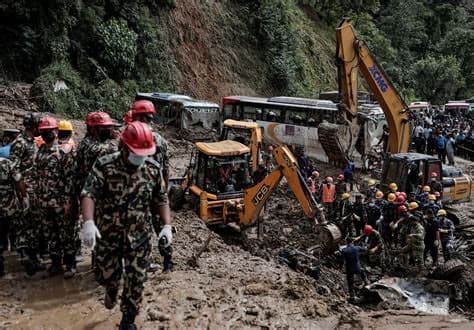
Deadly Flash Floods and Mudslides Cause Casualties in Nepal and China

Deadly Flash Floods and Mudslides Cause Casualties in Nepal and China

Flash floods and mudslides in Nepal and China have caused deaths, damaged infrastructure, and prompted emergency responses regionwide.

 Waiting for Verdict: The Enduring Mystery of Pan Am 103

Waiting for Verdict: The Enduring Mystery of Pan Am 103

The trial of Abu Agila Mas’ud for the Lockerbie bombing has been delayed after new evidence was discovered, marking another setback for victims' families.

Russia Reportedly Preparing to Intensify Strikes on Kyiv and Other Ukrainian Regions

Russia Reportedly Preparing to Intensify Strikes on Kyiv and Other Ukrainian Regions

Russia is reportedly preparing to intensify strikes on Kyiv and other Ukrainian regions, raising fears of attacks and civilian harm.