There is a particular kind of trembling that comes not from fear but from the recognition that the ground beneath one's feet is no longer stable. France trembled this weekend—not the government alone, though it did, but the entire edifice of a political order that has spent nearly a decade insisting it could hold the center. The flames that lit the skies over Paris, Lyon, and Marseille were not merely the work of rioters. They were the visible expression of a anger that had been accumulating for years.
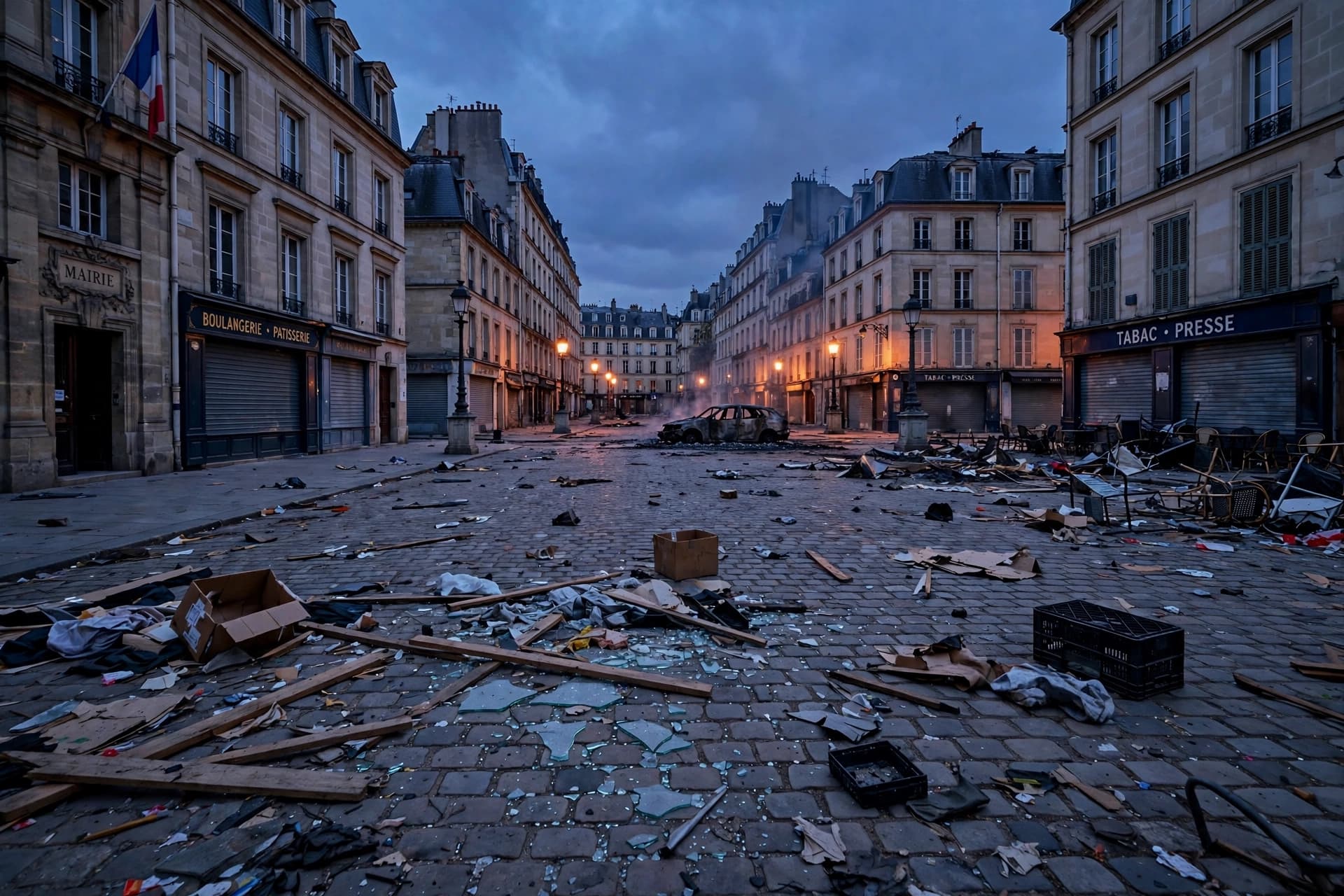
The immediate facts are stark. On Saturday, October 17, hundreds of thousands of people took to the streets across France to protest the rising cost of living and deteriorating conditions in schools. The Interior Ministry put the figure at 550,000; the CGT union said 800,000 . What began as peaceful marches descended, in cities across the country, into violence of what Prime Minister Sébastien Lecornu called "extreme intensity" . The historic town hall in Limoges was largely destroyed by fire. Protesters broke into and vandalized town halls in Marseille and Lille. A tourism office in Lyon was set ablaze. Shops were looted across Paris, Marseille, Nice, Nantes, Bordeaux, and Strasbourg .
By Sunday, the Interior Ministry reported more than 2,000 arrests and over 600 injured police officers and firefighters . A 17-year-old boy lost his hand to a crowd-control grenade in Saint-Etienne . One protester died of a heart attack during the march in Paris . The numbers are the arithmetic of a society in distress.
The phrase that has traveled furthest in international coverage comes from Ryad Rani, head of the LSU high school student representative body, who told journalists in Paris: "The government is trembling and it's right to tremble because when the French people are angry, they never let up" . The word "tremble" caught on because it captured something true. This was not a single grievance but a convergence: high school students who had been protesting for weeks over crumbling schools, joined by the Yellow Vest movement that first erupted eight years ago over fuel taxes, joined by workers and retirees and the merely exhausted . The cost of living, which worries around 45 percent of French people according to a recent survey, had become the common language of disparate discontents .
President Emmanuel Macron addressed the nation on Sunday night, condemning the violence and promising that those who "carried out vandalism, attacked administrative offices or businesses, or carried out looting" would be "prosecuted and punished" . He also acknowledged, in his way, the grievances beneath the anger. He asked the prime minister to convene meetings with political parties, unions, student organizations, and local officials to develop proposals . It was, as one observer noted, both a clenched fist and an outstretched hand .
But the political context makes the gesture feel belated. Macron cannot run again; his second term ends in six months, and the election to replace him is already casting its shadow. Marine Le Pen, the far-right candidate, blamed the violence on "rioters" and accused the far left of hijacking legitimate demands. Jean-Luc Mélenchon, her far-left rival, insisted that most demonstrations were peaceful and accused television news of amplifying images of violence . The politicians are already campaigning, even as the streets are still being swept.
The deeper question is not whether Macron will survive this crisis—he will, in the narrow sense that his term will end on schedule. The question is whether the political center he built, the "neither left nor right" project that promised to contain the extremes, can survive the recognition that it has failed to address the material conditions of ordinary life. The debt has risen. Public services have thinned. The young, who once voted for him, have turned away . The flames in Limoges were not a metaphor. They were a consequence.
Macron has promised a "detailed account and formal briefing" from officials on the ground, and he has asked for a report on how the security response could have failed so completely . Those reports will be written and read. But the anger that filled the streets this weekend will not be resolved by paperwork. The government may tremble, and it may be right to. What comes after the trembling is the question no report can answer.
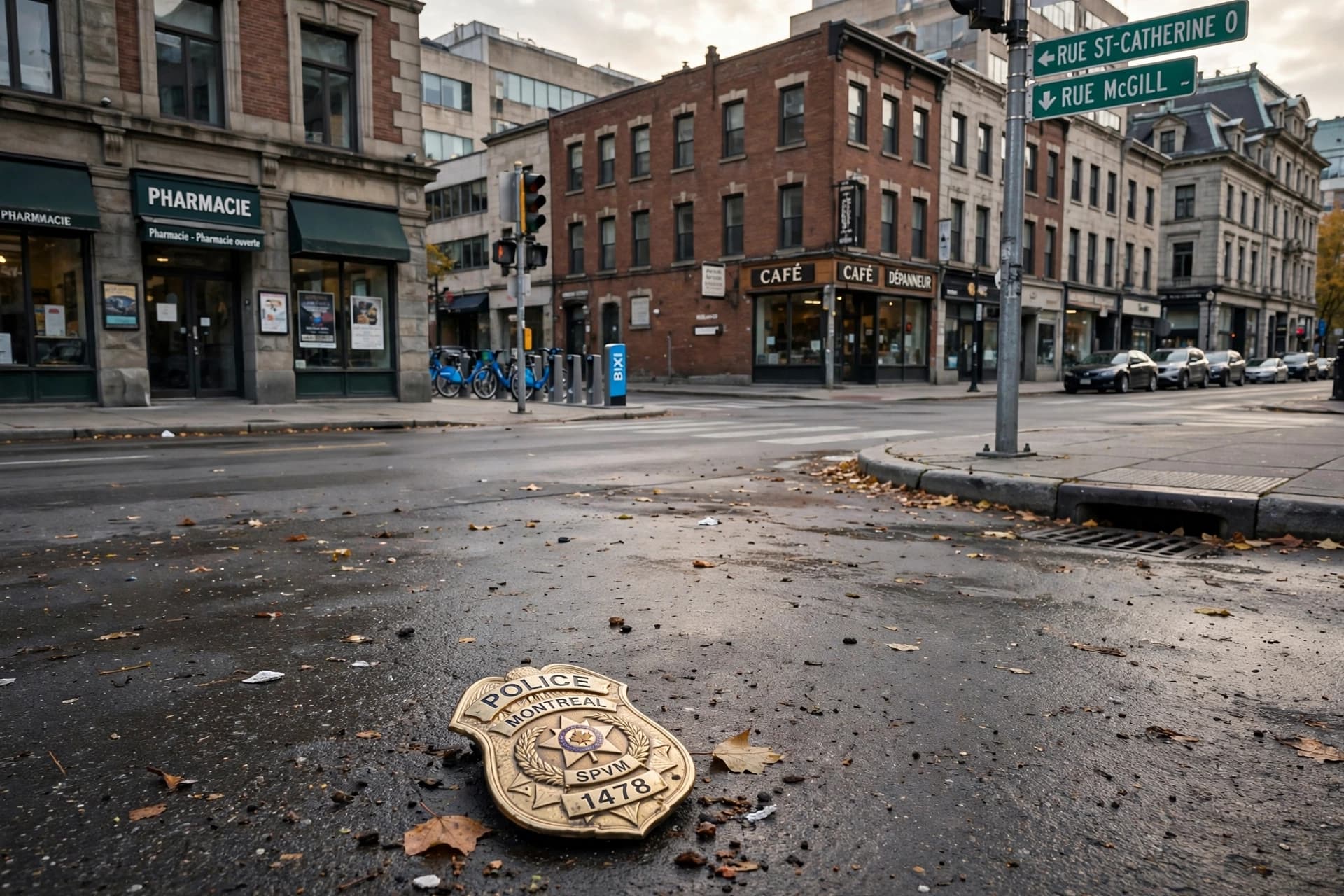
The imagery accompanying this report is generated by AI.
Sources: Le Monde, AFP, El País, Franceinfo, TV5Monde, PressTV, Mediafax, Naiz, The Guardian, The New York Times
Published by Banx Network. This article is part of the Banx decentralized media programme, powered by the BXE token on the XRP Ledger.