
Key Highlights
- Excess Deaths:France reports around 1,000 excess deaths during a historic heatwave.
- Health Risks:Vulnerable populations, including the elderly, are most affected by extreme temperatures.
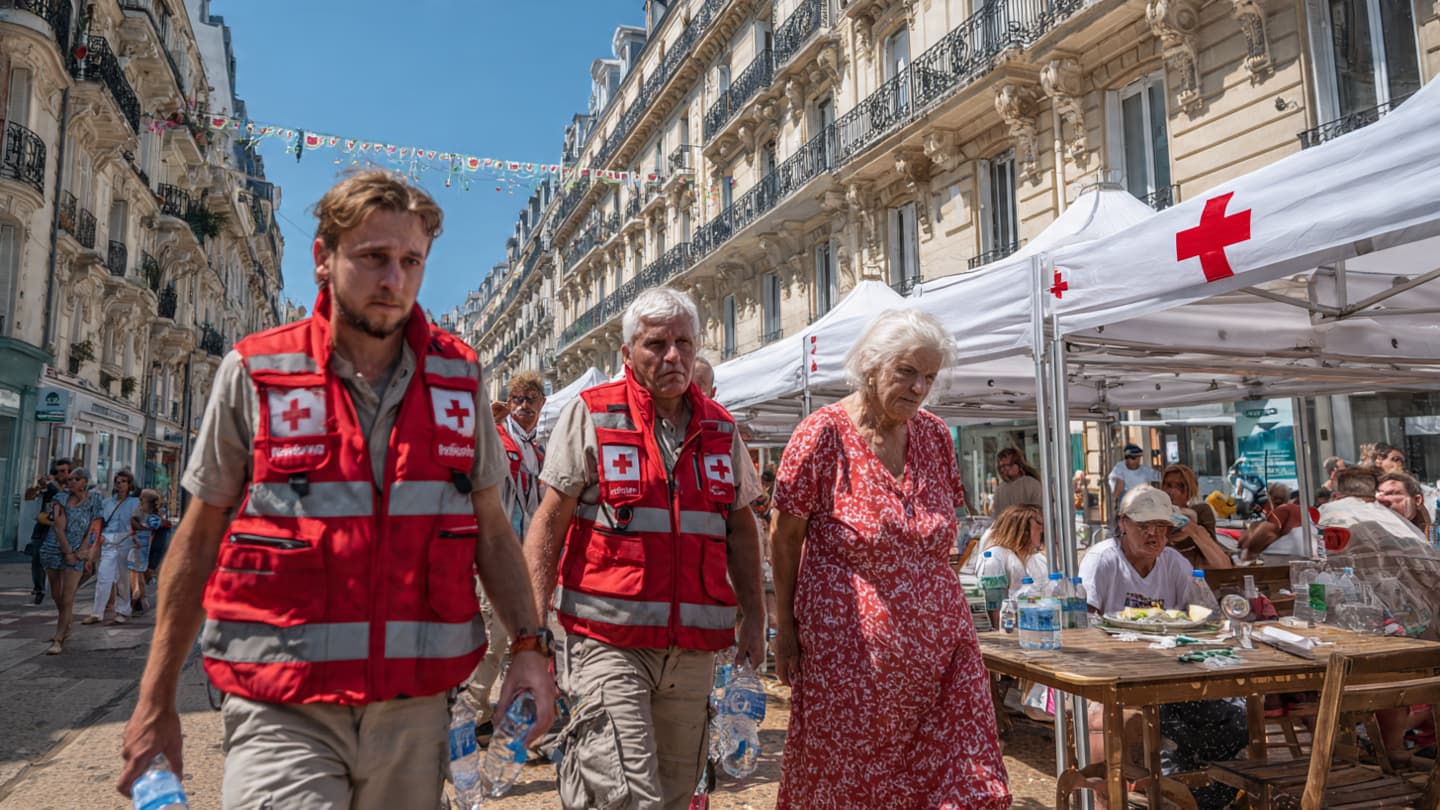
- Emergency Response:Authorities expanded cooling centers and urged residents to stay hydrated.
The summer of 2026 has become one of the most challenging in modern French history as prolonged extreme temperatures swept across much of the country. After several days of record-breaking heat, French authorities announced that approximately 1,000 excess deaths had been recorded during the period, underscoring the severe human impact of the climate event.
Health officials explained that "excess deaths" refer to fatalities exceeding the normal statistical average for the same period rather than deaths directly attributed to heat alone. The figures nevertheless illustrate how prolonged exposure to extreme temperatures can significantly increase health risks, particularly among elderly residents and people with chronic illnesses. According to the French National Institute of Statistics and Economic Studies, the heatwave has exacerbated existing health conditions, leading to a spike in mortality rates.
Hospitals, emergency responders, and local governments remained on high alert throughout the crisis. Cooling centers were expanded across affected regions while authorities urged residents to stay hydrated, avoid unnecessary outdoor activities, and regularly check on vulnerable neighbors and family members. The French Ministry of Health reported that emergency services experienced a significant increase in calls related to heat-related illnesses, further straining the healthcare system.
Climate researchers noted that Europe continues experiencing increasingly frequent and intense heatwaves. The European Centre for Medium-Range Weather Forecasts indicated that climate change is a driving factor behind these extreme weather events. French officials stated that future preparedness will require stronger healthcare systems, improved emergency planning, and greater investment in climate adaptation measures. They emphasized the need for a comprehensive strategy to mitigate the effects of climate change on public health.
As the summer progresses, the French government is expected to implement new policies aimed at enhancing public health resilience against extreme weather. This includes initiatives to improve urban infrastructure, increase green spaces, and promote community awareness about the risks associated with heatwaves. The tragic toll of this heatwave serves as a stark reminder of the urgent need for action in the face of climate change.
Published by Banx Network. This article is part of the Banx decentralized media programme, powered by the BXE token on the XRP Ledger.



