Science has always flourished through exchange. Ideas travel across borders, enriched by different perspectives and experiences. Recognizing this tradition, France is intensifying efforts to attract researchers from around the world, positioning itself as a destination for international scientific collaboration.
The initiative, promoted through programs such as "Choose Europe for Science," aims to encourage leading researchers to pursue careers and research opportunities in France and across Europe. Officials hope the effort will strengthen scientific excellence while fostering international partnerships.
French universities and research institutions have expanded funding opportunities, fellowship programs, and support mechanisms designed to make relocation more accessible for international scientists. These measures include grants, laboratory resources, and administrative assistance.
Policymakers argue that attracting global talent is increasingly important as scientific competition intensifies worldwide. Areas such as artificial intelligence, climate science, biotechnology, and advanced engineering have become strategic priorities for many nations.
Research institutions across France already host significant numbers of international scholars. Supporters of the initiative believe additional investment can further enhance collaboration and accelerate scientific progress.
Academic leaders note that scientific mobility often produces benefits extending beyond research itself. International collaboration can strengthen educational programs, foster innovation ecosystems, and create lasting professional networks.
The initiative also reflects broader European efforts to maintain competitiveness in research and development. European institutions have sought to emphasize openness, academic freedom, and international cooperation as distinguishing strengths.
Some experts caution that attracting talent requires more than financial incentives alone. Long-term success, they argue, depends on stable research funding, strong infrastructure, and supportive professional environments.
As global scientific challenges become increasingly interconnected, France's efforts highlight the continuing importance of international collaboration. In science, borders may define geography, but discovery often advances through shared knowledge.
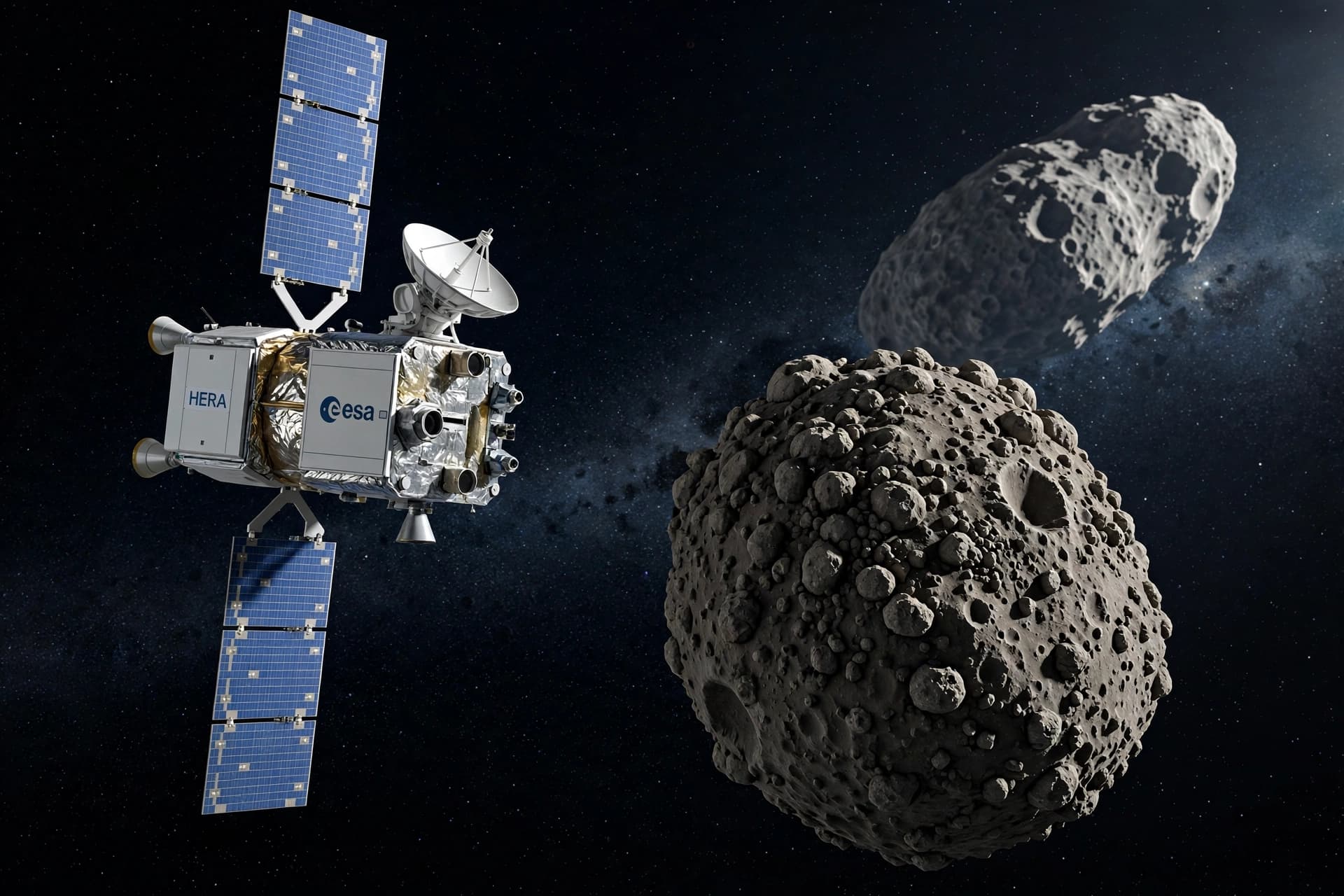
AI Image Disclaimer: The images accompanying this article are AI-generated visual representations intended to complement the reporting.
Sources Verified: Campus France, Reuters, Nature, Science Business, AFP
Published by Banx Network. This article is part of the Banx decentralized media programme, powered by the BXE token on the XRP Ledger.