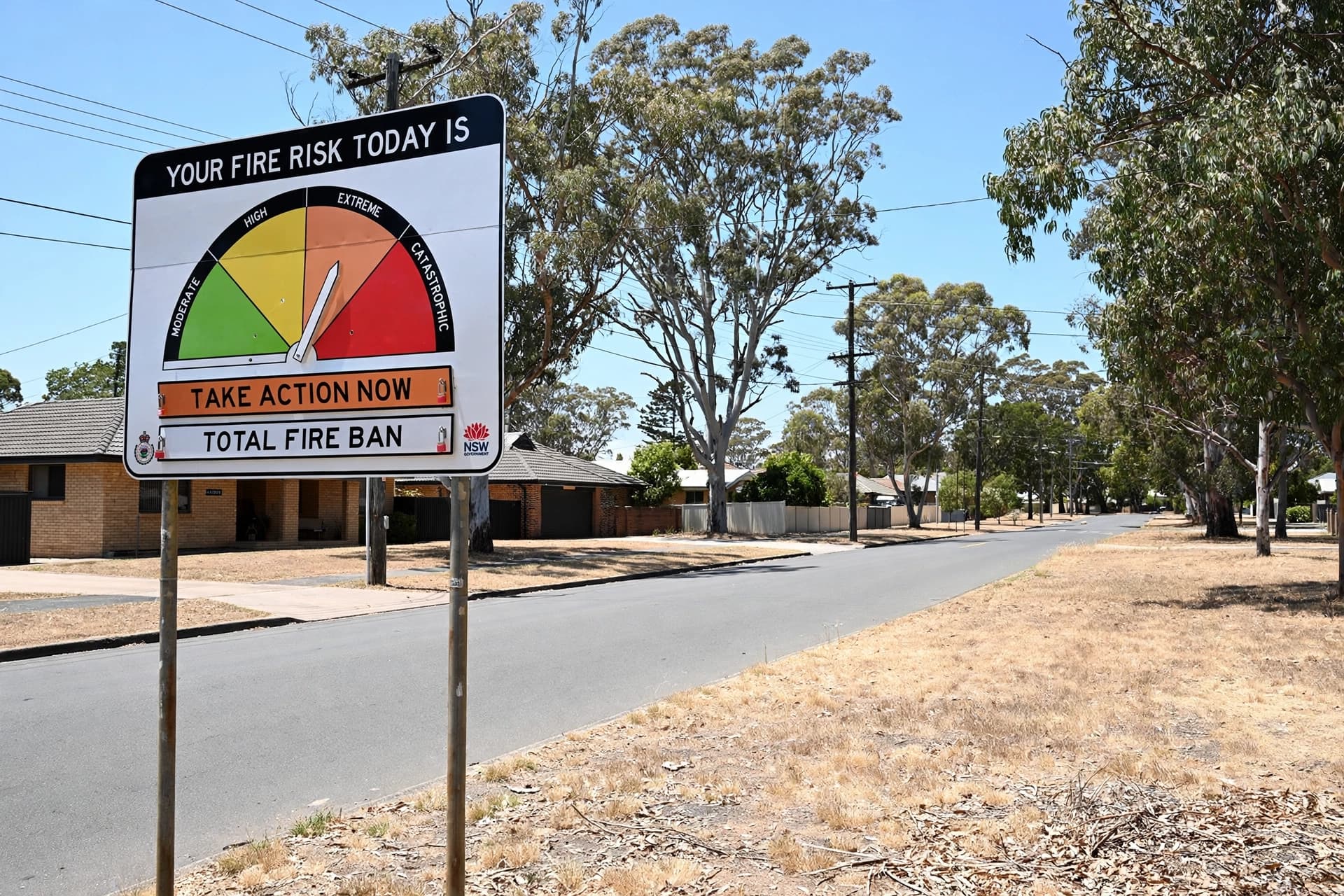
Summer in France is traditionally a time of leisure and light, characterized by long days and vibrant outdoor life. However, recent weeks have brought a different kind of intensity, as historic heatwaves swept across the nation, leaving a tragic toll in their wake. Official data reveals that more than 7,300 excess deaths occurred during this period, a stark reminder of the lethal power of rising temperatures and the vulnerability of human health in the face of climate change.
The term "excess deaths" refers to the number of fatalities above what would be expected under normal weather conditions. In this case, the surge was driven primarily by extreme heat, which disproportionately affects the elderly, those with pre-existing conditions, and individuals lacking access to cooling resources. The statistics, compiled by national health agencies, paint a sobering picture of a public health crisis unfolding under the sun.
France has experienced severe heatwaves before, notably in 2003, which led to significant reforms in emergency response and care for the elderly. Yet, despite these improvements, the current numbers suggest that existing measures are insufficient against the increasing frequency and intensity of extreme weather events. The heat is no longer an anomaly; it is becoming a recurring feature of the French summer, challenging the resilience of healthcare systems and social services.
The impact was felt most acutely in urban areas, where the "heat island" effect amplifies temperatures. Concrete and asphalt absorb and radiate heat, making cities significantly warmer than surrounding rural areas. For residents in densely populated neighborhoods, finding relief became a daily struggle. Air conditioning, once a luxury, is increasingly seen as a necessity, yet many households cannot afford it, highlighting issues of energy poverty and inequality.
Health officials have urged the public to stay hydrated, avoid strenuous activity during peak hours, and check on vulnerable neighbors. Community centers opened as cooling stations, providing refuge for those without adequate home environments. These efforts, while vital, are reactive measures in a situation that requires long-term structural adaptation. The focus must shift from emergency response to preventive infrastructure and urban planning.
The psychological toll of the heatwave should not be underestimated. Prolonged exposure to high temperatures can lead to sleep deprivation, irritability, and mental stress. For many, the inability to escape the heat creates a sense of confinement and helplessness. This emotional burden adds another layer to the physical suffering, affecting overall well-being and quality of life.
As the temperatures finally begin to drop, the nation is left to reckon with the loss. Each number represents a life cut short, a family grieving, and a community diminished. The data serves as a call to action, urging policymakers to prioritize climate adaptation strategies. This includes green spaces, reflective building materials, and robust social support networks for the vulnerable.
The story of these 7,300 deaths is not just a statistical anomaly; it is a warning. It underscores the urgent need to address the root causes of climate change and to build societies that are resilient to its effects. For France, and indeed the world, the heat is a teacher, offering harsh lessons that must be learned before the next summer arrives.
AI Image Disclaimer: Visuals in this article are AI-generated illustrations of urban environments and abstract representations of temperature data, designed to visualize the theme of heat impact without depicting real victims or proprietary medical records.
Sources: France Info, Le Monde, Reuters, Santé Publique France
Published by Banx Network. This article is part of the Banx decentralized media programme, powered by the BXE token on the XRP Ledger.