In the intricate web of Middle Eastern geopolitics, where energy security and regional influence are deeply intertwined, a recent disruption has sent ripples of concern across global markets. A key Saudi oil pipeline was forced to shut down following an attack that authorities have attributed to Iran-backed militias operating from within Iraq. This incident underscores the fragility of critical infrastructure in a region long marked by proxy conflicts and shifting alliances.
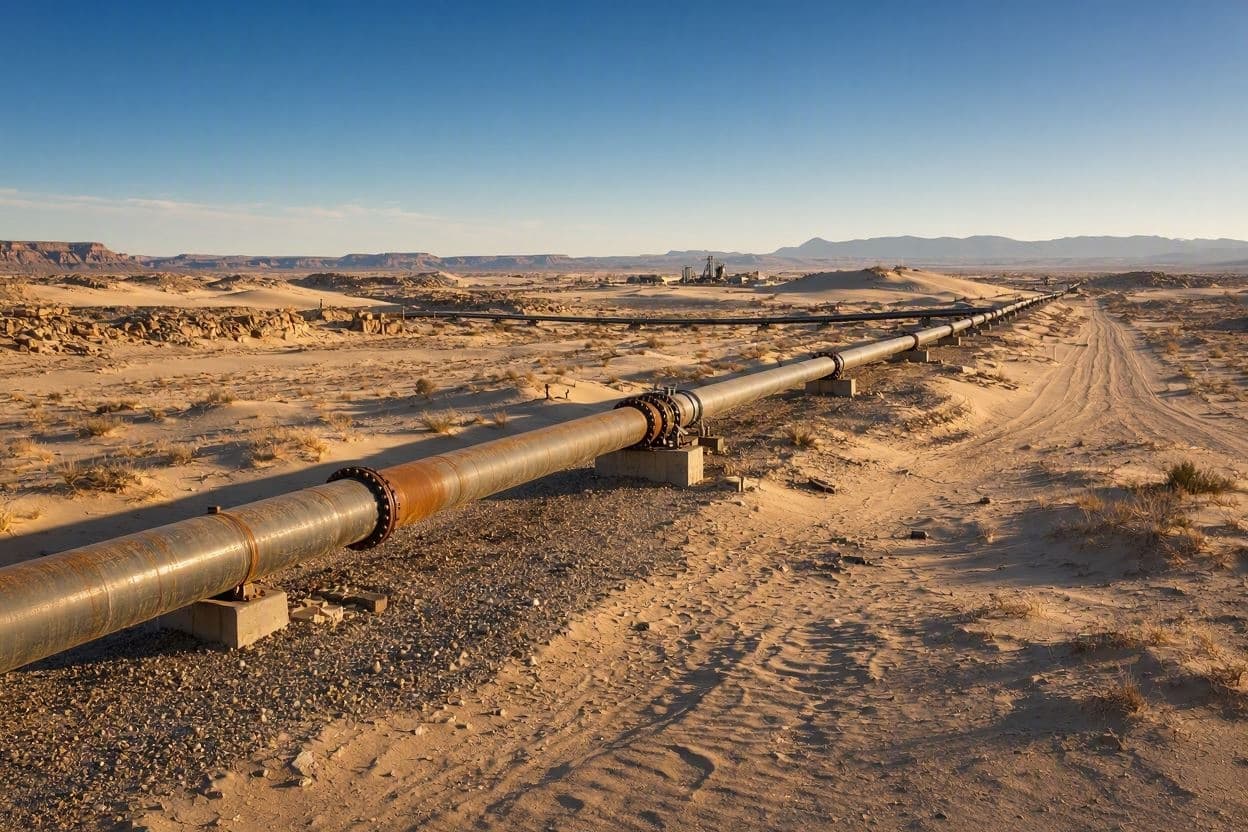
The East-West Pipeline, a vital artery for Saudi Arabia’s oil exports, allows the kingdom to bypass the Strait of Hormuz, a chokepoint often vulnerable to tension. Its temporary closure highlights the strategic vulnerabilities that persist despite years of investment in security and diversification. For Riyadh, the attack is not just an economic inconvenience but a direct challenge to its sovereignty and stability, raising questions about the reach of hostile actors across borders.
Iraq’s government finds itself in a delicate position, racing to contain the diplomatic fallout. While Baghdad has condemned the attack, it also faces the complex reality of powerful militia groups that operate with significant autonomy. These factions, often aligned with Tehran, have historically used Iraqi territory as a launchpad for regional operations, complicating efforts to maintain national sovereignty and foster good relations with neighbors like Saudi Arabia.
The accusation against Iran-backed militias adds another layer to the ongoing tensions between Tehran and Riyadh. Although the two regional powers have engaged in diplomatic rapprochement in recent years, underlying rivalries remain. Such incidents serve as reminders that peace processes are fragile and can be undermined by non-state actors who may have their own agendas, independent of official state policies.
Global energy markets reacted with caution to the news, though prices remained relatively stable due to adequate reserves and alternative supply routes. Nevertheless, the threat of further disruptions keeps traders and policymakers on edge. The reliability of oil supplies from the Gulf is crucial for the global economy, and any interruption serves as a stark reminder of the interconnectedness of energy security and geopolitical stability.
Efforts to de-escalate the situation involve intense diplomatic engagement. Saudi and Iraqi officials are likely coordinating to address security concerns and prevent future incidents. For Iraq, demonstrating control over its territory and preventing its use for attacks on neighbors is essential for its own international standing and internal stability. It is a test of the central government’s authority and its ability to balance diverse internal and external pressures.
As investigations continue, the focus remains on restoring full operational capacity to the pipeline and ensuring the safety of regional infrastructure. The incident serves as a sobering lesson in the persistent challenges of maintaining peace in a volatile region. For the global community, it highlights the need for continued dialogue and cooperation to safeguard the energy lifelines that power modern society.
AI Image Disclaimer: The visual representations in this article are AI-generated illustrations designed to convey the context of regional infrastructure and geopolitical dynamics.
Sources: AP News, ABC News, The Washington Institute
Published by Banx Network. This article is part of the Banx decentralized media programme, powered by the BXE token on the XRP Ledger.