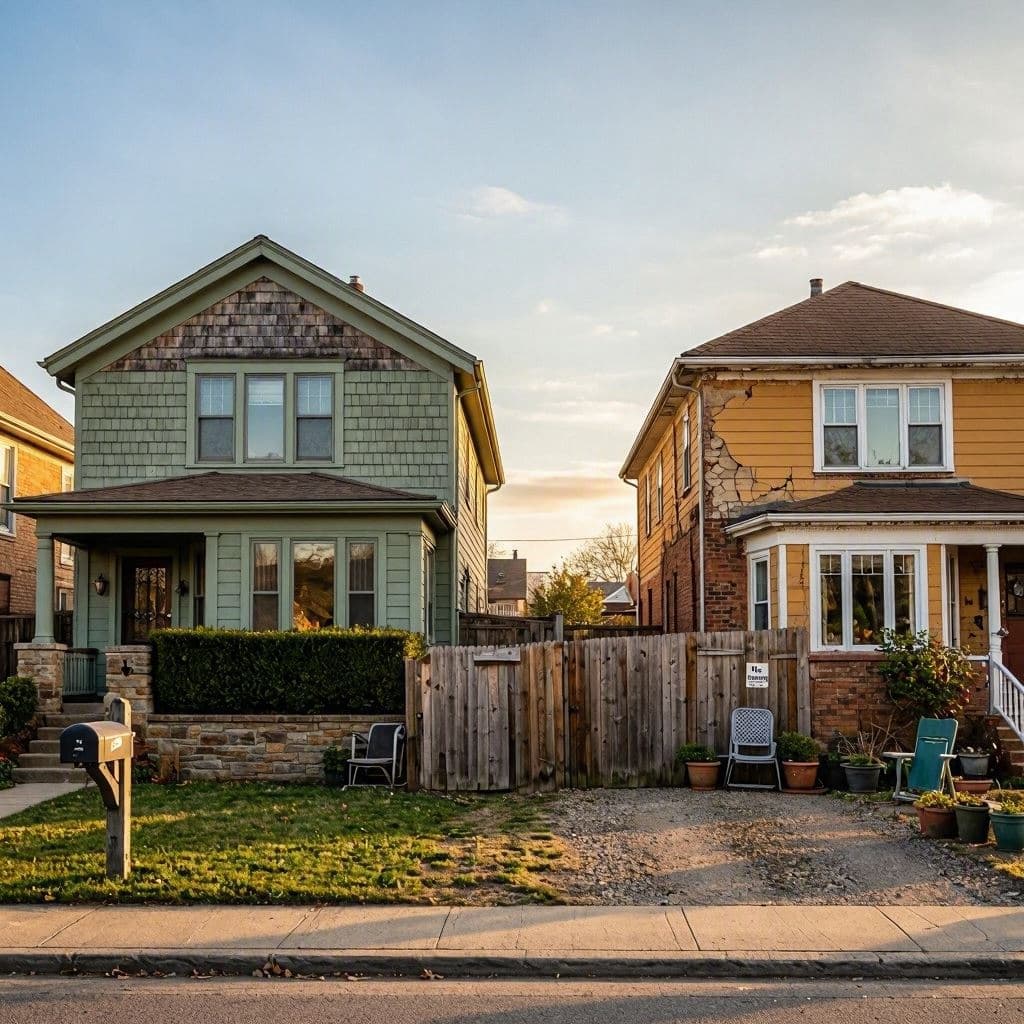
In the quiet suburbs where fences once marked property lines rather than ideological boundaries, a new tension has taken root. Following the tragic assassination of conservative activist Charlie Kirk, communities across the nation have witnessed a surge in interpersonal conflict, with neighbors accusing one another of complicity or hostility. This wave of "doxing" and suspicion has transformed local relationships, raising difficult questions about whether the political divide has become too deep to bridge.
The incident has acted as a catalyst, exposing underlying fractures in social cohesion. In some neighborhoods, online rumors have led to real-world confrontations, with individuals facing harassment based on perceived political affiliations. The anonymity of the internet has emboldened some to share private information, turning personal grievances into public spectacles. This behavior, fueled by grief and anger, has created an atmosphere of fear and mistrust among people who once shared communal spaces.
For many, the loss of Charlie Kirk was not just a political event but a personal shock that heightened emotions. In the aftermath, the desire for justice sometimes morphed into a hunt for scapegoats, with innocent individuals caught in the crossfire. Community leaders have urged calm, emphasizing that violence and harassment only deepen the wounds. Yet, the impulse to assign blame remains strong, reflecting a broader societal struggle to process trauma in a polarized environment.
The phenomenon of neighbor turning on neighbor is not new, but its intensity in the digital age is unprecedented. Social media platforms amplify voices, often without context, leading to rapid escalation of conflicts. What begins as a comment online can quickly spiral into real-life threats, disrupting the peace of entire communities. This dynamic challenges the traditional notion of neighborhood as a place of mutual support and safety.
Efforts to heal these divisions are underway, with local groups organizing dialogues and vigils to promote unity. These initiatives aim to remind residents of their shared humanity, beyond political labels. However, the path to reconciliation is long and requires a willingness to listen and empathize. It demands that individuals step back from the edge of outrage and engage in constructive conversation, even when it is difficult.
The question of whether this divide is permanent remains open. Some sociologists argue that such periods of intense polarization are cyclical, eventually giving way to renewed cooperation. Others worry that the erosion of trust may have lasting effects on civic engagement and community well-being. The outcome will depend largely on how individuals choose to respond to the current crisis, whether with continued hostility or with a commitment to repair.
As communities navigate this challenging time, the focus must remain on fostering respect and understanding. The tragedy of Charlie Kirk’s death should serve as a call to protect the fabric of society, not tear it further apart. By choosing dialogue over division, neighbors can begin to rebuild the connections that make communities strong. In the end, the choice is ours: to let the divide define us, or to rise above it.
AI Image Disclaimer: The images used in this report are AI-generated visuals created to illustrate the themes of community tension and political discourse.
Sources: NPR, North Country Public Radio, The Hill
Published by Banx Network. This article is part of the Banx decentralized media programme, powered by the BXE token on the XRP Ledger.